

Our duty as healthcare workers is to protect health. The climate crisis threatens the very foundations that our health depends on.
Doctors should be seeing patients, not protesting coal exports, right?
Nurses should be bandaging wounds and vaccinating children, not blockading the Port of Newcastle. The place where physios and dietitians belong is beside the clients who need them.
Well, we are there, in the ED, by our patients’ hospital bedside, in the GP clinics and local health centres. We’re checking blood pressure, treating diabetes, screening for cancer, immunising for flu. We’re listening to our patients’ fears, comforting them after the funeral, supporting them to get back to work. We go to work every day because we care about the health and futures of our communities.
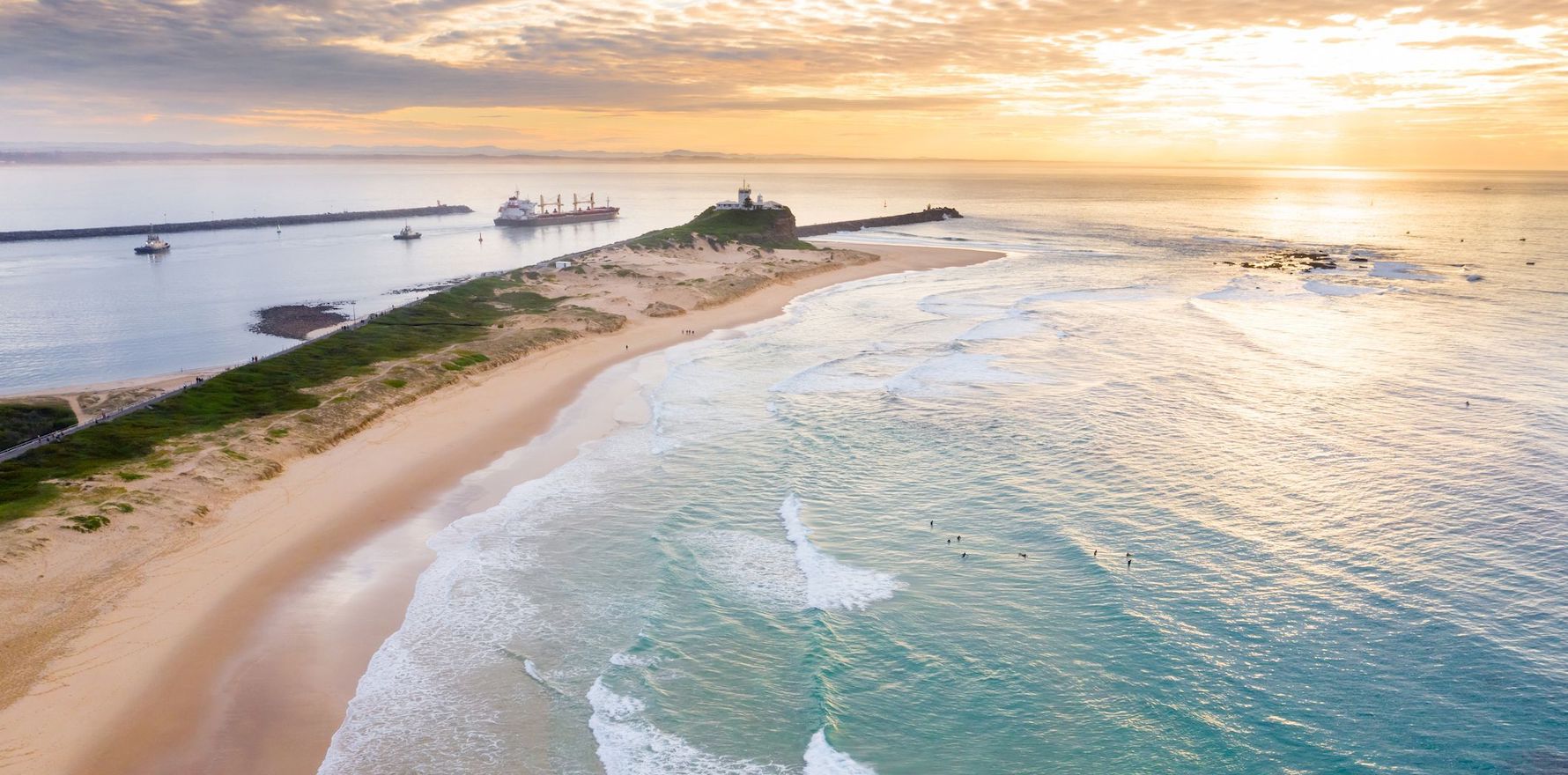
In the last days of November this year, some of us stepped out of the wards and paddled into the waves to blockade the Port of Newcastle. We joined Rising Tide along with over 8000 other Australians, to protest the ongoing export of fossil fuels.
We already see the impacts of climate change in our daily work.
The rising numbers of people presenting to ED with respiratory distress, cardiac emergencies and heat stroke as bushfires, heatwaves, air pollution and unstable weather worsens; the grief and trauma our communities face after more floods and fires; the anxiety our young patients carry as they face an increasingly bleak future, their fear about whether they can risk becoming parents.
We were on the beach and on the water, participating in peaceful civil disobedience, because we are health care workers. We know that climate change is the greatest global health threat of our century.
We know that fossil fuels are health hazards not just in terms of climate change, but also in being the largest source of air pollution which kills more people globally than smoking. We spoke up about the health impacts of smoking, of asbestos, of excess alcohol, of driving without seatbelts. We cannot remain silent about the even greater health risks of climate change and a warming world.
We watch as leaders fail to make the deep cuts in carbon emissions we know are required to prevent catastrophic tipping points. We watch as our governments continue to allow new coal and gas projects despite evidence of harm. Australia is now the third largest global exporter of fossil fuels.
As health professionals we have a duty to speak and act, to reduce harm to human health and livelihoods.
As Newcastle neurologist Professor Peter Schofield said when arrested in the 2024 blockade: “Our current governments are committing ecological malpractice by failing to plan for the dramatic reductions in coal production and export that the evidence would mandate, and by failing to adequately fund transitions to alternative energy…(leaving) workers in the (Hunter) valley to fend for themselves.”
As Dr Elen O’Donnell, a rural doctor working in aeromedical retrieval, who was arrested in Newcastle last year, said: “I see the increased death and disease of First Nations people in Central Australia due to increasingly severe heat.
“I see young people paralysed with anxiety about the world they are going to inherit. Last year in Tuvalu I looked after people whose country will likely be underwater within my lifetime. Our food production systems are falling apart, and we will be facing climate refugees on a massive scale.”
Related


Our duty as healthcare workers is to protect health.
There are many ways we can act on the dire threat of climate change, from research to education, to everyday practices in our clinics and hospitals to reduce our healthcare carbon footprint. In this time of climate crisis, many of us believe more drastic action is both legitimate and necessary.
The climate crisis threatens the very foundations that our health depends on.
Our leaders and fossil fuel companies are failing to act with the urgency required, and the window of opportunity to cut emissions and avert the worst of climate catastrophe is rapidly closing. Now is the time for all of us to stand up in whatever way we can, for a liveable future.
Dr Joo-Inn Chew is a Canberra GP working exclusively as a psychological medicine specialist, offering therapy and mental health consultations. In her spare time she enjoys writing and getting around by bike.
