

Researchers have ranked the most common allergens, and those which elicit the most severe reactions, across 192 individual foods in 14 unique groups.
As the human diet has evolved and expanded, it appears our sensitivities have too.
A new study has identified nearly 200 foods which caused allergic symptoms in adults. Plant-based foods topped the rankings in both frequency and severity, while egg, cow’s milk and soy barely got an honourable mention.
The researchers analysed data from 1085 patients who attended the allergology outpatient clinic of the University Medical Centre Utrecht in the Netherlands.
Patients attended between 2018 and 2023 with reported symptoms of food allergy (FA) within two hours of ingestion. They were excluded if the causative food could not be determined.
Participants were split into two groups: probable FA (symptoms and sensitisation, 67%) and possible FA (symptoms, no sensitisation data available, 33%). They had a mean age of 36 years and 71% were female.
Age, sex, atopic comorbidities, medication, number of foods causing reaction, highest severity score and time to onset of symptoms were similar across the groups, as were the food rankings in both frequency and severity of symptoms.
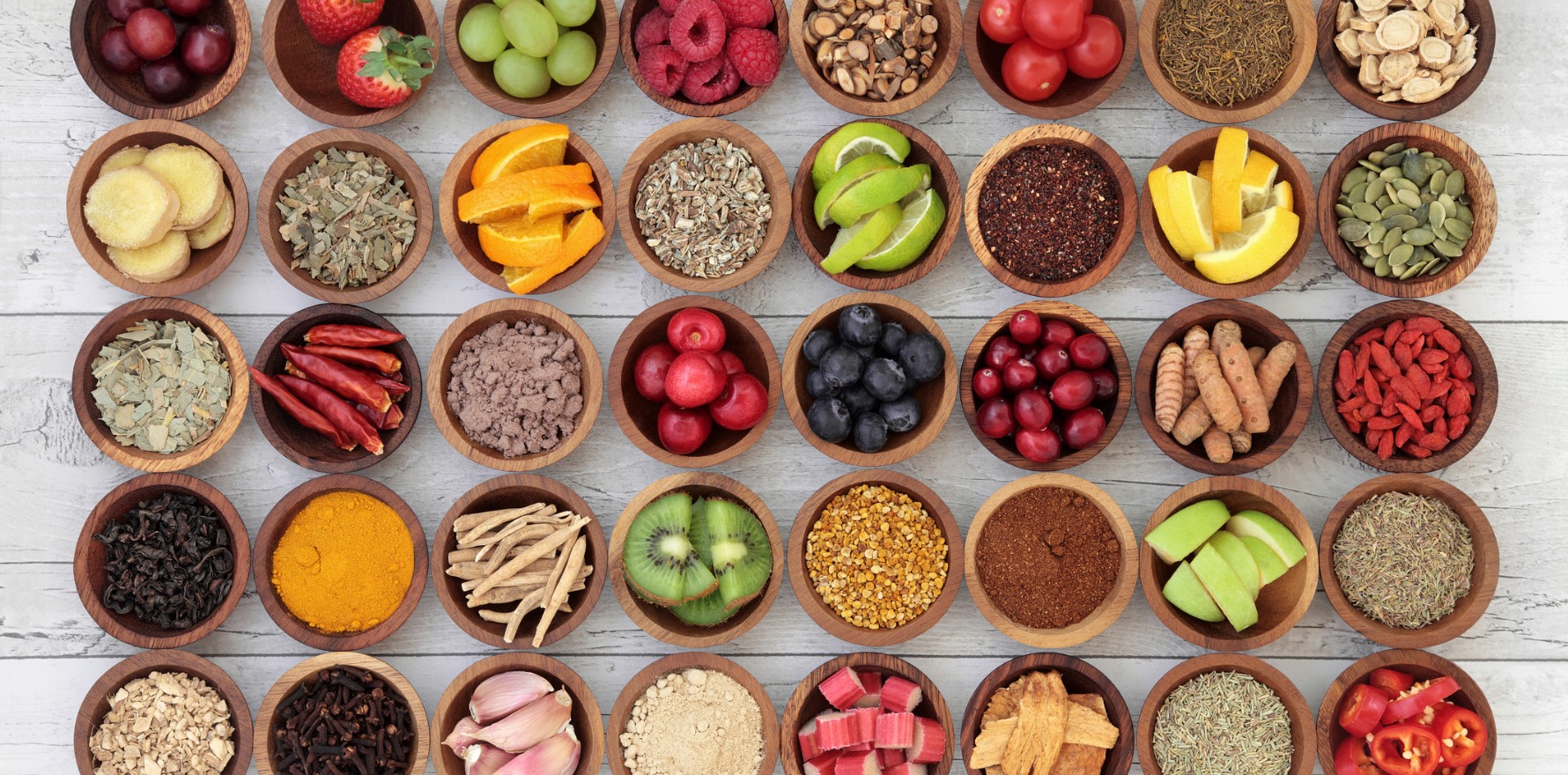
Fruit was the most commonly reported cause of allergic symptoms (69%), followed by nuts (63%), legumes (40%), vegetables (34%) and seeds or pits (14%).
When broken down into individual foods, apple was the most common allergen (44%). A third of participants experienced symptoms from kiwi fruit, hazelnut, walnut or peanut, a quarter from cherry, and a fifth from almond, peach or pear.
Severe symptoms were most frequently reported for seeds (40%), fish (39%), legumes (35%), nuts (32%) and crustaceans (31%).
In absolute numbers, peanut, hazelnut, walnut, almond, apple and kiwi fruit were the greatest causes of severe reactions.
Tropical fruits, such as lychee, were the biggest culprit of severe symptoms in the fruit category. However, fruit as a group caused only 17% of severe responses, making it the lowest ranking group in terms of severity.
The researchers have suggested a paradigm shift away from the so-called ‘big 8’ – cow’s milk, egg, wheat, soy, peanut, tree nuts, fish and shellfish – which they said are the basis of most food allergy prevalence studies.
“Basically, the message is, any food can cause allergy in any person,” Professor Connie Katelaris, allergist, National Allergy Centre of Excellence respiratory allergy stream co-chair and professor of Immunology and Allergy at the University of Western Sydney, told The Medical Republic.
“Things like pine nuts and seeds from various things are becoming more common, and that’s because people are eating these more – everybody knows that they’re good for fibre and good for the microbiome.
“So, you’re suddenly seeing people putting sunflower seeds and chia seeds and all sorts of things on their cereals and whatever, [and with] the more frequent use of these foods, we’re going to see more become sensitised.”
Another contributor to the study findings, she explained, was fruit availability.
“[It] was a European study and they’re seeing a lot of tropical fruit allergy, which they’ve never seen before,” she said. “These days, with the global economy, they’re able to buy a mango in the Netherlands, whereas that would have been unheard of years ago.”
“So, I think with the universality of the food supply, people are becoming sensitised to things that we haven’t seen before.”
She explained that recognition that some of these less usual allergens are becoming more common as people eat a wider variety of foods is needed.
“If everybody’s only concerned about the sort of eight to nine allergens that we see most commonly in infancy and childhood, you are going to miss warnings,” she said.
Related



“The advice is not to discount unusual foods … If the patient’s history is consistent, they need to be tested appropriately, and if there’s any doubt, then a[n oral food] challenge should be performed.”
“Patients have to be educated about looking at labels very carefully, especially now you get seeds in all sorts of breads and everything like that. It’s a bit of a minefield when they have these sorts of allergies.”
The study affirmed her experience with adult food allergy, she explained.
“I think the paper documents what we all know when we do adult allergy clinics, but they’ve got a lot of data. They haven’t done challenges, which are the gold standard, but nevertheless, the history and either skin testing or specific IgE testing with a consistent history is pretty reliable,” she said.
According to Allergy and Anaphylaxis Australia, food allergy is estimated to affect one in 10 babies, one in 20 teens and one in 50 adults.
The researchers also found symptoms to be uncommon for foods that have mandatory labelling requirements in the Netherlands, such as lupine (0.1%), fish (0.1-1.9%), crustaceans other than shrimp (0.2-1.4%), mustard (1.1%) and celery (2.5%).
Journal of Allergy and Clinical Immunology, 26 November 2025
