

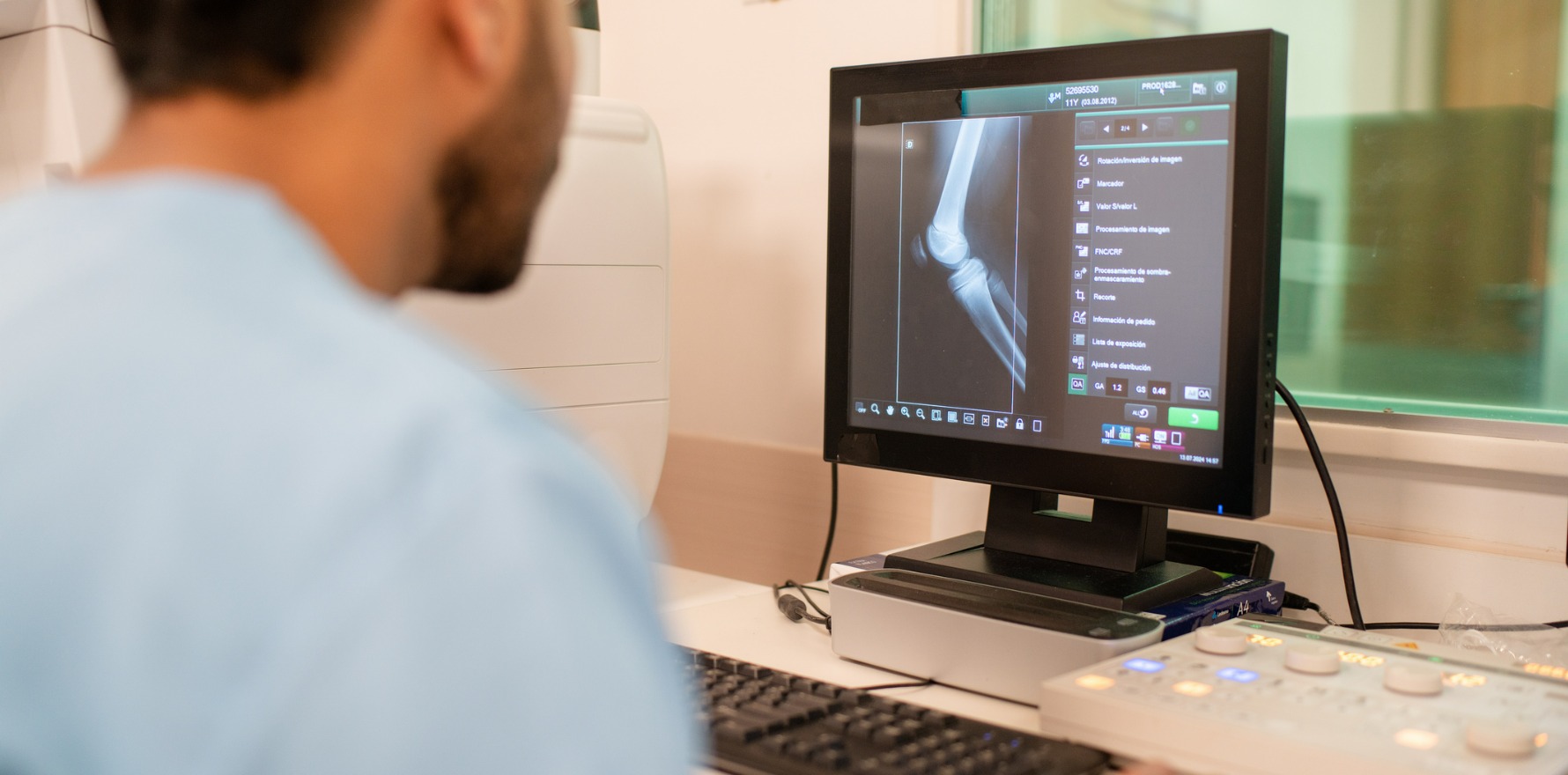
Limb x-ray reports are now visible to patients as soon as they’re uploaded, with other imaging results appearing after a shorter, five-day delay.
The latest My Health Record changes have gone online, with patients now able to access limb x-ray reports as soon as they’re uploaded into the system.
As part of the federal government’s “Sharing by Default” reforms, consumers will get faster access to test results and other key health information.
In addition to seeing limb x-ray results immediately, from this week patients will also get access to diagnostic imaging like CT, MRI and PET scans, mammograms and ultrasound sooner, with reports available to view after five days which is down from the previous seven-day delay.
They’re the second round of changes legislated to modernise My Health Record.
From October 2025, patients could get access to most pathology results as soon as they were uploaded. Some complex tests such as anatomical pathology, cytopathology and genetic tests will have a five-day delay, down from the previous seven days.
From July 2026, healthcare providers will be required to upload pathology and diagnostic imaging reports by default to My Health Record unless a patient asks for the information not to be shared.
The reforms also mark a shift away from voluntary uploading of clinical information, which has long been criticised for leaving many My Health Records incomplete.
They were part of the recommendations from the Strengthening Medicare Taskforce Report and were enshrined in the Health Legislation Amendment (Modernising My Health Record – Sharing by Default) Act 2025
According to the Department of Health, Disability and Ageing, they’re designed to:
- provide increased access to key health information for consumers, their representatives and healthcare providers;
- empower consumers to participate in their own healthcare decisions;
- support healthcare providers to coordinate care across different healthcare settings and providers, helping reduce duplicate tests, and support clinical decisions.
However, the Australian Medical Association has consistently argued against the removal of the seven-day delay for pathology and diagnostic imaging results in MHR.
Its position is that the removing the delay doesn’t sufficiently allow for patient safety and continuity of care.
“We have commented that immediate access to results without clinical interpretation risks causing unnecessary distress and confusion for patients, particularly when results are complex or abnormal,” said the AMA.
Related



“Doctors should have the opportunity to review and interpret results before patients see them, ensuring patients receive accurate explanations and appropriate follow-up care.
“Without this safeguard, there is a real risk that patients may misinterpret results, delay necessary treatment, or overwhelm practices with urgent inquiries before clinicians have had time to review the findings.”
They say the subsequent set of reforms are modest and balances a consumer desire for more information with clinician feedback.
“Published guidance for consumers also emphasises delays are based on test type, not the result, and do not indicate an adverse finding. The retained delay for most imaging is intended to allow the treating team time to review results and plan care before consumer viewing,” the AMA said in a statement.
However, the AMA also highlighted that the reforms highlight that information flows unevenly between hospitals, GP systems and patient portals. It will keep pushing for better integration across the full pathway “so shared records genuinely support continuity of care rather than creating parallel information silos”.
The Consumers Health Forum supports the sharing by default legislation, saying in its submission to the bill reading that it would empower consumers and reduce pressure on primary care.
“Consumers have expressed concerns about delays and difficulties in uploading their critical health information onto My Health Record. For many, these delays can lead to potentially life-threatening situations during episodes of urgent care,” it wrote.
Currently, the requirement applies to written pathology and imaging reports and doesn’t include images. Once the rules are in place in July, Medicare benefits will only be paid for pathology and diagnostic imaging when the required information is uploaded to MHR.
The Australian Digital Health Agency has flagged that there might be other health information included in the upload mandate.
According to the DoHDA, this could include medication management and care planning.
