

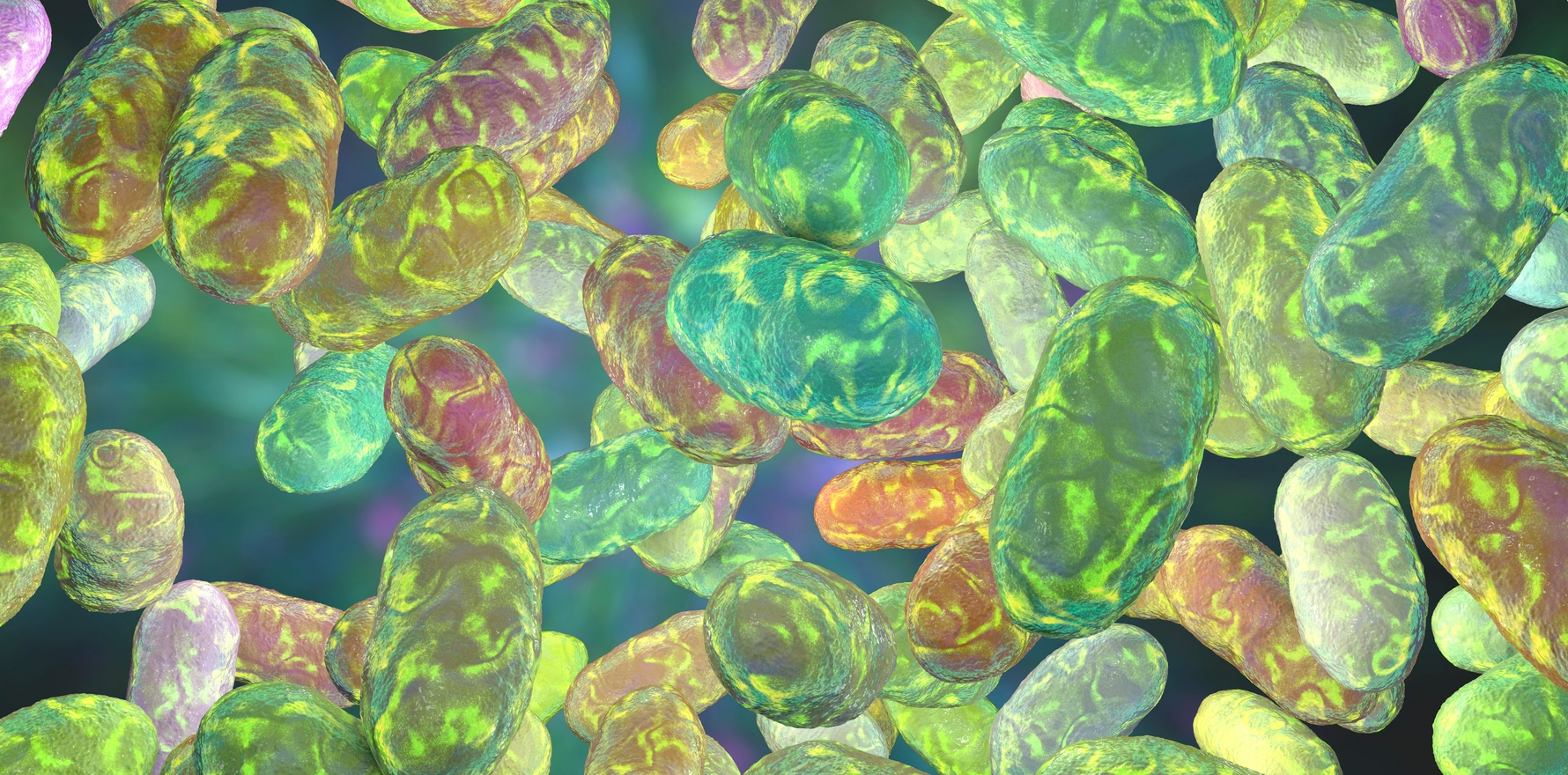
An Australian expert explores the role of the microbiome in ageing, and how we can use it as an anti-ageing strategy.
The microbiome plays a key role in skin ageing, but don’t go reaching for your kombucha just yet.
Skin ageing involves both structural and ecological changes, with barrier function, inflammation and oxidative stress all interlinked. And our microbiome plays an important role in these changes as a regulator of barrier homeostasis, according to Dr Katherine Armour, a cosmetic and medical dermatologist from the Dermatology Institute of Victoria.
“The key message is that skin ageing and barrier dysfunction is partly a microbial phenomenon,” Dr Armour told delegates at the 2026 Australasian Society of Cosmetic and Procedural Dermatologists symposium. “The microbiome is a diverse and multifaceted ecosystem of microorganisms that reside on our skin, including bacteria, fungi, viruses and mites… it’s not passive – it’s metabolically active and immunologically engaged.”
Dr Armour went on to explain the three core functions of the microbiome in skin health: pathogen defence (competing with pathogens by excluding them from nutrients and from adhesion sites on cell membranes), immune modulation and defence (modulating toll-like receptor signalling towards a more balanced and healthier anti-inflammatory cytokine environment) and barrier enhancement (producing short chain fatty acids and stimulating ceramide synthesis and filaggrin expression).
“That’s the mortar that holds all the bricks together,” Dr Armour explained. “So, the microbiome is essential for maintaining hydration and barrier integrity.”
It should come as no surprise that environmental factors and intrinsic aging that affect our skin also impact the microbiome. Ultraviolet light, particulate matter and heavy metal exposure decreases microbial diversity, leading to greater numbers of “bad” bacteria, increased transepidermal water loss and reduced skin hydration. Similarly, sebum and lipid levels decrease with age, which also leads to increased colonisation by opportunistic “bad” bacteria.
“[In addition,] a lot of us are doing too much to our skin… our skincare practices and product use can also upset the skin microbiome,” Dr Armour said. “Frequent use of high pH skincare products, strong surfactants or preservatives can disturb the skin’s natural balance by stripping away those protective lipids and altering our commensal community.”
The changes that occur because of ageing have been dubbed “inflammaging”, where chronic, low-level inflammation associated with ageing sets off a cascade of inflammatory triggers – interleukin-1β, tumour necrosis factor alpha, toll-like receptors and matrix metalloproteinases – that lead to collagen and elastin degradation, dermal thinning and increased wrinkle formation.
However, Dr Armour highlighted that targeting these changes as part of a microbiome-supported skincare approach is a rational anti-ageing strategy. She outlined four key active ingredients to consider in such a strategy: probiotics, prebiotics, postbiotics and ferments.
Related

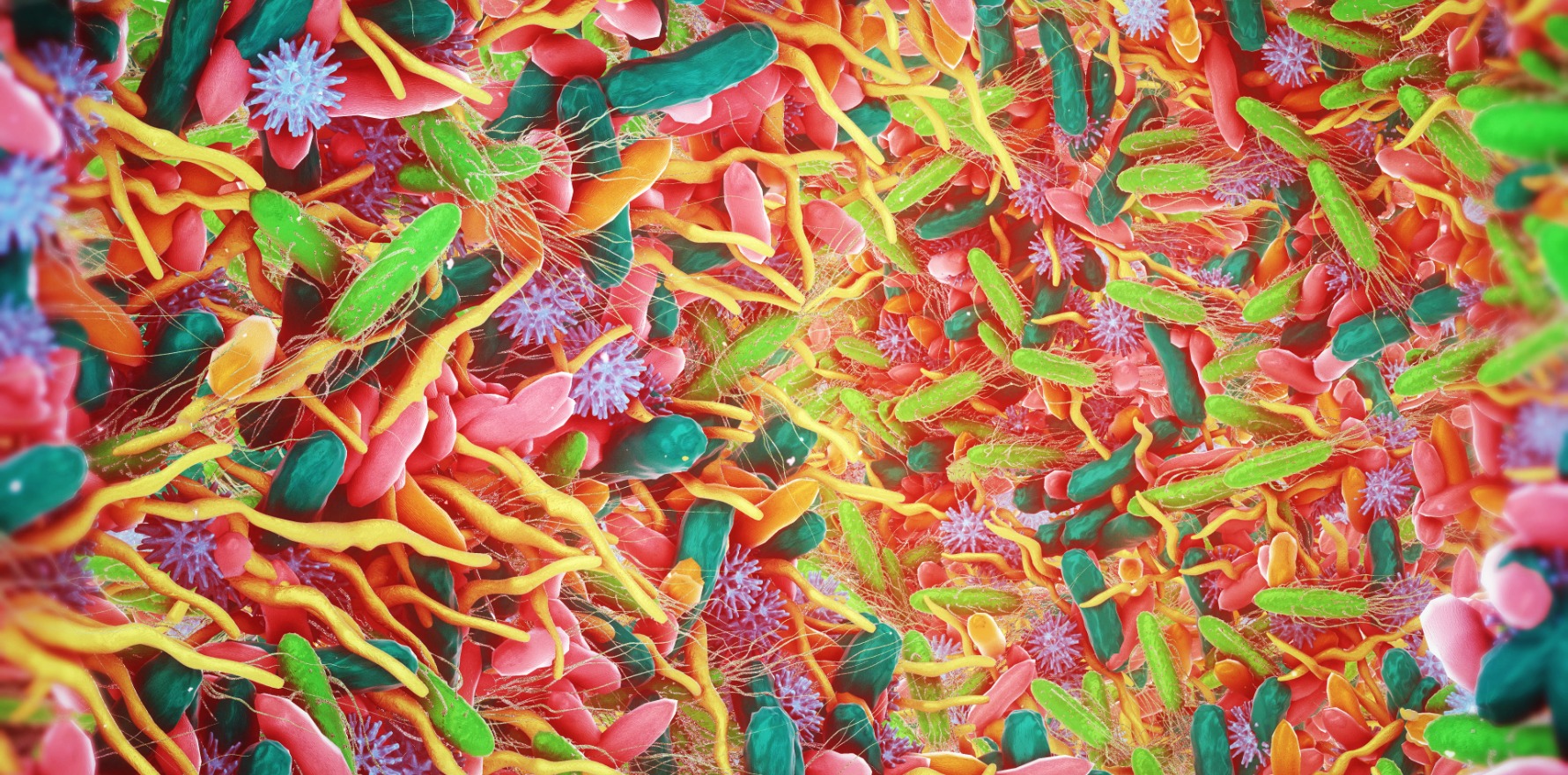

“Probiotics are live microorganisms that help restore balance and a nice, broad commensal microbiome, which is hard to achieve. Prebiotics are substances that nourish the microbiome and fuel those good bacteria that we want to be present,” said Dr Armour.
“There’s postbiotics, which are beneficial byproducts of microbial activity, and then ferments, which are things like kombucha and rice ferment. I personally have only ever drunk kombucha, but we might be rubbing it on our skin soon.
“I’ll point you to this fantastic article in Annals of Dermatology from late last year, which summarises a huge amount of the literature we already have and breaks down the evidence for the efficacy that has just started to be seen with microbiome-based skincare, just to give you a snapshot of what evidence is starting to come through.”
Acknowledging interpersonal variability is particularly important when considering microbiome-supported skincare treatments. As each person’s microbiome is unique, what might work for one person may have disastrous consequences for another.
And as always, further research is required to determine whether the microbiome changes seen in ageing are truly due to ageing or whether they are a consequence of the day-to-day changes that happen to our skin, and to better understand how the microbiome interacts with skin cells at a molecular level.
Dr Armour concluded her presentation by expressing her excitement that the dermatological field was beginning to appreciate the importance of the microbiome, given its importance to our overall health.
“Right now, the evidence is just emerging,” she said. “I’m not going to start using it myself just yet, but I look forward to seeing where microbiome skincare goes.”
The 2026 ASCPD Symposium was held in Melbourne from 20 to 22 March.
