


Meet the two GPs intending to vie for the RACGP presidency in this year’s election (so far).
In a LinkedIn post on 12 July, RACGP Vice President and Western Australia Chair, Dr Ramya Raman, became the first to announce her intention to run in the upcoming RACGP presidential election. She is not running unopposed.
As a Family Medical Clinic owner in Perth and RACGP WA chair for five years, Dr Raman said she has witnessed both sides of the consulting room door – and what’s at stake for community health when policy is poorly designed.
“I’m running because general practice is being asked to carry more complexity with fewer resources, while too many of the major reforms are being developed without GPs in the centre,” she said.
Dr Raman told The Medical Republic she intends to take a firm stance on patient safety, continuity of care and clinical autonomy, priorities she said must be shaped by GP presentation from all parts of Australia.
“RACGP needs leadership that understands those grassroots pressures, which are even more exaggerated and experienced by my colleagues who are in remote and rural areas,” Dr Raman said.
In 2025, Dr Raman helped secure $1.3 million for ADHD diagnosis and prescribing in WA, $1 million in 2026 for flu vaccinations, and advocated for the $220 million Strengthening Medicare General Practice Grants from 2022 to 2024.
Dr Raman also played a key advocacy role in securing funding for the Albany after-hours clinic, which was under threat of closure.
Related

A second contender has since emerged.
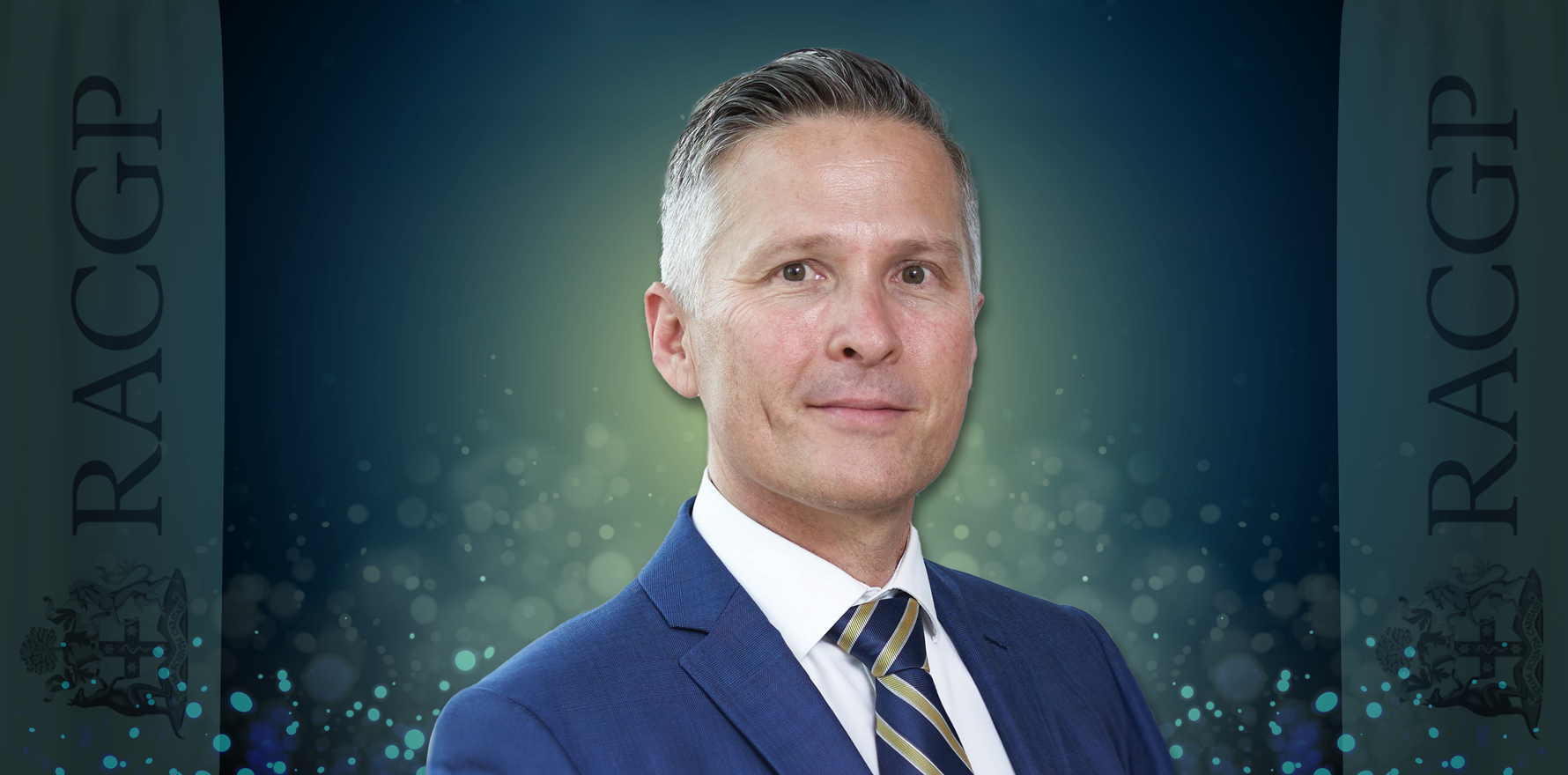
With over 23 years of GP experience, RACGP Victoria Chair Dr Anita Muñoz told TMR today that she would be joining the campaign to run for RACGP president.
Dr Muñoz, who has closely followed Australian medical politics for more than a decade, said she has secured significant policy wins.
Some include $23 million for GP respiratory clinics in 2021, $32 million for the GP registrar grants program in 2023, and $10 million for GP-led early dementia detection in 2024.
As an occasional op-ed contributor to TMR, she has also co-authored research on interventions to support adolescent vaping cessation and on GPs’ attitudes and knowledge regarding ADHD.
“I have deep concerns about some of the trends I see in medical politics, in funding, in role substitution,” she said.
“What we need is an experienced, assertive and forthright voice in Canberra in order to represent our membership and our profession appropriately in the coming two years,” the Victorian GP said.
Her greatest concern, repeatedly raised by RACGP members alike, is the recognition and respect for GPs (or lack thereof) – not only for their healthcare contributions but also for appropriate remuneration and the removal of barriers to continuity of practice.
GPs face a double bind driving burnout, Dr Muñoz said – hemmed in by “red tape” and regulatory paralysis on one side, and by “ever-reducing funding streams” and public and government criticism when the system underperforms on the other.
“I don’t go into this presidential campaign feeling the future has already been decided for us,” she said.
With presidential nominations closing on 20 July, a window remains for further candidates to enter before the field is set.
“If we can be united in our approach to conversations with government, funders and policymakers, we can affect change in a way that helps improve the healthcare system and the future of general practice,” she said.
The candidate campaigning period will run from 24 July to 21 August.
