


Two large new studies have added to the limited human evidence on the potential effects of use during pregnancy, in both maternal and foetal outcomes.
Semaglutide users who went on to get pregnant were significantly more likely to experience excessive gestational weight gain, gestational diabetes, excessive foetal growth, and caesarean delivery than women who had never used it, according to new US research.
Whether the glucagon-like peptide-1 receptor agonist (GLP-1 RA) had been ceased prior to pregnancy or continued during pregnancy made no statistical difference to these outcomes.
The researchers suggested that the similar risk profile among current and former users compared to nonusers could indicate that the elevated risks were related to factors such as rebound effects after treatment discontinuation, rather than direct intrauterine exposure to semaglutide.
Using linked electronic medical record and pharmacy dispensing data from women aged 18-45 years with overweight or obesity who delivered between January 2022 and January 2026, researchers identified 1230 women who had received semaglutide before pregnancy, 429 of whom had prescription supplies that extended into pregnancy. Women with a history of bariatric surgery, multiple gestations, stillbirth, ectopic or molar pregnancies, and other non-delivery pregnancy outcomes were excluded.
Most exposure occurred only in the first trimester (368 women), while 46 continued into the second trimester, and 15 continued into the third. Across all who continued semaglutide into pregnancy, the median duration of exposure was 44 days.
They also identified a comparison cohort of 2203 pregnancies that met the same criteria but had no record of maternal GLP-1 RA exposure in their lifetime.
Compared with these nonusers, women who continued semaglutide into pregnancy had, on average, 5.12kg more gestational weight gain. They also had higher risks of excessive gestational weight gain (adjusted odds ratio [aOR] 2.88), gestational diabetes (aOR 1.59), excessive foetal growth (aOR 1.78), and caesarean delivery (aOR 3.35).
However, the researchers observed a similar risk profile among women who had used semaglutide before pregnancy, but whose prescription supply had ended by the time pregnancy began.
These former users had higher risks of excessive gestational weight gain (aOR 1.98), gestational diabetes (aOR 1.43), excessive foetal growth (aOR 1.54) and caesarean delivery (aOR 3.92) compared with nonusers.
The study used data from Truveta, a linked electronic medical record and pharmacy dispensing dataset using 30 US health systems across all 50 states, representing more than 20% of clinical care nationwide, researchers said.
Most women who continued semaglutide into pregnancy had been prescribed the medication for diabetes treatment (61.3%), rather than weight management. Of the 429 women with pregnancy exposure, 22.8% received a new refill during pregnancy.
Related
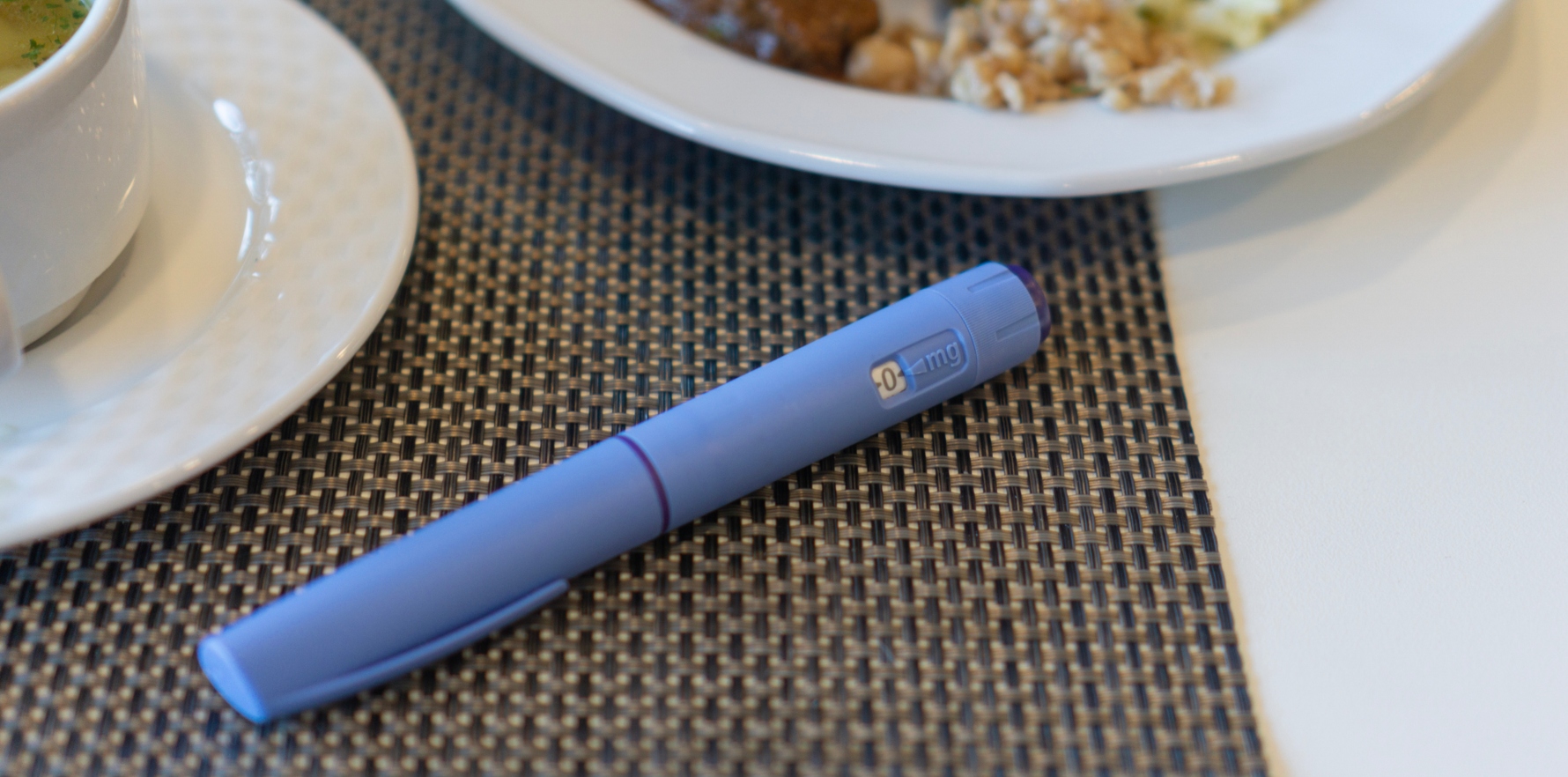
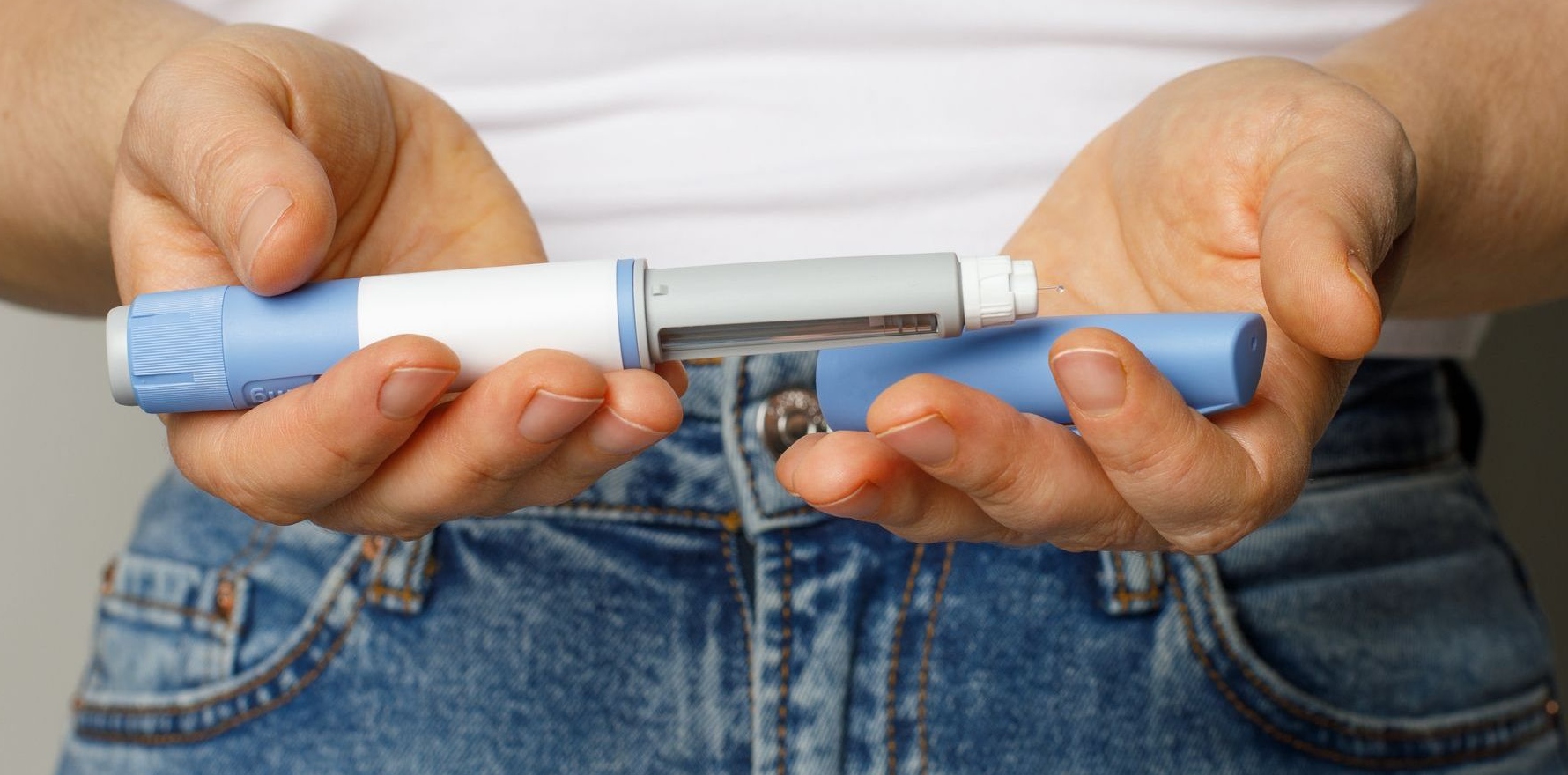

Adding to the limited human evidence on GLP-1 RA exposure during pregnancy, a separate US observational cohort study examined outcomes among women who continued treatment into the first trimester.
The study included 3572 pregnancies among 3427 women between 2011 and 2024 who had been dispensed a GLP-1 RA in the 90 days before their last menstrual period. Semaglutide was the most commonly dispensed (46% of scripts), followed by liraglutide (25.3%).
Among these pregnancies, 57.1% were exposed to GLP-1 RAs into the first trimester (using the last dispensation date plus the number of supply days to calculate whether exposure continued past six weeks after LMP). The majority of live-birth pregnancies among continuers had only one dispensing after the LMP (63.6%).
The weighted risk of non-live birth was 29.7% among women who continued treatment into the first trimester, compared with 27.1% among those who discontinued treatment (aRR 1.09). There was no evidence of a difference in spontaneous abortion risk (aRR 0.99), although elective terminations were more common among women who continued GLP-1 RA treatment (aRR 1.78).
The researchers said seven of 132 elective terminations in the continuation group and eight of 51 in the discontinuation group were accompanied by a code for a known or suspected foetal malformation. They cautioned that the higher rate of elective termination among continuers may reflect a greater proportion of unintended pregnancies, which are more likely to be recognised later and involve continued exposure to medications with potential foetal risks.
Of the 2529 pregnancies that resulted in live birth, continuation of treatment was not significantly associated with small for gestational age (aOR 1.20), large for gestational age (aOR 1.08), or major congenital malformations (aOR 1.21).
Across the included pregnancies, mean age at the LMP was 34 years, 41.1% were among women with type 2 diabetes, 23.1% were among women with chronic hypertension, and 25.6% were among women with hypercholesterolemia. Those who continued use into pregnancy were slightly older on average (mean age at LMP 33.7 years vs 32.9 years) and more frequently had type 2 diabetes (42.7% vs 34.7%), prior use of cholesterol-lowering medication (11.3% vs 7.6%), and an HbA1c test ordered in the 6 months before the LMP (58.8% vs 54.5%).
The authors said the findings provided “some reassurance for pregnant women with unintentional first-trimester exposure,” but they noted that there remains difficulty in interpreting pregnancy outcomes among GLP-1 RA users due to the influence of underlying obesity, diabetes, hypertension, and other cardiometabolic conditions.
They also highlighted the increased prevalence of GLP-1 RAs and the need for further research in their use around pregnancy.
“The number of pregnancies in MarketScan CCAE with GLP-1RA dispensations in the 90 days before the LMP increased substantially in recent years, from 2 per 1000 in 2020 to 15 per 1000 in 2024,” they wrote.
