


New MBS items allow eligible children and teenagers to undergo unattended sleep studies, with GPs providing the gateway to specialist assessment.
GPs can now refer children and adolescents for Medicare-funded assessment that may lead to an overnight sleep study being conducted outside a laboratory, under two new MBS items introduced in July.
The items cover Level 2 polysomnography for medically uncomplicated young people being investigated for sleep-disordered breathing who do not need professional supervision overnight.
The change potentially saves suitable patients and their families a night in a sleep laboratory while expanding the options available for investigating suspected sleep-disordered breathing.
The two items came into effect on 1 July 2026, with separate arrangements for children aged three to 11 years and adolescents aged 12 to 17 years.
But GPs will not be able to order the unattended study directly.
Instead, access starts with a GP referral to a qualified sleep medicine practitioner, who is responsible for determining whether a Level 2 study is clinically appropriate for the individual patient.
The Department of Health, Disability and Ageing said the new items were intended for medically uncomplicated children and adolescents who did not require professional supervision overnight.
Level 2 polysomnography allows a range of physiological parameters to be recorded while the patient sleeps without the continuous attendance of sleep laboratory staff.
The new Medicare arrangements are aimed at investigating sleep-disordered breathing, which encompasses conditions involving abnormal respiration during sleep and includes obstructive sleep apnoea.
For GPs, the key change is not a new ability to directly request paediatric home sleep testing, but a new Medicare-funded pathway that a specialist can use after receiving a GP referral and assessing the child.
The sleep medicine practitioner must decide whether an unattended study is appropriate, meaning children with clinical circumstances requiring greater supervision or more complex investigation will continue to need laboratory-based assessment.
Related
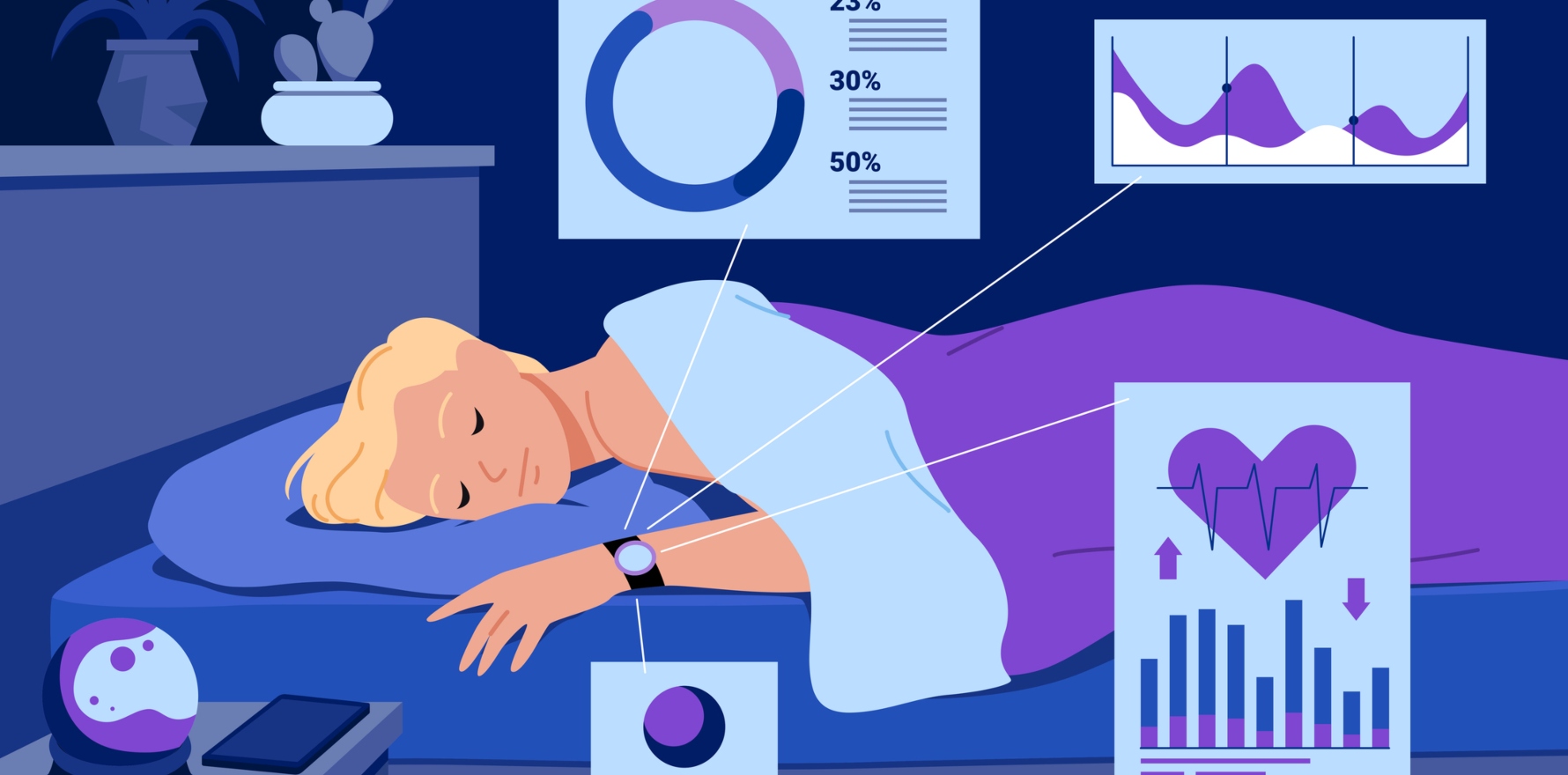


The age-specific items also recognise that sleep investigations in younger children and adolescents are not necessarily interchangeable.
Home-based sleep testing is already well established within Medicare for selected adults, although the referral arrangements differ. GPs can directly refer eligible adult patients for diagnostic home-based or laboratory-based sleep studies for obstructive sleep apnoea when specified assessment tools and eligibility criteria are used.
For the new paediatric items, specialist involvement remains built into the pathway.
The distinction may be important for GPs discussing testing with parents who expect the new Medicare items to mean their GP can simply order a home sleep study.
The change also means some families may avoid the logistical burden associated with an attended overnight laboratory study, provided the child meets the clinical requirements for unattended testing.
Consequential amendments have also been made to existing MBS sleep-study items to clarify restrictions on co-claiming relevant services following the introduction of the two paediatric items.
The new arrangements apply nationally and have been available since 1 July. For more information see here.
