


The new plan aims to help raise the standard of endometriosis care in general practice.
Australia has launched its first National Endometriosis Plan, giving people living with endometriosis and chronic pelvic pain a novel way to plan and manage their care.
The plan, launched on Thursday, was developed from a collaboration between the SPHERE NHMRC Centre of Research Excellence at Monash University and the Royal Australian College of General Practitioners. People living with endometriosis and chronic pelvic pain, GPs, and other clinicians were involved in the co-design process. The project was funded by the federal Department of Health, Disability and Ageing.
The EMP guides the consultation to the symptoms that matter most to patients, including pain, heavy menstrual bleeding, fertility, or mental health, and offers guidance on treatment options, referrals, self-management, and multidisciplinary care. Patients receive a personalised plan at the conclusion of the consultation, which can be reviewed and updated with their GP.
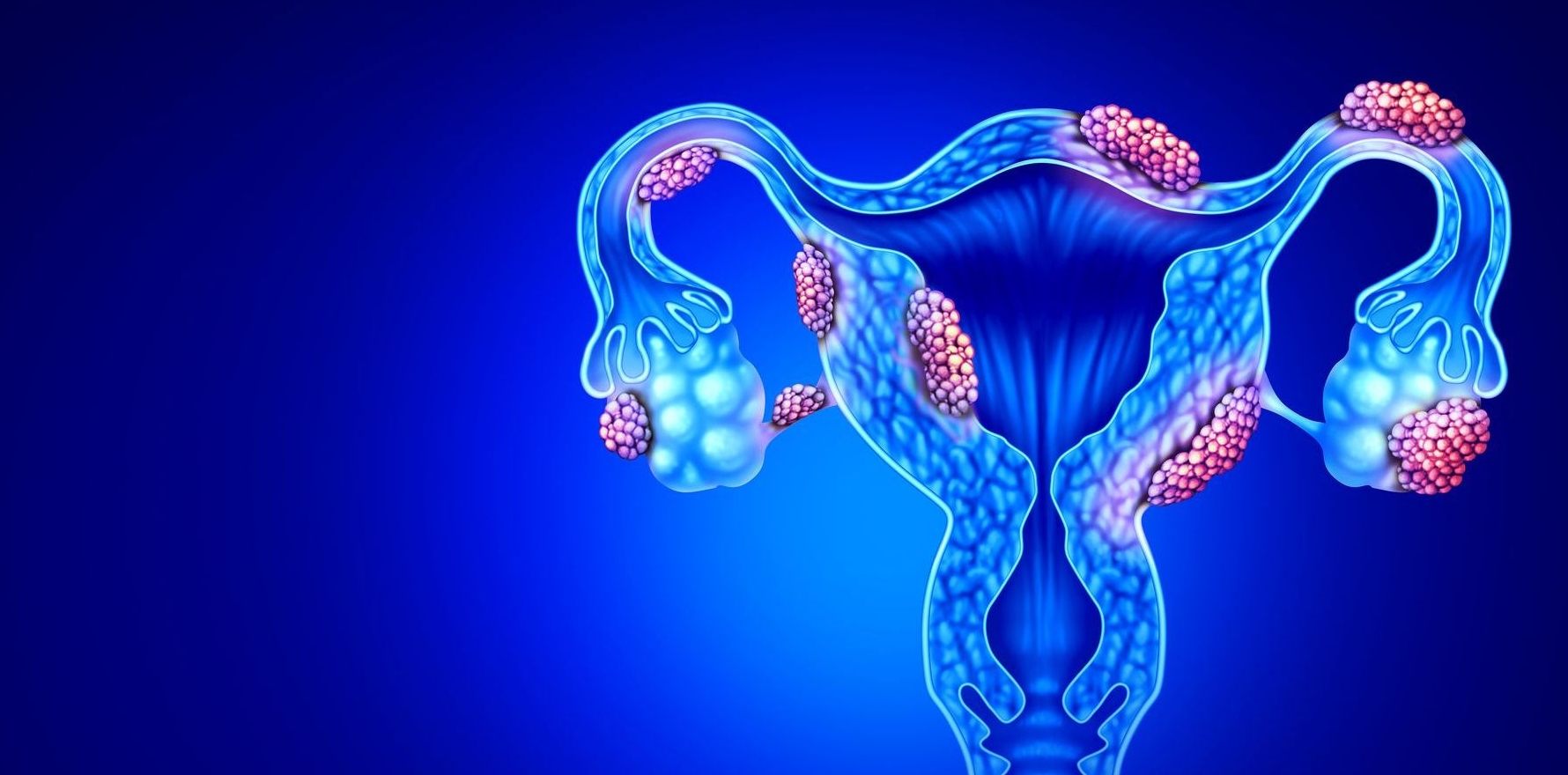
Endometriosis affects around one in ten people of reproductive age worldwide, with one in seven Australians diagnoses with endometriosis by 44-49 years of age. The condition is typically diagnosed using imaging techniques such as ultrasound, although laparoscopic surgery may also be required to confirm the diagnosis in certain cases. Endometriosis and chronic pelvic pain are thought to cost Australia $6.5 billion each year.
Professor Danielle Mazza AM, head of Monash University’s Department of General Practice and EMP project lead, said the plan had been developed to ensure patients with persistent endometriosis symptoms were not left hanging.
“Someone may have suspected endometriosis and be referred for further investigation or specialist care, but that doesn’t mean nothing can happen in the meantime,” said Professor Mazza. “Symptoms can be complex, non-specific and vary from person to person.”
“We want patients to understand their condition, know what their options are and have a clear management plan they can return to and review with their GP, rather than feeling there is nowhere to turn.
“Ultimately, we hope the EMP will help raise the standard of care for endometriosis and pelvic pain in general practice.”
Related

RACGP president Dr Michael Wright said the EMP could change people’s lives – and that GPs had a pivotal role to play.
“Too many Australians living with endometriosis spend years seeking answers, often while managing significant pain and disruption to their daily lives,” he told media.
“General practice is the cornerstone of endometriosis care.
“By supporting earlier management, shared decision-making and coordinated multidisciplinary care, this initiative has the potential to improve health outcomes and quality of life for people living with endometriosis and chronic pelvic pain.”
The complete EMP is free to access and is available on the Monash University website. A consumer-specific website has been developed, and a collection of frequently asked questions about the EMP can be found on the SPHERE Centre of Research Excellence website.
The RACGP has run two webinars on how clinicians can better recognise and manage endometriosis and chronic pelvic pain, with a third planned for early October. An eLearning module has also been developed and can be accessed via the RACGP website.
