

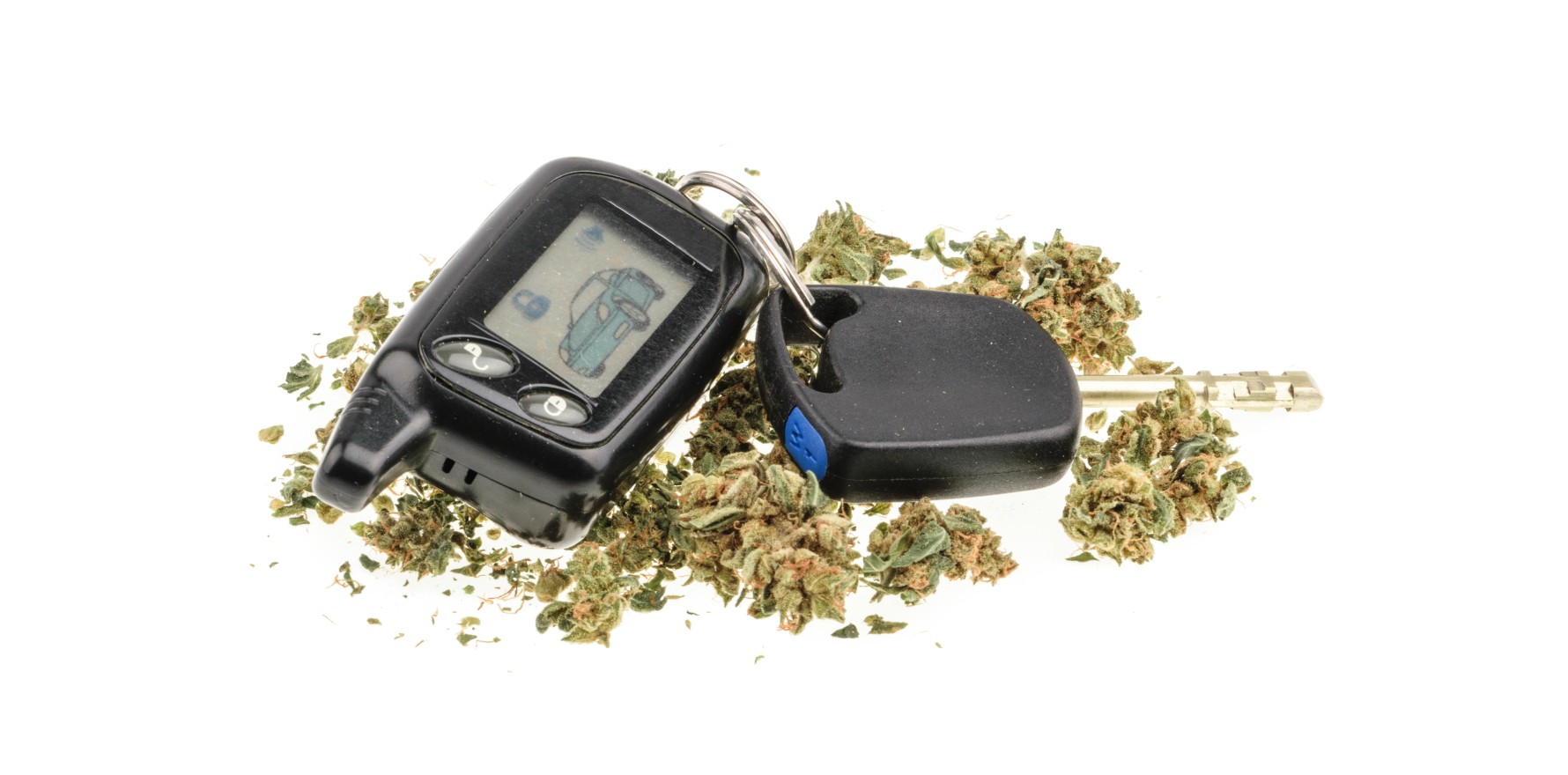
The rules mean fewer logistical and legal problems for patients prescribed medications containing THC.
Drivers using medically prescribed cannabis are no longer breaking the law in NSW, following changes passing the Upper House yesterday afternoon.
When compliant with the attendant conditions, they will not lose their license, but they are still subject to roadside stops and 24-hour driving bans.
The amendments, recommended during the NSW Drug Summit 2024 and the Inquiry into Cannabis Regulation, only applied to unrestricted licence holders – not learners, P plate drivers, or commercial drivers.
Under the previous drug presence offence framework, drivers faced an immediate three-month loss of licence if they were found to have THC in their system.
Under the new Road Transport Amendment (Medical Cannabis and Driving Offences) Bill 2026, drivers who were prescribed medicinal cannabis would not be in breach of the law if they drove with THC in their system, as long as they met certain conditions.
“This is a reform about road safety. It brings medicinal cannabis users into the system, into a safe and appropriate way of regulating how they drive and when they can drive,” Stephen Lawrence MLC, who served on the inquiry, said after the legislation was passed.
“… We’ve had a million prescriptions written in Australia for this product. We needed to bring the law in alignment with that situation but do it in a way that puts community safety at the forefront.”
Related

Under the new rules, drivers using medically prescribed THC products would need to register with Transport for NSW, submitting evidence of a valid prescription and undertaking a mandatory online education program about cannabis and driving safety.
However, these drivers would still be subject to roadside testing and, if they tested positive for THC, would still receive an immediate 24-hour driving ban.
The difference between this law and the old one relied on a threshold. If the subsequent lab test showed a TCH level below 50 ng/ml, no further action would be taken. If above, they would receive a warning the first and second time that happened within two years. The third time, penalties applied, including a $722 fine and a minimum three-month licence suspension.
Registered drivers could not have any other drugs or any alcohol in their system. They would still be charged with driving under the influence if they showed signs of impairment. And they still had to undergo blood and urine tests after serious crashes.
Dr Will Tregoning, CEO of drug reform advocacy group Unharmed, told The Medical Republic this was a significant change for patients.
“It means no longer having to make a decision between medicine and mobility. And so, for doctors, it also means that they can prescribe with more confidence that it’s not going to create this massive logistical impediment for people’s lives,” Dr Tregoning said.
His organisation was asking the government for more clarity for patients about the thresholds for picking up the presence of THC using the roadside assay test.
“They have claimed that the threshold is the same as the 50 nanograms that’s used in the complementary test, but our understanding is that it may in fact be lower than that,” he explained.
“There’s no public information about what threshold those roadside devices have been manufactured to, so we don’t actually know at what level they will indicate positive.
“Patients need to have confidence that they’ve waited a sufficient amount of time not to lose their ability to drive for 24 hours, and so government providing clarity on the thresholds used at the roadside would help patients in making those decisions.”
When the legislative changes were mooted in June this year, the chair of the NSW State Committee of the Royal Australasian College of Surgeons, Dr Danette Wright, and the chair of the RACS NSW State Trauma Committee, Dr Vikram Puttaswamy, said that the reforms could undermine road safety because there was no way to scientifically determine if a driver was impaired.
“Road trauma is largely preventable, and any change to impairment laws has to be judged against that reality. On the current evidence, these changes do not pass that test,” Dr Puttaswamy said.
The chairpersons’ argument, published on the college’s website, was that: “Unlike alcohol, where concentration supports valid inferences about impairment, there is poor correspondence between THC levels in blood or saliva and driving-related impairment. THC-induced impairment can persist long after measured levels have declined, and the correlation between concentration and impairment is weakest in regular users; the group most likely to be using medicinal cannabis. A regulatory threshold therefore cannot, on present science, reliably distinguish an impaired driver from an unimpaired one (Metrik et al., Current Addiction Reports 2026).”
The committee chairs also said that the rules for medicinal cannabis were different from those for other substances causing impairment and for non-medicinal cannabis at the same THC levels.
“Establishing a separate, more permissive enforcement pathway for one substance, particularly one for which impairment cannot be measured, is difficult to justify on road-safety grounds and risks undermining the consistency of the broader drug- and drink-driving framework,” the news release said.
The NSW legislative changes were expected to come into force in “late 2026-early 2027”, according to the NSW government press release, and would be reviewed after one year.
“Like we’ve said from the beginning, these reforms balance road safety with the need for a new system for patients who rely on this legally prescribed medication, without the fear of being treated like a criminal,” said NSW minister for roads and regional transport Jenny Aitchison.
“We cannot be any clearer: nobody should drive while impaired by cannabis, alcohol or any other drug. That is not changing, and drivers will continue to be tested.
“From now on, eligible medicinal cannabis patients, who are not impaired, will have a clearer system, more opportunities for education, and a chance to adjust their behaviour before facing penalties.”
