


But not for the reasons that everyone else is talking about Bupa.
News broke this week about a practice manager at a corporate-owned clinic sending a pushy-sounding email to GPs, seemingly pressuring them to bill higher-value Medicare items like chronic condition management plans.
The move has been painted as something of a rort by mainstream media.
Senator David Pocock also put in his two cents on the matter, telling parliament that deliberately maximising Medicare billings in that fashion should be illegal.
Now, was the practice manager sending an email like that a good look? Certainly not.
But was it a smoking gun highlighting the evils of corporate interests in healthcare, as the mainstream media coverage seemed to suggest it was? Eh.
While much of the public ire has been directed at the corporate clinic owner – in this case, Bupa – there are three pretty glaring omissions in the coverage: the role of the government, the bigger question about insurers and payroll tax implications.
I see the first omission, the role of the government, like this.
When you’re watching a nature documentary, you don’t get mad when a lion takes down a gazelle.
Lions have to eat. It’s, like, their whole thing.
The same goes for this story about a practice manager asking GPs to optimise billings within the Medicare rules.
Isn’t a (for-profit) business making money not, like, their whole thing?
Newcastle GP and clinic owner Dr Max Mollenkopf helped crystallise this idea.
“The idea that you would … present the email as ‘we need to increase revenue’ is uncomfortable, and [talking about revenue as a KPI to clinicians] probably doesn’t really have a place in community care,” he told The Medical Republic.
“But the other side of it – when you take it at its face value – is that we also need to improve the opportunities our patients have to be involved with [GP chronic condition management plans] and health assessments, which are actually amazing tools we have available to us as GPs to provide better care to our patients and more proactive preventative care.
“This feels like someone has been clumsy with their delivery, but actually the underlying principle of trying to improve patients’ access to GPCCMPs and health assessments is a positive step for patients, and that’s why the government remunerates them for us to do that preventative care.”
Getting mad at corporations that own GP clinics is somewhat redundant when we don’t address the uncomfortable fact that the long-term neglect of Medicare (see: the 10-year freeze) by successive governments ushered in the decline of smaller, doctor-owned practices.
Because corporate chains have the advantage of economies of scale, centralised HR and legal departments, co-location with other services and investor capital, these clinics were able to weather the Medicare freeze better than the mom-and-pop general practices of old.
General practice gets treated like a public service when it comes to discussions about access, but gets treated like a wholly private business when it comes to discussions about funding.
If we’re going to treat it like the former, then the federal government shares a portion of the blame for creating a system in which corporate interests can take hold.
Related


The top six corporate clinic owners currently control about 30% of Australia’s GP clinics, per Medius.
Insurers make up about one sixth of that 30%, but their presence is growing. Bupa has publicly declared that it intends to operate 130 medical centres by 2028.
Which brings me to my second point: what do health insurers want with general practice?
In a way, a practice manager going rogue and pressuring GPs to turn more revenue on a single clinic is small potatoes.
I would be far more concerned about the fact that Bupa has been quietly pushing for amendments to the Private Health Insurance Act to allow insurers to fund primary care-based activities.
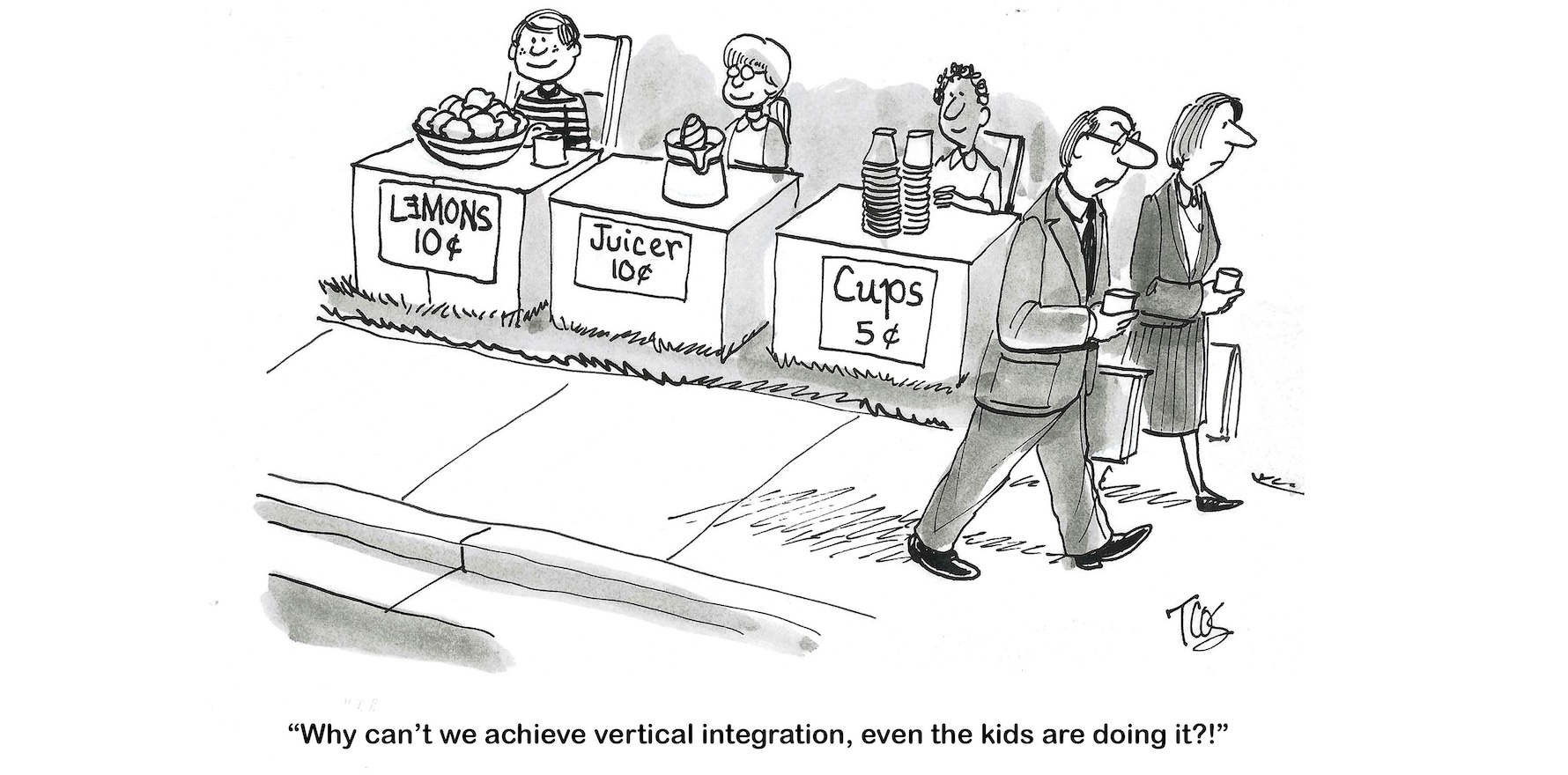
Medicare rules currently prevent private health insurers from covering out-of-hospital medical services that attract a Medicare benefit. It’s part of what prevents the vertical integration which characterises the healthcare system in the US.
In an RACGP position statement updated earlier this week, the college noted that involvement of insurers in primary care could compromise the universal access, equity, and integrity promised by Medicare.
Allowing insurers to subsidise GP visits, it said, “would undermine universal access to primary care and create a two-tier healthcare system, fragmenting care”.
It would also open the door for preferential access to healthcare for the customers of certain private health insurers, who could then be referred to private hospitals owned by those same insurers.
This is the aspect of Bupa’s interest in general practice which has rightly been causing unrest among the general practice community but has so far gone largely unreported by the mainstream press.
Movement in that space will have a far larger impact on general practice and access to care than anything a rogue practice manager might email.
The RACGP is calling on the federal government to lead an independent review into the significant increase in corporate GP ownership by private health insurers, asking it to “address the risk of PHIs monopolising ownership of general practices and other business that provide healthcare across the nation”.
As far as ideas go, that’s a pretty good one.
Then there’s the payroll tax piece.
As has been pointed out many times in these pages, evidence of a practice seeking control over what its practitioners do or do not do can be used by the tax authorities to argue that the GPs working at that clinic are employees, rather than contractors or tenant doctors.
The key reason is that independent contractors and tenant doctors are meant to be just that, while the practice entity is meant to be purely administrative.
Telling doctors to bill more of a certain item would likely be seen as something an employer would do.
If Bupa did not owe payroll tax on the practitioners at that clinic already, there’s a fair chance of something like that email being used to say that they should.
Even if payroll tax was not a problem for that clinic – say, if it was located in Queensland – there are wider implications to the GPs at a clinic being considered to be employees.
In the eyes of the ATO, for instance, that practice might now owe GPs paid leave and superannuation.
There are far, far more interesting aspects to this Bupa story than a simple corporate-control narrative.
