


Requiring only a single dose, this is the first therapy to significantly reduce both LDL cholesterol and triglycerides.
A new gene-editing therapy produced significant results within two weeks, with sustained effects for two months, an Australian-led phase one global trial has found.
LDL cholesterol and triglycerides were reduced simultaneously by nearly 60% among all participants, the researchers found.
This is the first therapy to achieve large reductions in both LDL cholesterol and triglycerides simultaneously, representing a potential breakthrough for mixed lipid disorder management.
The study’s lead investigator Professor Stephen Nicholls, also director of the Victorian Heart Hospital, Victorian Heart Institute, told media that the innovative treatment could be life-changing for those at risk of heart disease.
“Gene-editing technology is a new frontier of medical treatment, and it’s incredibly exciting for Victorians and Australians that we are leading such an important trial,” he said.
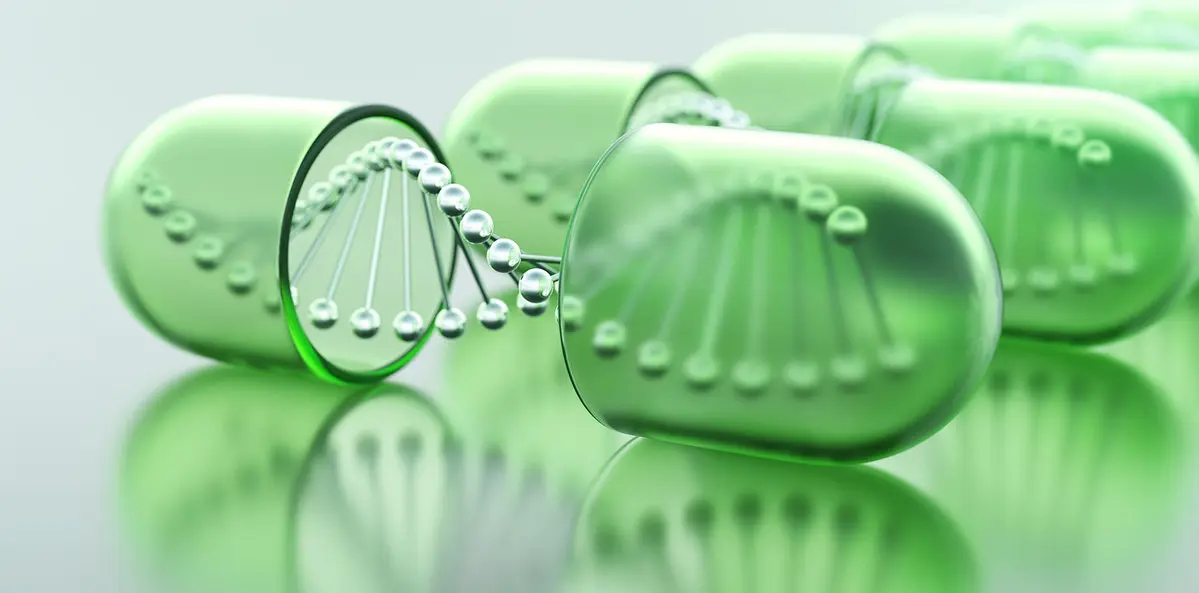
CTX310, a CRISPR-Cas9 gene-editing therapy, is carried by fat-based particles into the liver, switches off angiopoietin-like protein 3 (ANGPTL3).
This protein was targeted due to the lifelong low cholesterol and triglyceride levels associated with natural mutations which switch it off.
These people also have a lower lifetime risk of atherosclerotic cardiovascular disease and no apparent harmful effects from the mutations.
The trial was conducted at six sites across Australia, New Zealand and the UK, including The Victorian Heart Hospital, operated by Monash Health.
There were 15 participants, aged 18-75 years, with difficult-to-treat lipid disorders such as familial hypercholesterolemia and severe hypertriglyceridemia who had elevated lipid levels despite maximum tolerated therapies.
They received a single infusion of the gene-editing tools, with doses ranging from 0.1 mg per kilogram to 0.8 mg per kilogram.
The highest dose was administered to four participants and, at 60 days post-treatment, resulted in a mean reduction of LDL cholesterol by 50% and triglycerides by 55%.
The therapy has the potential to eliminate one of the biggest challenges in heart disease prevention; adherence to cholesterol-lowering treatments, Professor Nicholls explained.
“The possibility of a single-course treatment with lasting effects could be a major step in how we prevent heart disease,” he said
“It makes treatment easier, reduces ongoing costs, relieves pressure on the health system – all while improving a person’s quality of life.”
CTX310 is heading into the next phase of research later this year or early next, focusing on larger and more diverse patient populations.
Related

“If confirmed in future phases and larger trials, this one-time treatment has the potential to help save millions of lives worldwide from heart disease each year,” Professor Nicholls said.
The median participant’s age was 53 years; 40% had atherosclerotic cardiovascular disease and 40% had a clinical diagnosis of familial hypercholesterolemia, including a third with confirmed pathogenic genetic mutations.
Short-duration infusion-related reactions occurred in three participants, and one participant had transient elevations of aminotransferase levels with no clinical sequelae.
The researchers noted that similar effects had been reported for other lipid-nanoparticle–delivered therapies.
As required for all CRISPR-based therapies, participants will undergo 15 years of long-term safety follow-up.
