


The first guideline update in a decade includes significant revisions and additions to infant feeding recommendations.
The 2026 version of the Infant Feeding for Food Allergy Prevention guideline from the Australasian Society of Clinical Immunology and Allergy (ASCIA) has been released.
It’s the first update in 10 years and includes some major changes.
Formula feeding
The guideline discouraged giving cow’s milk-based infant formula in the first week of a healthy infant’s life unless there is a medical need or ongoing use is expected (recommendation 16).
While the evidence is mixed, there is concern that brief or one-off exposure to cow’s milk formula very early in life could influence immune response and potentially heighten allergy risk.
ASCIA therefore advises caution, suggesting that if supplementary feeding is needed early on, alternatives such as donor breastmilk, prenatally expressed colostrum or extensively hydrolysed or amino acid-based formulas be used instead.
The guideline also states that there is insufficient evidence to advise whether infants exposed to cow’s milk formula during the first week should then continue regular use or stop altogether.
Recommendation 15 makes clear that using alternative protein formulas (e.g., goat’s milk, oat, soy, pea, etc.) for the purpose of preventing food allergy is not recommended as there is no supporting evidence.
Solids
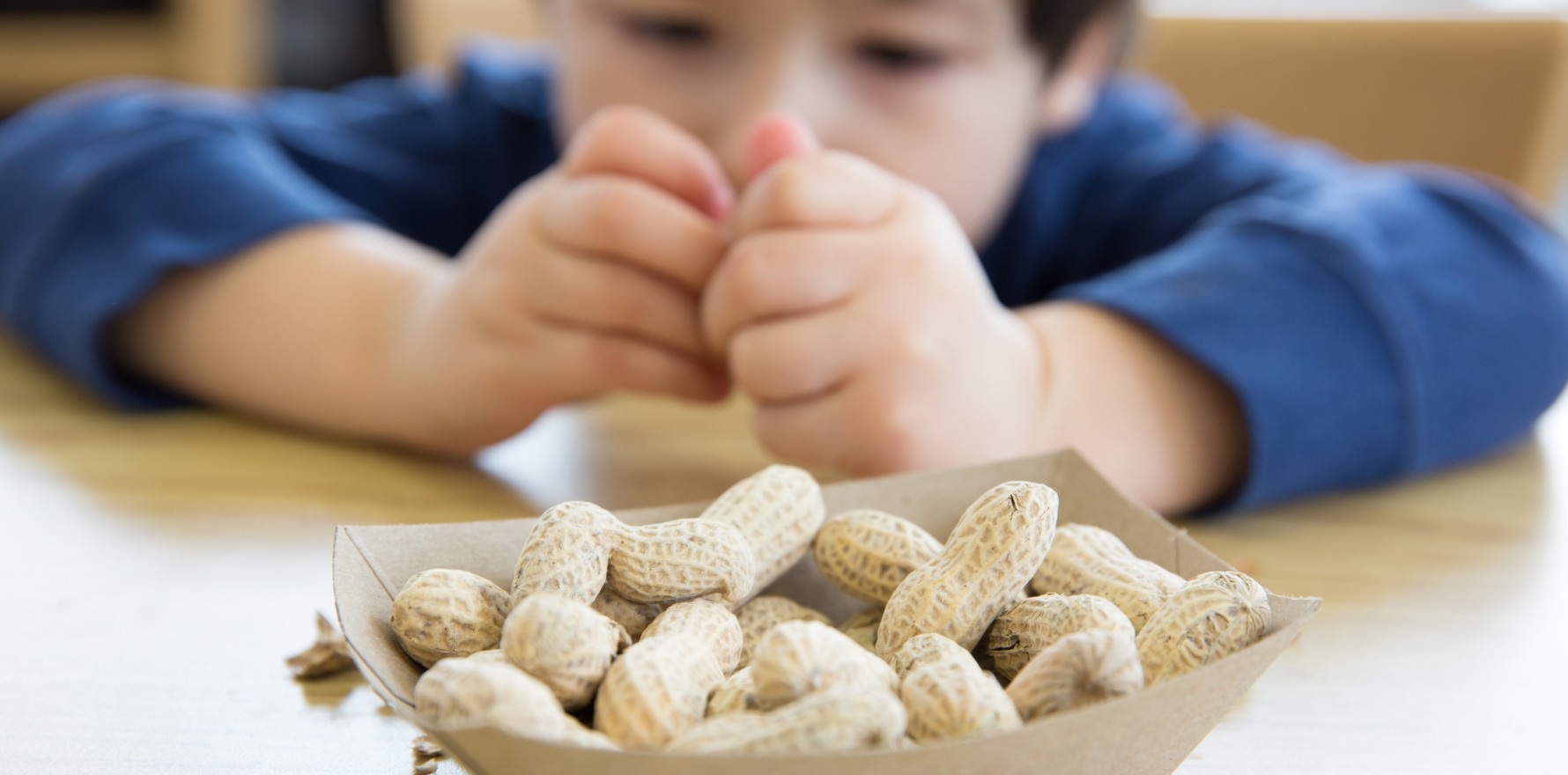
The previous guideline suggested introducing well-cooked whole egg and peanut (in paste or butter form) before the age of 12 months, but the update now recommends introducing these foods soon after solid feeding begins (recommendations 3 and 4).
Related


ASCIA also revised its guidance on ongoing allergen exposure, moving away from a twice-weekly intake goal to once a week, noting the limited evidence on optimal frequency and the practical realities of infant feeding (Recommendations 9, 10 and 11).
Recommendation 7 states that perioral rashes during or following consumption do not necessarily indicate allergy. If no other symptoms of an allergic reaction appear, the food should be tried again.
The updated guideline continues to recommend introducing the most common food allergens by 12 months of age, continuing breastfeeding for as long as possible and only introducing one new allergen per meal.
The 36th annual ASCIA conference will be held in New Zealand in early September.
