


After years of patchy uptake, ministers will mandate Health Star Ratings. But experts say flaws in design, sugar scoring and industry influence still threaten the system’s credibility.
Enter the supermarket and on some foods, you’re likely to see a Health Star Rating, giving a product a rating from 0.5 to 5 stars.
This front-of-pack labelling system was introduced in 2014 with the intention of helping Australians make healthier decisions at the checkout.
But uptake never reached critical mass.
Despite a target of 70% by November 2025, the Health Star Rating Monitoring Report for Year 5 (2025) found that only 39% of products in Australia displayed the stars and only 36% of products in New Zealand.
“Ministers expressed concern that the low uptake has limited the system’s effectiveness and undermined consumer trust,” Australia’s health ministers wrote after last week’s Food Ministers’ Meeting.
To combat this, they have agreed to mandate the HSR system across the Australia and New Zealand Food Standards Code, an important milestone executive manager of the Food for Health Alliance, Jane Martin, told The Medical Republic.
“What we saw with voluntary uptake … (some) manufacturers of packaged foods put it on their higher rated foods and then left it off the foods that got a lower rating, so they started to use it as a marketing tool,” she explained.
“Many businesses were reluctant to display the health stars when the ratings reflected poorly on their products or when their competitors weren’t using it.
“The thing about mandating this system is, it will create a level playing field for the food industry,” she said.
AMA federal president Dr Danielle McMullen agreed it was a good move.
“Making health star ratings mandatory is a win for consumers and a clear acknowledgment that voluntary approaches have failed,” Dr McMullen said.
“Clear, consistent labelling empowers people to make informed choices about what they are eating, and that matters when rates of overweight and obesity continue to climb across Australia.”
Making the ratings compulsory does not resolve deeper concerns about how the system works, however.
More work needs to be done
One observation from the Food Ministers’ meeting was that there was consumer confusion and misunderstanding about how to use health star ratings.
Ms Martin agreed.
“There’s some work to be done for people to understand that the system works best when you’re comparing products within a category. So, a yoghurt versus a yoghurt, not a yoghurt versus a biscuit,” she said.
She admitted that the algorithm for ranking foods was complex, considering things like energy, saturated fats, sugars, and salt.
“Total energy, saturated fat, sodium and sugar content get negative points, and then protein, fruit, vegetable, nut and legume content are positive points,” she said.
In a Conversation article, public health professor Mark Lawrence and Christina Mary Pollard highlighted that it was possible to manipulate the algorithm.
“This involves replacing so-called ‘risk nutrients’ with synthetic ingredients,” they wrote.
“For example, a company may replace sugar with certain sweeteners, or fats with emulsifiers and gums. They might also add new ingredients such as fibre powders that improve their scores without making the product any healthier.
“A study from 2020 found about three quarters of ultra-processed foods that display stars do so with at least 2.5 or more stars, giving them a ‘healthy’ pass mark.”
Suhit Anantula, architect of Co-Intelligent Organisations, wrote on LinkedIn that the algorithm was written based on 2014 logic and hadn’t adapted to what we know now about food processing, sugars and saturated fats.
From a technical point of view, he said there isn’t enough of an update mechanism, and the voluntary system has meant industry can threaten to leave if changes are too big.
The issue with sugar
One of the most contentious loopholes relates to sugar.
Ms Martin said there was a decision made early on that fresh or minimally processed fruits and vegetables and water would automatically get a five-star rating. But that doesn’t reflect modern dietary guidelines.
“Sugary fruit ingredients are the same as other sugars in foods, but they get positive points because they are derived from fruit,” she said.
“Once those sugars from fruit are processed, that’s something that should be fixed, because it’s a sugar to be avoided. That’s what the dietary guidelines say,” she said.
Dr McMullen said there needed to be a bigger strategy to improve Australia’s food environment, including greater investment in preventive health.
“This is a positive first step, but it cannot be the last,” she said.
“Labelling alone will not solve Australia’s obesity crisis. We need a comprehensive prevention agenda that addresses the overconsumption of unhealthy food and drinks, particularly those high in added sugar.”
Related

Potential solutions
Mandating the Health Star Rating may close the voluntary loophole, but it does not resolve broader concerns about how Australia tackles diet-related disease.
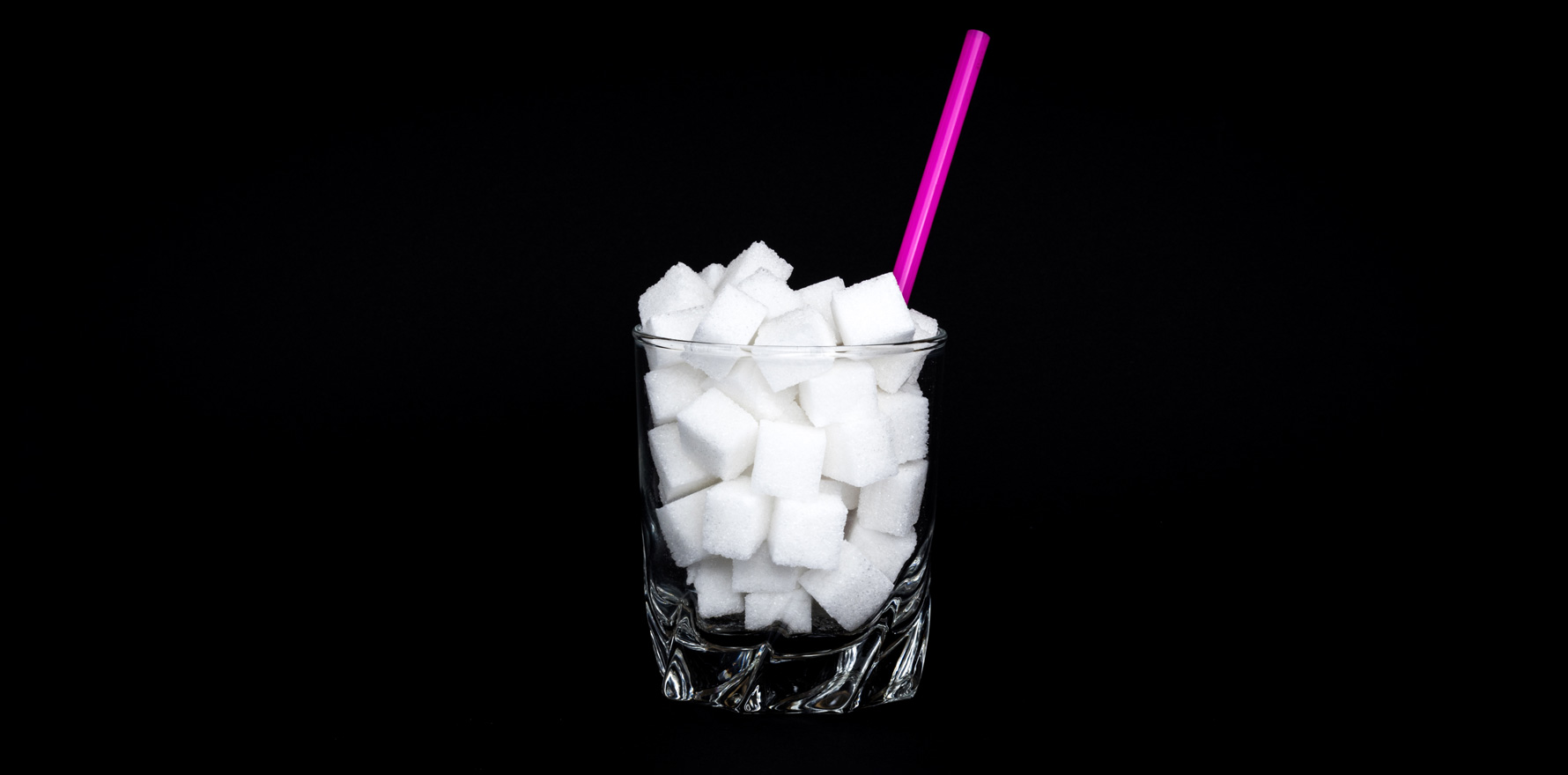
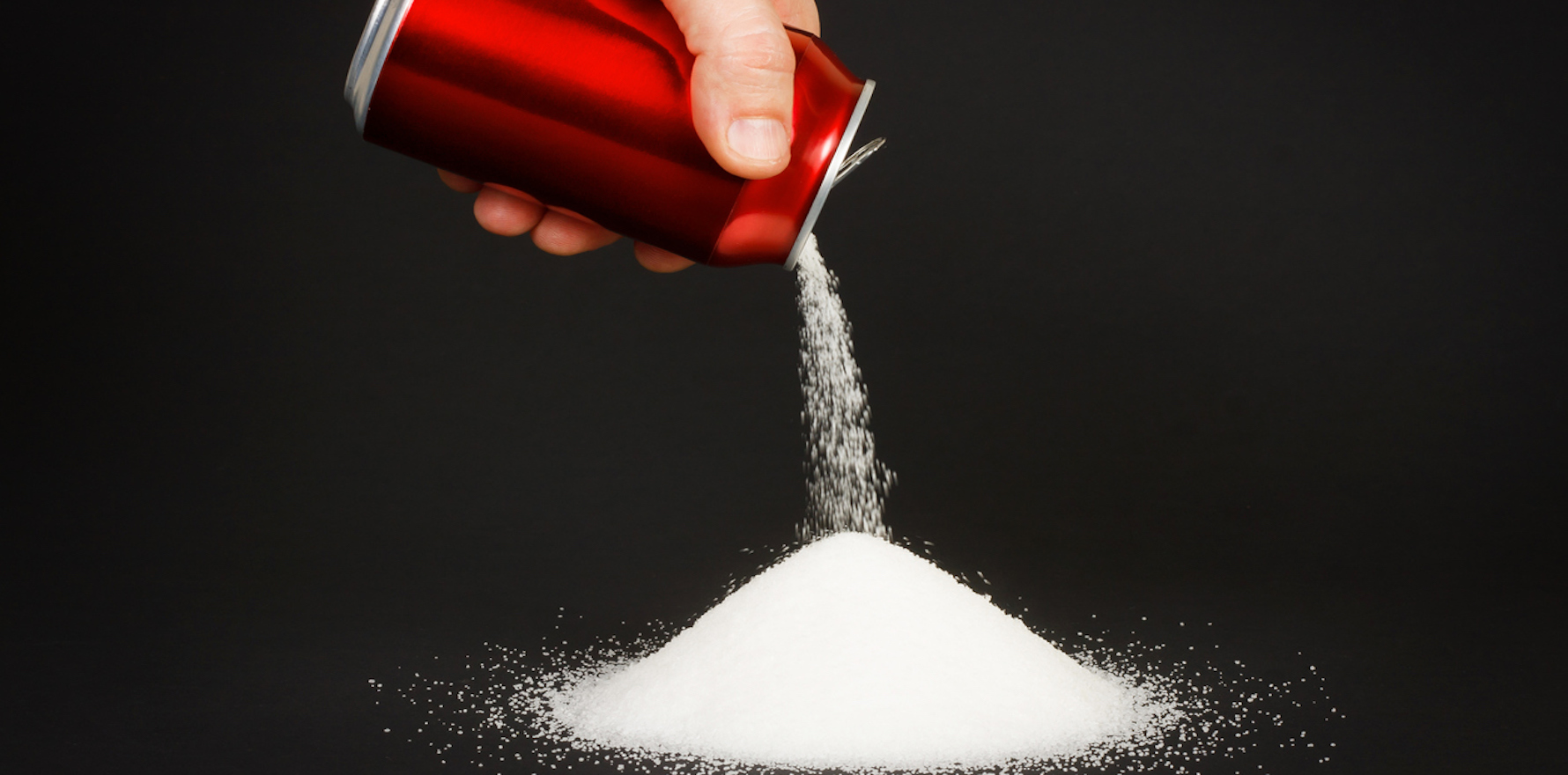
With Australians consuming more than 2.2 billion litres of sugary drinks a year, the AMA continues to advocate for the introduction of a tax on sugar-sweetened beverages.
“A tax on sugary drinks is one of the most effective tools governments can use to reduce consumption and improve health outcomes,” Dr McMullen said.
“Importantly, Australians support this reform, particularly when revenue is directed into obesity prevention and health promotion initiatives.”
Others argue the label itself needs to evolve.
Ms Martin believes adding colour could improve clarity and accessibility.
“We know that consumers already understand traffic light colours and that green is best and red should be avoided. So having green/amber/red as an overall score incorporated into the Health Star Rating could make the system more accessible,” Ms Martin said.
Professors Lawrence and Pollard go further, suggesting warning labels for products high in fat, sugar, salt or ultra-processed ingredients.
“A global study published in late 2025 suggests warning labels are the most effective way to reduce the consumption of ultra-processed foods. This is compared to other ranking-style labelling schemes such as Health Star Ratings,” they wrote.
Food Ministers also discussed mandating an “added sugars” label but stopped short of committing to it. Instead, they requested a further review of how sugar information could be presented in line with updated dietary guidelines once they are released.
Beyond tweaks to colour or wording lies a more structural question: how the algorithm itself keeps pace with emerging nutrition science.
Suhit Anantula argues policy settings need built-in mechanisms for “version control, continuous feedback, independent authority, transparency, testability, reversibility”.
For the health star ratings, that means reflecting current science.
“The algorithm needs to be updated to reflect the current science, dietary guidelines and the food supply. Just be consistent across the board,” Ms Martin said.
What undermines the efficacy of the system, however, is the food industry being at the table making the rules for implementation.
“The evidence has to be guided by public health and nutrition, not by the companies themselves who are profiting from the sale of these foods,” Ms Martin concluded.
