


A proposed pilot program has been slammed for being a ‘cheap shortcut’ to effective care.
The Tasmanian branch of the AMA has spoken out against a new government proposal that would see a pilot initiative test the effectiveness of paramedics as prescribers.
This initiative was proposed as part of political commitments to upskilling paramedics which AMA Tasmania has criticised, saying that “political promises must not override patient safety”.
“What we’re seeing is an increasing scope, whereby they’re effectively becoming mobile, pseudo, ‘Temu’ general practitioner services,” AMA Tasmania president Dr Michael Lumsden-Steel told The Medical Republic.
Dr Lumsden-Steel reaffirmed the AMA Tasmania stance that effective prescribing relies on extensive training and experience in managing clinical risk.
The Tasmanian government has not yet announced a roadmap for how this service will be integrated, funded or evaluated – a point which GP bodies have criticised, arguing that it comes at a time where general practice is under immense funding pressure.
The RACGP said that the initiative spawned from reported doctor shortages in the state, particularly in rural and regional areas.
“It was born out of lack of doctors, really,” RACGP Tasmania chair Dr Toby Gardner told The Medical Republic.
“What it is, is paramedics who work in some of these really small towns with regional hospitals that might not even have stable medical support, a little bit like nurse practitioners in emergency departments.
“It’s kind of just seeing people who would be seen in these regional hospitals, really not patients who are usually going to be making appointments to go into GPs.
“There’s no sort of rigour around how it’s going to be evaluated, whether it’s actually decreased people ending up in the tertiary hospitals, deteriorating further, or whether it’s actually decreased ambulance transfers as well.”
The RACGP has reported that there are currently nine paramedic prescribers operating, with the new proposal planning to increase the total to 27.
The RACGP has also reported record high numbers of GP trainees for Tasmania, which it suggested was a more efficient direction for government funds.
Related
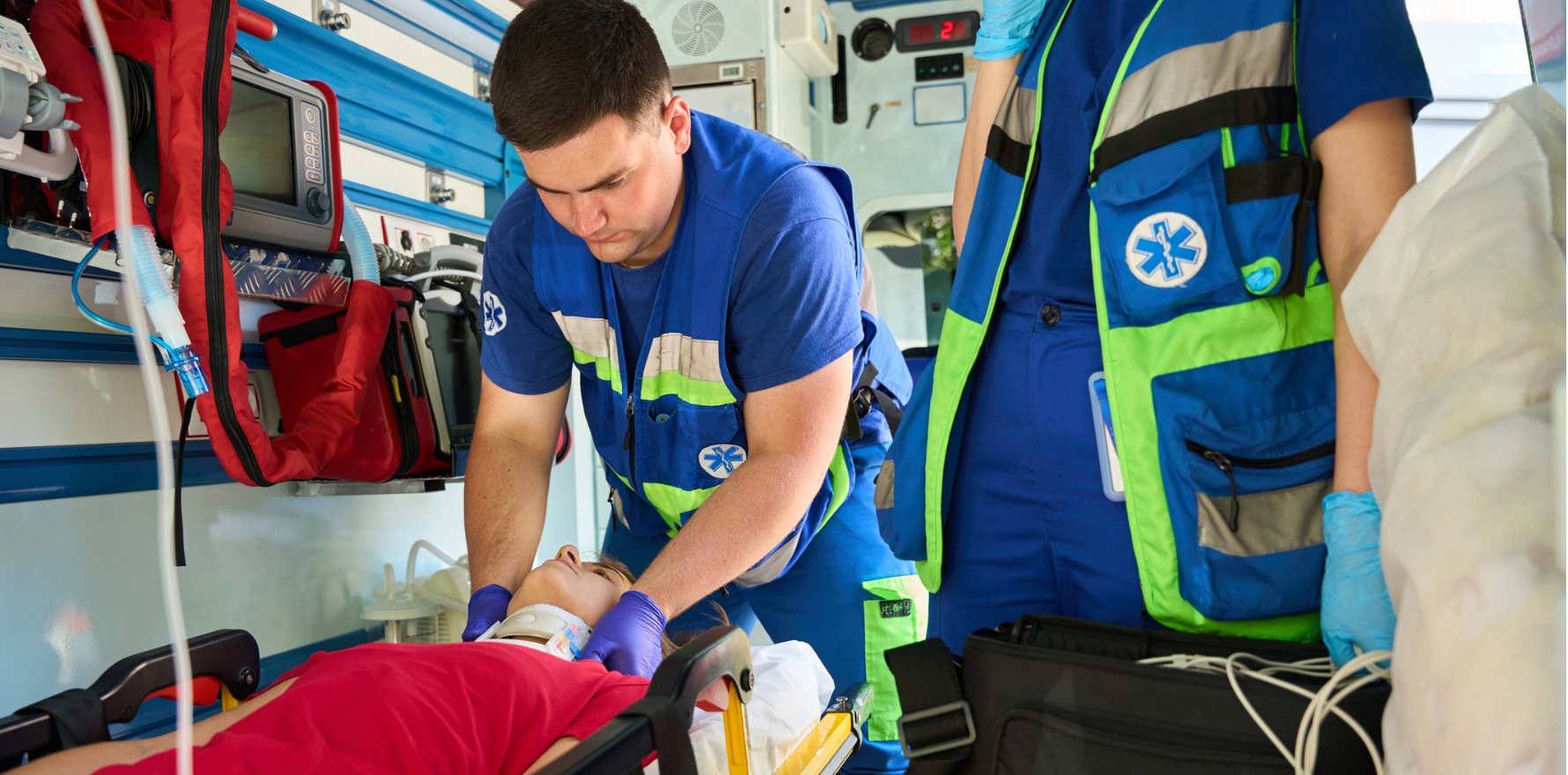


The AMA also called out the government for a lack of consultation; the last consultation on paramedic prescribing was 18 months ago.
“We are extremely concerned that the government is politicising and increasing the risk to patients by introducing shortcuts and alternative pathways to help patients access care,” Dr Lumsden-Steel told TMR.
“The solution for that is looking at how you build a sustainable healthcare model that is actually led by medical specialists.
“What we’re seeing now is that opposition pathways are being created by health practitioners to increase their scope approaches which is completely outside of how they’ve trained with their bachelor’s degrees and initial training.
“Now we support increasing access to healthcare, but what we don’t support is removing the safety and the governance that comes with having collaborative care.
“What’s fundamentally failed is the federal government has failed to invest in support, in building and supporting GPs, working in regional Australia.”
