

Researchers in the UK have developed a machine learning model that pairs with an electronic stethoscope to detect the hard-to-diagnose condition.
Could an AI-assisted stethoscope help reduce the time and cost it takes to diagnose valvular heart disease?
This is the question a research team from the UK set out to address in their new study, published in npj Cardiovascular Health.
Valvular heart disease is a leading cause of heart failure but often goes undiagnosed due to its subtle symptoms being difficult to detect by a stethoscope. Now, researchers have shown their AI-assisted approach has the potential to cheaply and quickly identify patients who need treatment for VHD.
“Valve disease is treatable. We can repair or replace damaged valves and give people many more years of healthy life,” said Professor Richard Steeds, a consultant in cardiovascular imaging at University Hospitals Birmingham in the UK and author of the new research.
“But timing is everything. Simple, scalable screening tools like this could make a real difference by finding patients before irreversible damage occurs.”
Researchers recruited 1767 patients from primary care and hospital settings across the UK who required a routine ECG as part of their clinical assessment. The gender distribution of patients was relatively even (915 males and 852 females), with most patients (1371) aged 65 years or older. Forty percent of patients were overweight (BMI 25-30), and a further 26% were obese (BMI 30+).
All patients underwent a detailed auscultation with an electronic stethoscope in addition to their ECG, with heart sounds recorded at the aortic, tricuspid, and mitral sites.
The ECG recordings detected clinically significant VHD in 793 patients (45% of the entire sample). Aortic stenosis was the most common valve lesion identified (325 patients), followed by mitral regurgitation (287 patients).
Data from 1504 patients were used to train the machine learning algorithm to detect degenerative VHD, while the data from the remaining 263 patients tested the algorithm’s ability to identify patients with a minimum mild stenosis or moderate regurgitation in one or more valves.
The machine learning algorithm was able to detect VHD with 72% sensitivity and 82% specificity at a threshold probability of ≥0.675. There was greater sensitivity for severe aortic stenosis and severe mitral regurgitation (98% and 95%, respectively), but lower sensitivity for VHD that is harder to detect by stethoscope (e.g., tricuspid regurgitation, 83%).
Listening to heart sounds at the tricuspid valve was deemed to be the most important position for auscultation (75% sensitivity for significant aortic stenosis and 64% sensitivity for significant mitral regurgitation). Unsurprisingly, incorporating the other two sites “substantially increased sensitivity across the spectrum” of detecting VHD.
The researchers also compared the machine learning algorithm to the performance of 14 GPs, where it significantly outperformed real people. The GPs tested had 62% sensitivity and 64% specificity for detected VHD after listening to the recordings of heart sounds taken from the electronic stethoscope.
“This multi-centre study demonstrates that a machine learning algorithm can effectively detect clinically significant VHD using heart sound recordings at standard chest auscultation sites,” the researchers wrote.
“Combined with an electronic stethoscope, the algorithm has the potential to serve as a quick, non-invasive screening tool for moderate or severe VHD, offering improved sensitivity and consistency than current primary care clinical algorithms, and triaged access to currently limited (and expensive) echocardiographic services.”
Related

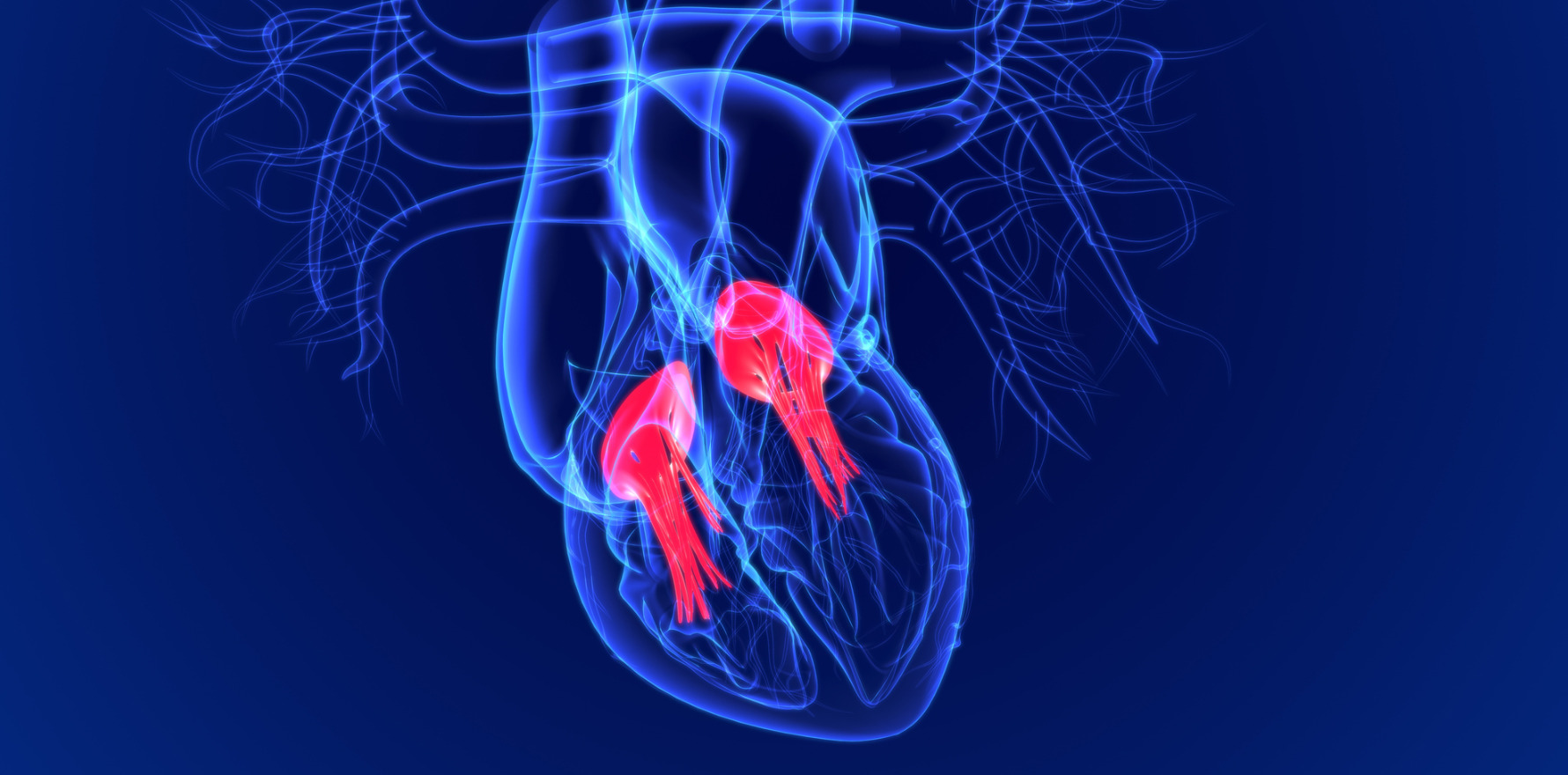

The researchers also stressed why having improved screening methods for VHD was important.
“Valve disease is a silent epidemic,” said Professor Anurag Agarwal, senior author and head of the Fluids group and Acoustics lab in the Engineering Department at Cambridge.
“An estimated 300,000 people in the UK have severe aortic stenosis alone, and around a third don’t know it.”
“By the time advanced symptoms develop, the risk of death can be as high as 80% within two years if untreated,” Professor Steeds added.
“The only current treatment is surgery to repair or replace the valve.”
However, the researchers acknowledged that their sample was not representative of the broader UK population, and that the results of the current study needed to be interpreted with caution.
“To provide sufficient VHD cases for model training and evaluation, we intentionally biased recruitment from hospital sites (including valve clinics),” they wrote.
“Real-life screening populations would have a lower prevalence of symptomatic and severely diseased patients, resulting in both a lower overall sensitivity and a lower positive predictive value.”
