

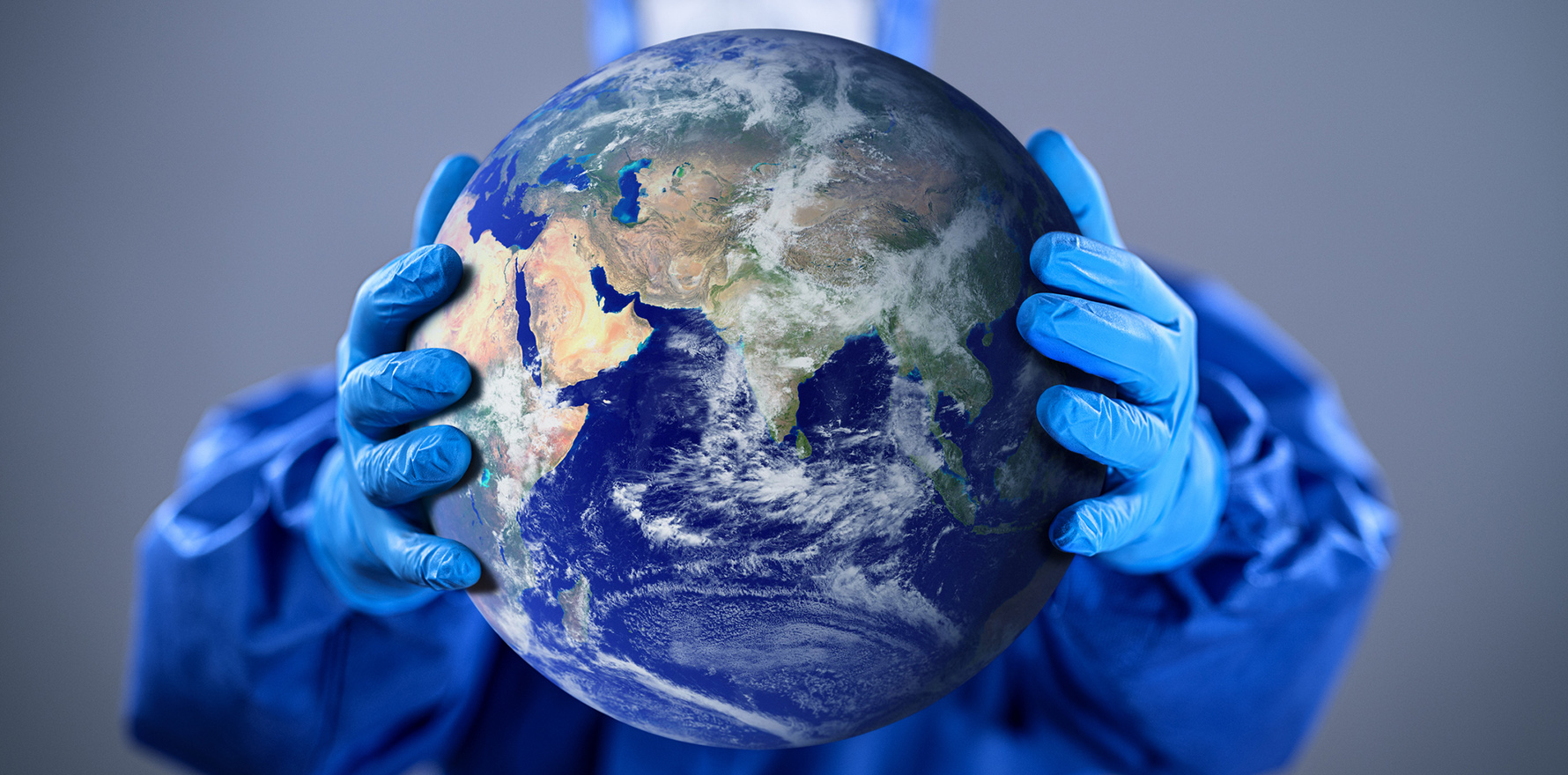
When health professionals speak about climate change, people listen because the issue ultimately comes back to patients, communities and wellbeing.
It is increasingly obvious that human health is shaped by the health of our environment and it is increasingly plain that treating the effects of climate change, pollution and other threats facing our planet’s health are part of our remit as doctors.
There would be few GPs in Australia now who have not seen these impacts first-hand.
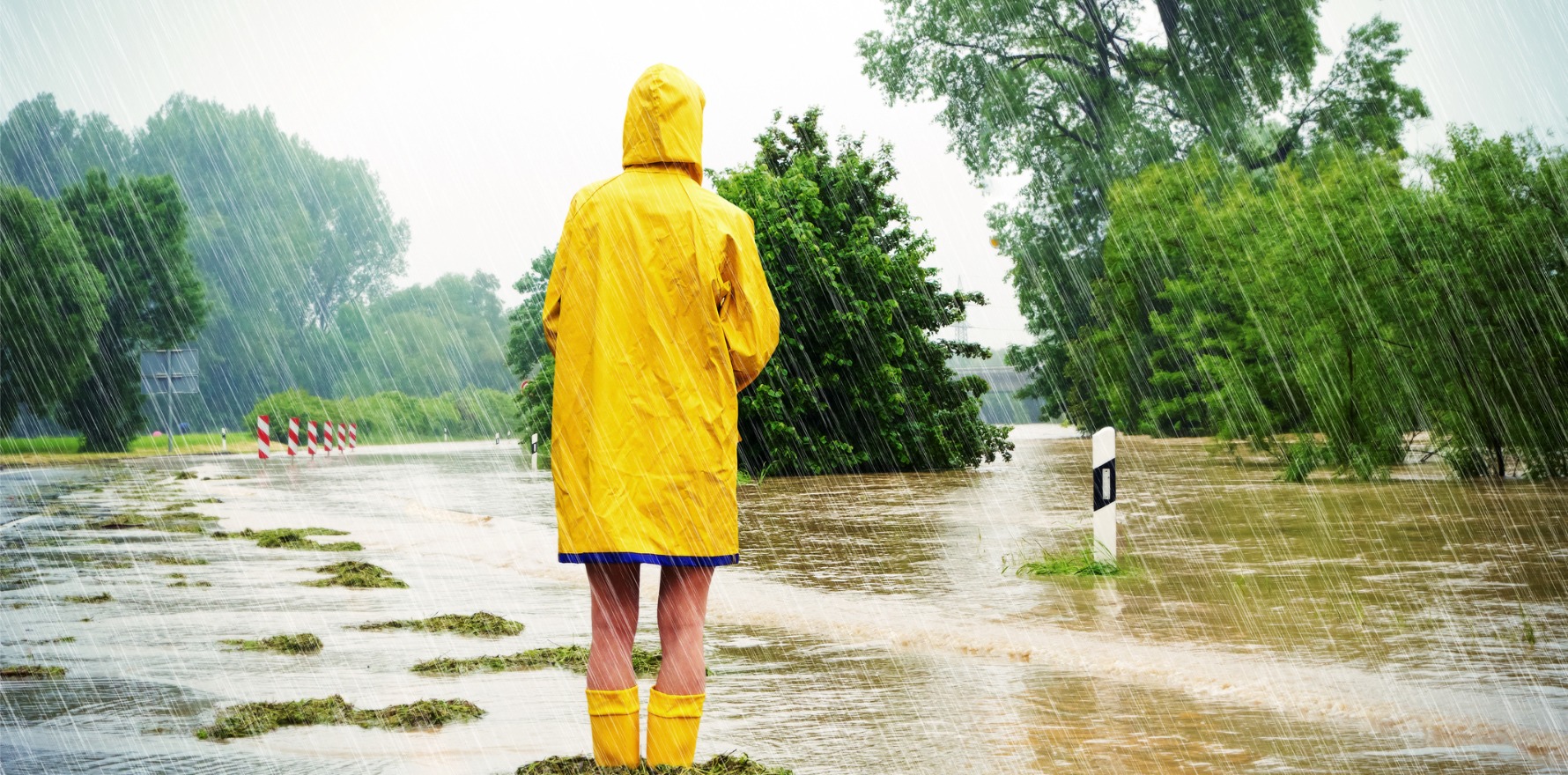
We see the consequences of hot days and heatwaves, of fires and smoke, and of floods and storms playing out in our communities and in our consulting rooms. We are noticing the widening range of mosquito-borne illness, the pressures that our fossil fuel dependency places on the cost of living, and the profound mental health impacts that follow climate-driven events and the awareness that the planet is changing around us.
These problems have been brewing for a very long time.
The greenhouse effect was first described by Eunice Foote in 1856. More than a century later, in 1988, the NASA climatologist James Hansen testified before the US Senate, clearly outlining that the burning of fossil fuels was driving global heating and altering our climate. Later that same year, the Intergovernmental Panel on Climate Change was established.
If only we had all listened then.
Some did – 25 years ago, two forward-thinking doctors, David Shearman and Tony McMichael, recognised something that is now increasingly clear to those paying attention: that a healthy planet is fundamental to healthy people.
Acting on that understanding and embracing their sense of professional responsibility, they founded Doctors for the Environment Australia in 2001, with the mission of protecting health through care of the environment.
Over the past 25 years, DEA has established itself as a leading medical voice on health and climate. We have consistently shown up for our planet’s health, advocating within the medical profession and the broader community for emissions reduction, protection of the natural world, and more sustainable healthcare systems.
Related
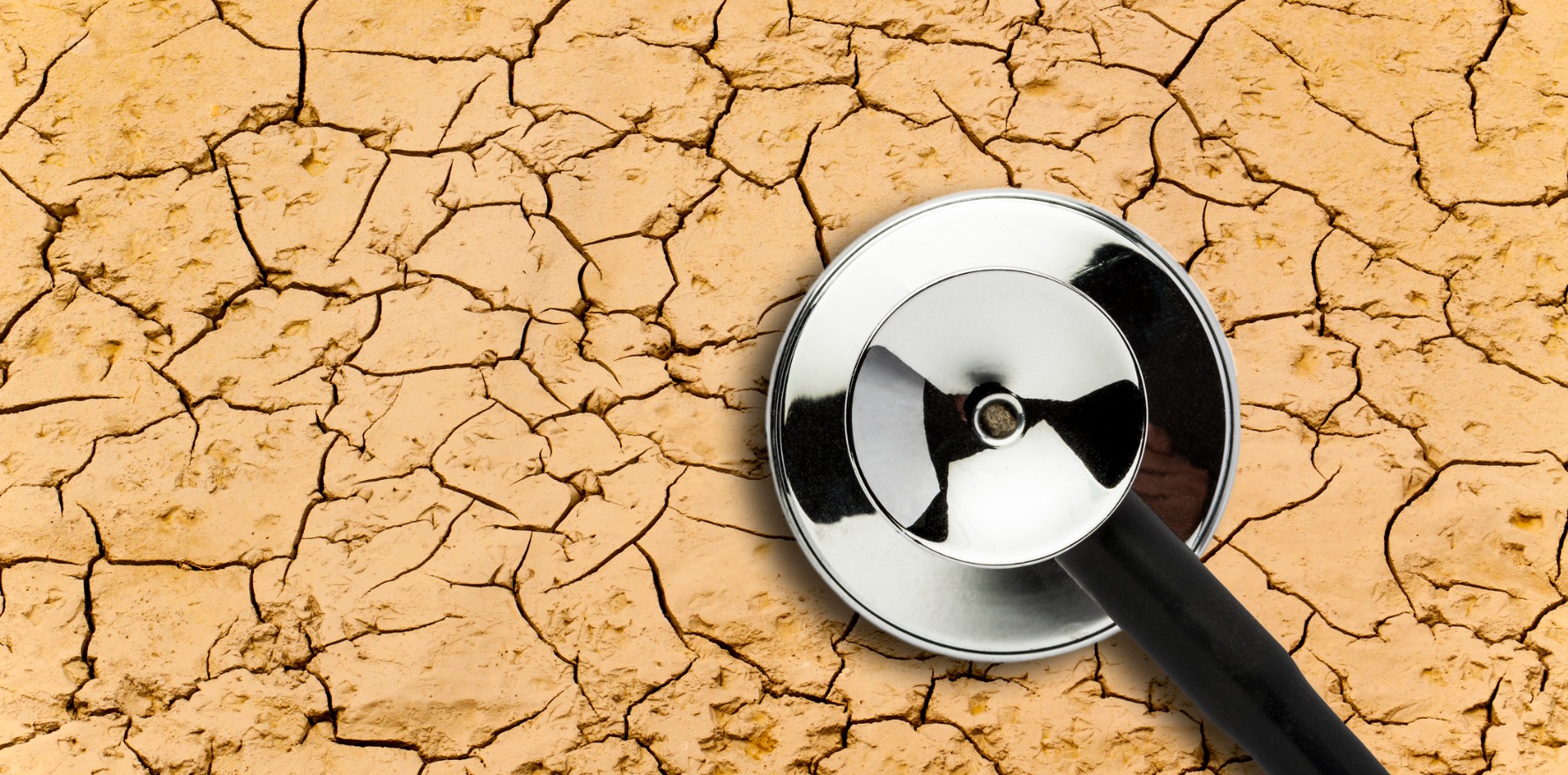

That work has taken many forms. We have ensured climate change is in the medical curriculum, advocated successfully for a national health and climate strategy and lobbied medical colleges to declare a climate health emergency. We have petitioned parliaments to move on from our dependency on fossil fuels, supported the protection of trees and biodiversity, and drawn attention to the growing health risks posed by plastics and environmental degradation.
Most recently we undertook a judicial review in the High Court of the government regulators’ approval of the environmental plan for Woodside’s Scarborough Gas project, due to our concern that the plan would harm human and environmental health.
We do this because we understand that the challenges to our planet’s health are immense and of vital importance.
I joined DEA almost 10 years ago, because of my increasing awareness of climate change and my desire as a doctor to try and help.
After reading the Lancet Commission on Climate Change’s report describing climate change as the greatest global health threat of the 21st century and then the 2018 MJA–Lancet Countdown report on health and climate change, I could not sit idly by and watch while such an enormous threat to health was being largely ignored by governments and, sadly, by our health institutions.
Around that time the IPCC released its 1.5°C report which states that for us to have a 50% chance of limiting global heating to 1.5°C we need to halve global emissions by 2030 and reach net zero by 2050.
Reading this evidence was, quite frankly, world-shifting. It crystallised for me that climate change was not just an economic and political issue, it was deeply and unavoidably a health issue and therefore something we need to treat.
So I joined DEA, and I became involved in climate and health action.
From the first state DEA meeting, where I quietly sat in the corner, I gradually increased my level of involvement to talks at local libraries, to writing articles, to serving as chair of the RACGP’s climate and environmental medicine special interest group and now finding myself as executive director of DEA.
During that same period, the issues have become increasingly visible in general practice.
We are now seeing climate impacts unfold in real time. A few weeks ago, Adelaide experienced its hottest ever overnight minimum of 34°C, and at my next shift every patient I saw commented on the heat and the majority of them had felt the effects on their health and well-being.
As I write, we have flooding in the Top End impacting water security, and we are all feeling the increase in costs brought about by drought and extreme weather as well as by our dependence on the global oil supply.
Encouragingly, we are also seeing momentum within the profession.
Our GP colleges and broader medical organisations are increasingly engaging with climate and health, recognising both the risks and our responsibility to respond.
DEA has been part of shaping this shift. We have contributed to our profession practicing sustainable healthcare, to understanding within governments of the need to protect nature and reduce emissions and consistently highlighted the health harms of fossil fuels.
What we are most proud of is that doctors have used their knowledge, credibility and commitment to public health to help shape both the medical and political landscape. When health professionals speak about climate change, people listen because the issue ultimately comes back to patients, communities and wellbeing.
This year, Doctors for the Environment Australia turns 25. It is a moment to reflect on how far the conversation has come and how much further we still need to go.
We will be marking the milestone with a gala evening to celebrate the people who have contributed to this work and to the growing community of health professionals who recognise that caring for the planet is part of caring for our patients. If you share that view, we would love you to join us.
Dr Kate Wylie is executive director of Doctors for the Environment Australia.
