

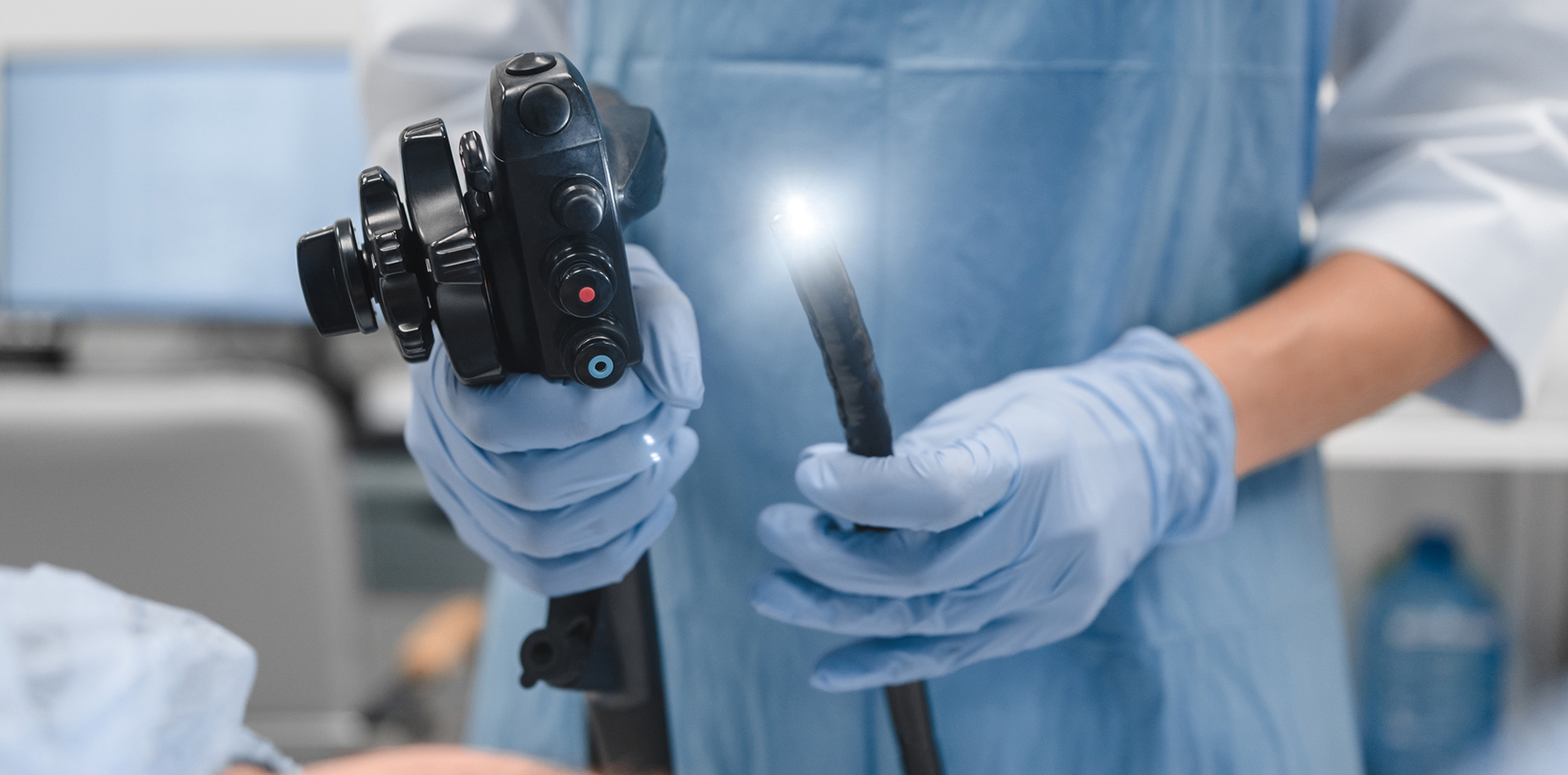
A unified referral system is reducing unnecessary procedures and easing clinic pressure, with new data showing safer, faster access to care.
A single digital front door for endoscopy referrals is reshaping how patients move through the system, cutting unnecessary procedures and freeing up clinics, according to new Australian research and frontline clinicians driving the change.
A study led by the Central Adelaide Local Health Network showed a purpose-built digital referral pathway could safely reduce low-value care while accelerating access for those who need procedures most.
The model replaced fragmented, paper-based triage with a unified, trackable system that applied consistent clinical criteria across sites, the researchers said.
Since launching in October 2023, the pathway has processed 14,588 referrals, with more than a quarter (25.3%) deemed unnecessary and safely declined without a procedure.
At the same time, demand for new outpatient appointments in gastroenterology and colorectal units dropped by more than half, easing pressure on clinics and waitlists.
Professor Jane Andrews, a senior author and gastroenterologist at the Royal Adelaide Hospital and University of Adelaide, and board chair and medical director of Crohn’s Colitis Cure, said the shift was as much about fixing system design as clinical decision-making.
“We don’t need to do more colonoscopies – we just need to do them in the right people at the right time,” she told The Medical Republic.
“Not every referral, not every request, should result in a test, but if you don’t have a platform that in that enables a consistent decision point, then, as we’ve outlined in the article, it’s almost entirely predictable that you will get inconsistency in care and lots of low value care, because most people find it harder to say no than to say yes.”
Endoscopy is one of the most common procedures in Australia, with colonoscopies alone exceeding 900,000 annually.
Despite strong guidelines, adherence has been inconsistent, contributing to unnecessary procedures that can delay care for higher-risk patients and strain public resources, a pattern repeatedly highlighted by the Australian Commission on Safety and Quality in Health Care.
The digital pathway tackled that variability head-on, said the researchers.
Referrals entered a single queue, were triaged by trained endoscopy nurse specialists using embedded criteria and could be tracked from submission to outcome.
Patients completed health questionnaires and consent forms online, allowing many to bypass pre-procedure outpatient visits altogether.
For patients, the benefits were immediate in many cases, said Professor Andrews.
“One lady told me it was fantastic, a few clicks and it was done,” she said.
“She didn’t have to travel, didn’t have to spend money on petrol or take time out just to be told she was fine to proceed.”
Related



The researchers said the model not only improved convenience but also clinical quality. Standardised triage removed duplication, reduced inappropriate repeat procedures and ensured those with urgent indications were prioritised.
It also provided real-time data on referral volumes, wait times and adherence to guidelines, visibility that was previously impossible in paper-based systems.
Before implementation, referrals moved between multiple units with little transparency, creating inconsistent pathways and hidden delays.
“For the first time, we had the whole waiting list in one place,” Professor Andrews said.
“It turned out it wasn’t longer, it was just visible.”
The researchers argued the approach offered a scalable solution for high-volume procedures beyond endoscopy, particularly where indications were well defined.
They also pointed to broader system benefits, including cost savings and reduced harm from unnecessary interventions.
“This platform would probably need to be sited at either large local health district, local health network level, or at state level, just because of the way our health system is organised,” said Professor Andrews.
“But it equally could be taken on by the Australian National Digital Health Agency, and it could be part of my health record. There’s any number of ways this approach could be applied.”
But the transition has not been frictionless. Changing entrenched workflows and redistributing decision-making authority proved challenging, with some clinicians wary of losing autonomy despite being involved in developing the triage criteria.
“The big issue is persuading medical staff to actually adopt these systems,” Professor Andrews said.
“People say they want to fix waiting lists and make care fairer, but when you change how decisions are made, it can feel uncomfortable.”
Even so, she believes the evidence is now too strong to ignore.
“We’ve shown you can safely decline about 25 per cent of referrals without harming patients,” she said.
“That’s capacity you can redirect to people who genuinely need care.”
The researchers called for broader adoption, potentially at state or national level, and integration with existing digital health infrastructure. Professor Andrews said the technology to support this already existed.
“We do this seamlessly in banking and retail,” she said.
“Why aren’t we enabling healthcare in the same way?”
The researchers agreed in their conclusion.
“A single digital entry point for endoscopic procedures is feasible and can be done. It enables a health service to deliver a more consistent and reliable service and to have the data to support a robust assurance framework,” they wrote.
“It can reduce harm and save costs by reducing LVC, in the endoscopy suite and outpatients.
“This creates additional internal capacity for progressing referrals for those in need without additional resources consumed.
“This approach helps avoid capacity and waitlist issues recently highlighted in NSW [in media reports referring to patients waiting for up to a year for cancer diagnoses at a Sydney hospital] making implementation worth considering more broadly.”
