

Researchers hope the landmark project will reveal why the rare stroke-causing condition develops and pave the way for earlier diagnosis and better treatment.
Macquarie University researchers have launched the first dedicated genetic study of Moyamoya disease in Australian and New Zealand patients.
The moves marks what investigators say is a world first for the region and a significant step towards uncovering the causes of the rare but devastating cerebrovascular disorder.
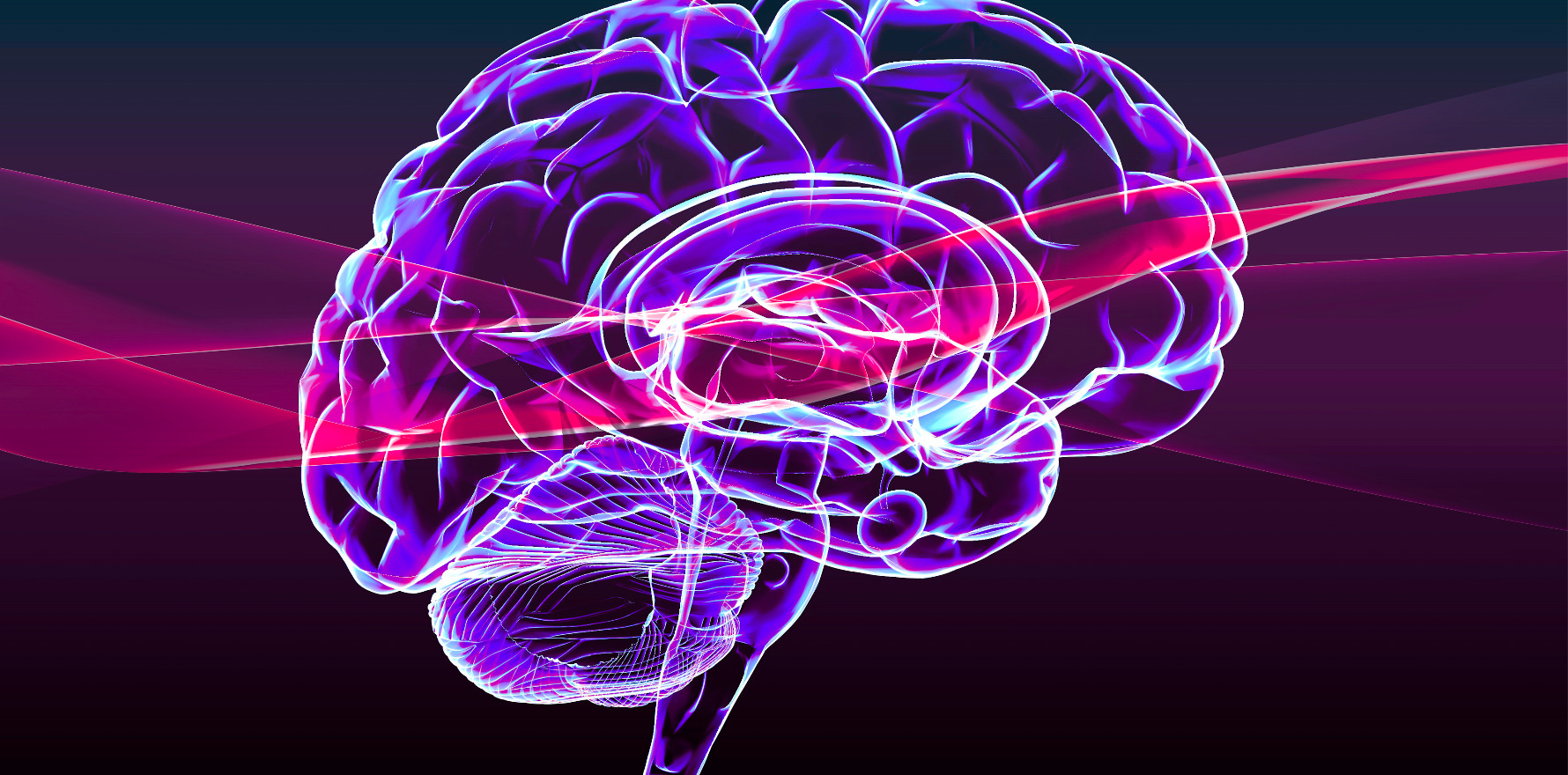
The study, led by neurosurgeon Professor Marcus Stoodley, will analyse DNA from patients across Australia and New Zealand to identify genetic factors associated with Moyamoya disease, which causes progressive narrowing of the arteries supplying blood to the brain and dramatically increases the risk of stroke, brain haemorrhage, seizures and permanent neurological disability.
Despite advances in cerebral bypass surgery that can restore blood flow and reduce stroke risk, the underlying cause of the disease remains unknown.
Moyamoya disease affects an estimated one in 100,000 people and has been most extensively studied in Japanese and East Asian populations, where it is more common.
However, Professor Stoodley said clinicians had long recognised that the disease often presents differently in Western populations, highlighting the need for population-specific genetic research.
“This is the world’s first dedicated genetic study investigating Moyamoya disease in Australian and New Zealander populations,” he said.
“If we can identify the genetic factors responsible, we have the potential to improve diagnosis, identify people at risk earlier, better understand the disease process and ultimately improve outcomes for patients around the world.”
The project has been made possible through more than $100,000 raised by patient advocacy group Moyamoya Australia, which was established by Far North Queensland mother Nicola Baker after her son Jed suffered multiple strokes as an infant before receiving a diagnosis.
Researchers have already collected DNA samples from seven patients, including the study’s first participant, Robert Finn, who underwent life-saving surgery after being diagnosed in his early twenties.
Professor Stoodley said expanding recruitment across Australia and New Zealand was now the priority.
“Because Moyamoya disease is so rare, every participant strengthens the research,” he said.
“We are encouraging patients and neurosurgeons from across Australia and New Zealand to become involved so we can build a comprehensive genetic database that has the potential to benefit patients worldwide.”
While rare, Moyamoya disease can affect people of any age, with children more likely to experience ischaemic strokes or transient ischaemic attacks and adults at greater risk of intracranial haemorrhage.
Diagnosis often relies on characteristic imaging findings showing a network of fragile collateral blood vessels that develop as the brain attempts to compensate for progressive arterial narrowing.
Related

The appearance resembles a “puff of smoke” on angiography, giving the disease its Japanese name.
Although surgical revascularisation has substantially improved outcomes for many patients, there are currently no treatments that prevent the disease from developing, making research into its underlying biology a key priority.
Ms Baker said families had spent decades searching for answers about why the condition occurs.
“When Jed became ill, we discovered just how little was known about Moyamoya disease and how difficult it could be for families to find answers,” she said.
“Families living with Moyamoya disease have been asking ‘why’ for decades. This world-first study gives us genuine hope that we are finally getting closer to those answers.”
Mr Finn, now 36, said participating in the study was an opportunity to help future patients.
“When I was 23, Professor Stoodley told us that without surgery I might not make it past my 24th birthday,” he said.
“A week later I had my first operation. I’ve just celebrated my 36th birthday. That’s 12 years I never thought I’d have.
“If my DNA can help researchers understand why this disease happens and save someone else’s life one day, then every test is worth it.”
The researchers and Moyamoya Australia are now calling on patients diagnosed with Moyamoya disease throughout Australia and New Zealand, together with their treating neurosurgeons, to enrol in the study.
They hope broader participation will accelerate genetic discoveries that could improve diagnosis, identify people at increased risk and ultimately guide more personalised approaches to treatment.
