

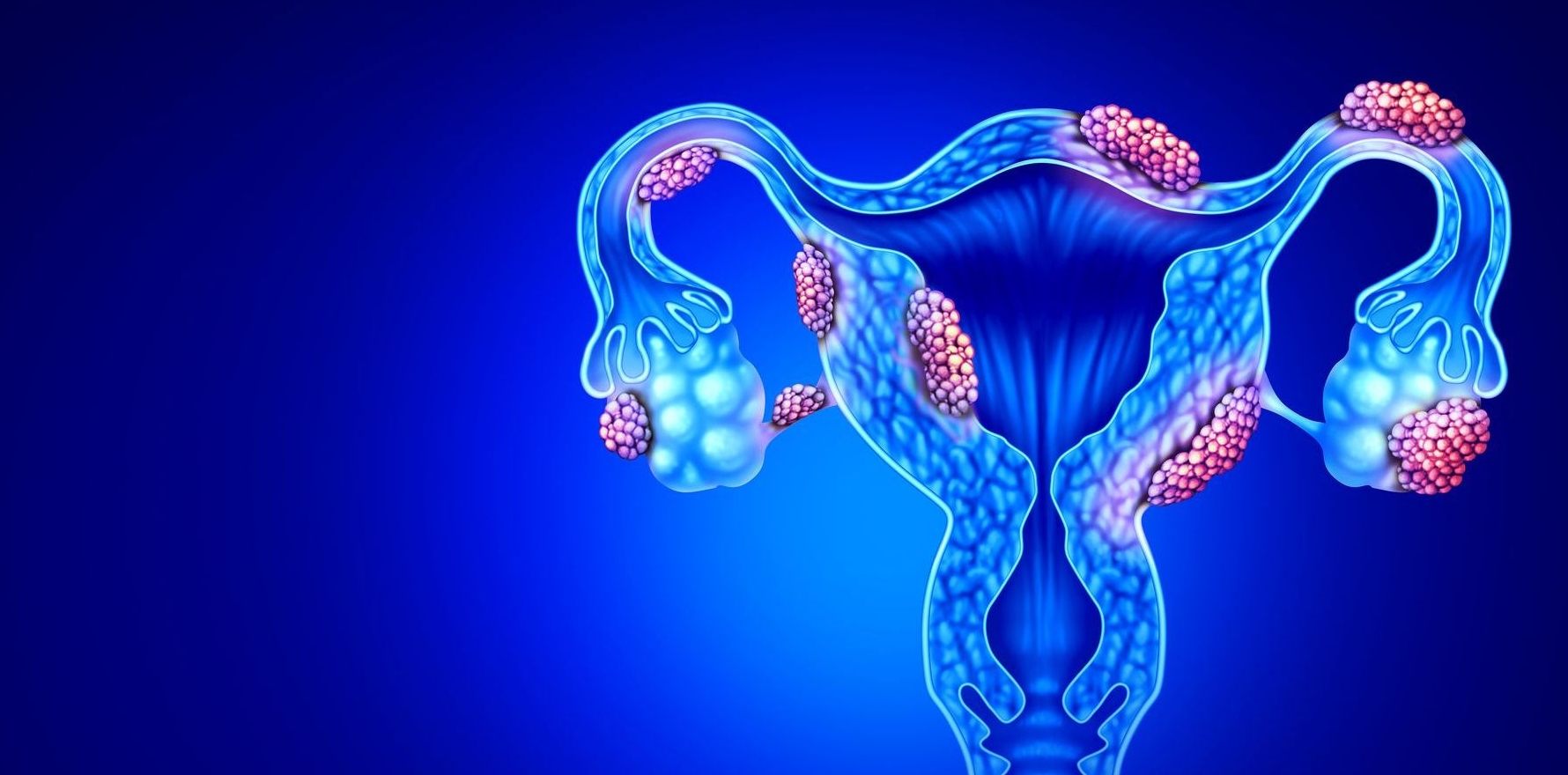
The Australian Institute of Health and Welfare has released data on endometriosis-related hospitalisation and, for the first time, the surgical procedures used to treat the chronic condition.
New data from the Australian Institute of Health and Welfare has revealed that endometriosis-related hospitalisations have increased by 23% in the last 10 years.
The figures, published in the recent Endometriosis hospital procedures report, show that the rate of hospitalisations for endometriosis are increasing at a greater rate than the general hospitalisation rate for females.
“This report is important for understanding changes in treatment and care pathways, and for informing efforts to improve health outcomes for people affected by endometriosis,” said Amy Young, a spokesperson for the AIHW.
In the decade between 2015-16 and 2024-25, the number of endometriosis-related hospitalisations rose from 17,600 to 24,700 while the rate of hospitalisations increased from 145 per 100,000 females to 180 per 100,000. This translates to a 40% increase in the number and a 23% increase in the rate of hospitalisations, with both figures being far greater than the 20% and 4.7% increase in the number and rate of female hospitalisations overall.
“These increases are likely influenced by growth in the awareness of endometriosis among the general population and medical practitioners in recent years, as well as advances in our understanding of endometriosis as a disease and improvements in the medical technology available for diagnosis,” the report reads.
Despite the increase in the number and rate of hospitalisations, there was a slight decrease in the proportion of hospitalisations that involved a procedure: 91% in 2024-25, down from 94% in 2015-16.
Most endometriosis-related hospitalisations in 2024-25 involved laparoscopic excision of lesions in the pelvic cavity (52%), a keyhole procedure where endometriosis deposits are removed. There has been a 62.1% increase in the use of laparoscopic excision since 2015-16, when only 6900 procedures were performed.
Laparoscopic excision was the most common procedure in three of the four age groups considered by the report – under 25s, 25-34s, and 35-44s – performed in 59%, 59%, and 49% of patients (respectively). The use of laparoscopic excision declined significantly in the oldest age group, the ≥45s (27%, the fifth most commonly performed procedure), behind laparoscopic total abdominal hysterectomy (where the uterus is removed via keyhole surgery, 37%) and laparoscopic division of abdominal adhesions (33%).
Diagnostic hysteroscopies (an examination of the uterus) and dilation and curettage of the uterus (where the lining of the uterus is removed for investigation) were the next most common procedures, involved in 45% and 38% of hospitalisations, respectively. Both procedures saw a ≥25% increase in usage from 2015-16 to 2024-25 (25.7% for diagnostic hysteroscopy and 27.0% for D&C).
There was also a significant increase in the number of intrauterine devices inserted. The number and rate rose from 2300 (19.1 per 100,000) in 2015-16 to almost 4000 (28.7 per 100,000) in 2024-25; a 50.6% increase over the course of the decade or a 4.2% average annual increase.
“This aligns with clinical guidelines which recommend the use of hormonal treatments after laparoscopic surgery to help reduce the recurrence of symptoms,” Ms Young said.
Related

In contrast, the use of laparoscopic diathermy dropped by 21% over the decade included in the report, from a rate of 32.4 per 100,000 in 2015-16 to 25.5 per 100,000 in 2024-25. This was the only procedure amongst the top 10 most common procedures to see a decrease in its usage between 2015-16 and 2024-25.
Roughly one in 10 endometriosis hospitalisations were recorded as emergency admissions, up from the 7.8% reported in 2015-16. However, the report noted that while most emergency admissions came through the emergency department, these figures did not reflect the number of presentations to, or the care provided in, an ED setting.
“Greater emergency admissions could relate to challenges accessing treatment or managing symptoms in primary care, resulting in the need for urgent hospital care,” the report said.
The report also detailed how an increasing number of endometriosis surgeries are being performed in private hospitals. In 2024-25, 71% of endometriosis hospitalisations that involved a procedure – some 16,000 episodes – occurred in private hospitals. This is an increase from the 66% of hospitalisations involving a procedure in 2015-16. Private hospitals also performed a wider range of procedures in 2024-25 compared to public hospitals (453 unique procedures compared to 368).
The full report is available via the AIHW website.
