


Beyond Blue’s latest survey has asked about the use of generative AI for the first time, finding that AI is the third most commonly used source of mental health support.
More Australians are seeking help for their mental health, but generative AI is now the third most commonly used source of mental health support, new research by Beyond Blue has found.
Beyond Blue’s latest Australian Mental Health and Wellbeing survey, released today, also found that AI has rapidly become part of mental health support options for younger people and those with mental health challenges.
The rise of generative AI as a mental health support tool highlights the unmet need for immediate mental health support in the community and design principals that prioritise user safety, the report warns.
The findings come as a new position statement by the AMA calls for better continuity of care for people with severe mental illness, not just episodic care that leaves people to fall through the cracks.
Beyond Blue’s survey of more than 5000 adults found that more Australians are seeking support for their mental health, with 41% getting help in 2026 compared with 37% in 2022.
And fewer people are delaying seeking support or going without any support, with the number decreasing from 22% in 2024 to 19% this year.
The survey found that 50% of respondents reported recent symptoms of anxiety or depression, a figure only slightly higher than 2024 (49%) and a steady increase on 2022 (46%). Young adults aged 25 to 34 and women reported a higher prevalence of anxiety and depression symptoms.
Global conflict, cost of living pressures and housing affordability were the biggest causes of mental health distress. Financial pressure was a leading cause of stress for 46% of people, followed by work-related stress (37%) and relationship challenges (30%).
But cost was the main barrier to seeking support, with 43% of respondents who delayed or went without support reporting that they couldn’t afford it.
Clinical psychologist and Beyond Blue spokesperson Dr Luke Martin said the survey found that there has been an increase in the number of people seeking both professional and personal support in the previous two years.
“We also saw that reaching out was happening at lower levels of distress,” Dr Martin told The Medical Republic.
In 2026, 22% of people experiencing lower levels of distress sought support, compared with 16% in 2024.
“We also saw a corresponding decrease in those who were extremely distressed – 23% of people reaching out were extremely distressed in 2024, and that was down to 19% in 2026.
“So there’s a trend here [of] that earlier support seeking, which is exactly what we’ve been asking the community to do for a number of years now.
“On the one hand, the need for support does appear to be growing, but on the other hand, the fact that people are reaching out sooner is encouraging as well.”
Dr Martin said making mental health support more accessible to people at lower levels of distress or during stressful life events would reduce the knock-on effects to their mental health in the future.
“Prevention and early intervention [could] stop this tendency for problems to snowball until a crisis point, which fuels this very crisis-driven approach to mental health that we have usually,” he said.
The Medicare Mental Health Check-in was one example of low-intensity early intervention support for people in situational distress or lower levels of mild to moderate depression or anxiety, he said.
One in six use AI despite concerns
The survey, which has been conducted every two years since 2022, asked participants about their use of generative AI for the first time this year.
While GPs, psychologists, friends and partners were the main sources of support, one in six adults (16%) used generative AI for mental health advice or support.
While 19% of respondents used generative AI for mental health support at least once a week and 6% used it daily, most did not use it often, with 68% reporting that they used it only a few times a year or less.
“Generative AI’s rapid emergence in the mental health landscape highlights the need for appropriate regulatory guardrails and safety-by-design principles to ensure people can use these technologies safely and with confidence,” the report said.
“Despite the rise of generative AI as a source of mental health support, known people and mental health professionals remain the most trusted and turned to support sources.”
The survey also found that 7% of respondents said they used generative AI instead of seeking professional support, 6% used AI before deciding whether to seek professional support and 5% used it as well as professional support.
The appeal of using generative AI was in ease of access and convenience, with the ability to access support immediately, privately and at little or no cost, the report said.
But 86% of respondents said they were concerned about the accuracy, reliability and empathy of AI and the risk of being given harmful information.
Related
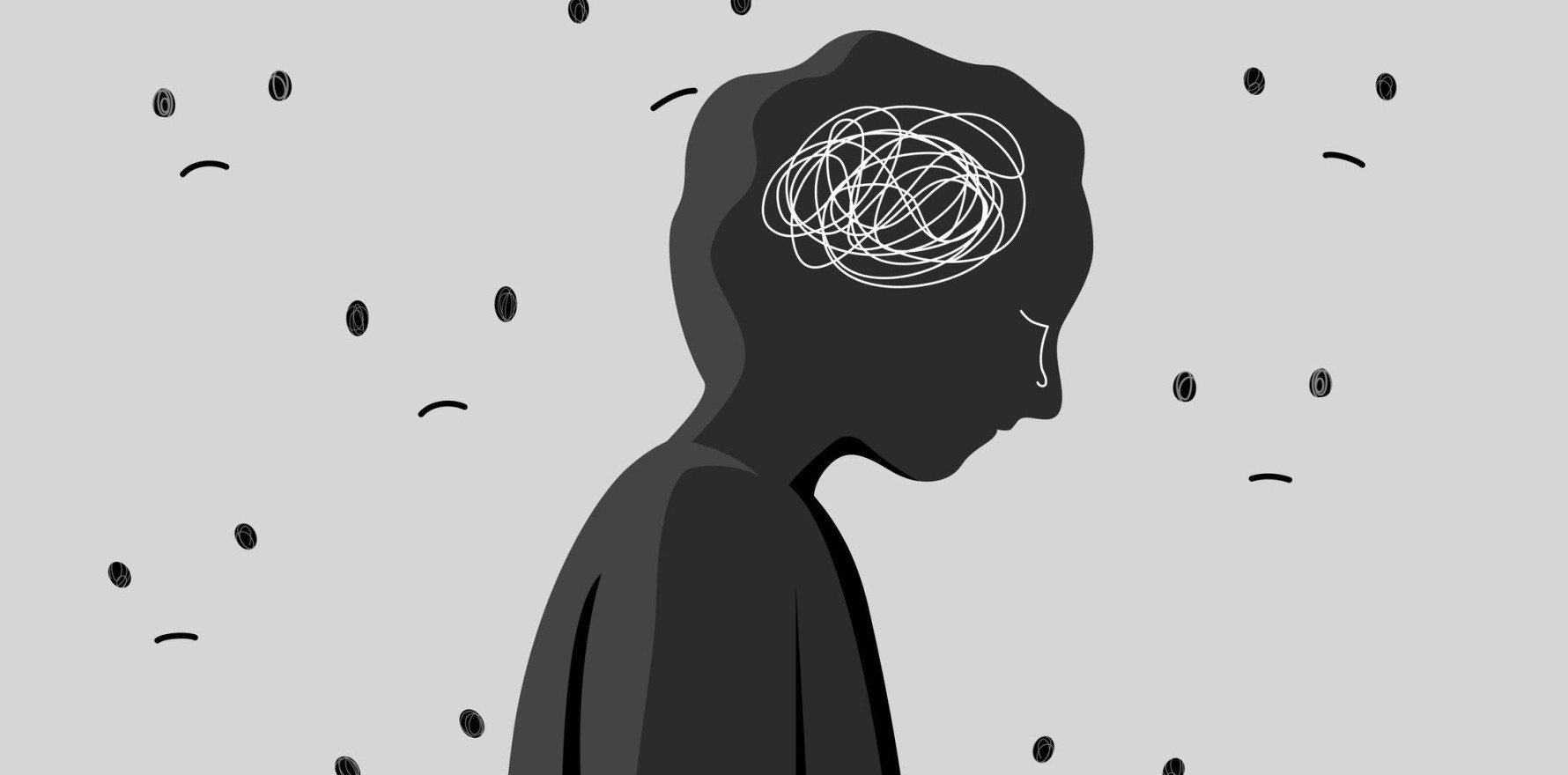


The authors said that highlighted the huge unmet need for immediate mental health support in the community and the urgent requirement for technological safeguards and controls.
Dr Martin said the figure of one in six showed that only a minority of people were using AI for mental health support.
“But given that AI is so new, it’s only been around for a few years, the uptake has been pretty rapid,” he said.
“What was most concerning to us was the finding that around one in 14 users were using AI instead of professional support.
“A lot of our advice is if you are going to use it, don’t rely on it as your only source of information. Make sure you check with other credible sources, and don’t use it as a replacement for human professional support.
“So that finding that one in one in 14, or around 7% are using it as a replacement is a little concerning because we know that AI is still not good at managing safety and linking people into the right human support when they need it.
“We know there are still issues with the accuracy of the information that’s provided. We know it’s not good at understanding context.
“And the survey also showed Australians get that as well. So there seems to be this funny thing going on where usage is increasing, even though people don’t trust it yet.”
Dr Martin said the convenience of AI was appealing – and the fact that it’s free.
“It was something that they can access in the moment for free when they have a question or a problem that needs to be solved.”
Patients need continuity of care: AMA
The research comes as the Australian Medical Association warns that people with severe mental illness are being left behind by fragmented, cost-driven care models that do not provide long-term support.
In a new position statement released yesterday, the AMA said clinicians were overwhelmingly concerned about the level of care available to patients with severe and enduring mental illness.
The AMA called on federal and state governments to recognise severe and enduring mental illness as a distinct policy priority and to invest in integrated, medically led models of care that support patients long-term.
The position statement, Supporting Australians with severe and enduring mental illness 2026, calls for increased mental health bed capacity, expanded rehabilitation, step-up and step-down services, and more investment in multidisciplinary community mental health teams that can provide coordinated, long-term care.
AMA vice president Associate Professor Julian Rait said Australians with severe and enduring mental illness needed continuity of care, not a system that only responds when they reach crisis point.
“Far too many Australians with complex and long-term mental illness are cycling through emergency departments, hospitals, crisis services and, in some cases, the justice system because they cannot access the coordinated, ongoing support they need,” Professor Rait said.
“We have progressively moved away from models that provide continuous care and therapeutic relationships towards a system that is increasingly episodic, fragmented and difficult to navigate.
“People with severe and enduring mental illness often require support over many years. Yet our current system is largely designed around short-term interventions that do not adequately address their long-term needs.”
Professor Rait said people with severe and enduring mental illness needed coordinated assistance across healthcare, disability, housing, psychological support and drug and alcohol services.
“Patients need sustained engagement, clear clinical accountability and seamless pathways between general practice, specialist mental health care, hospitals, community services and psychosocial supports,” he said.
“We know that when care is disconnected, people fall through the cracks.
“The result risks repeated hospital admissions, worsening illness, homelessness, social disadvantage and long-term disengagement from treatment.”
If you or someone you know is struggling, Beyond Blue’s free, confidential Support Service is available 24/7 on 1300 22 4636 or via webchat at www.beyondblue.org.au/get-support.
