

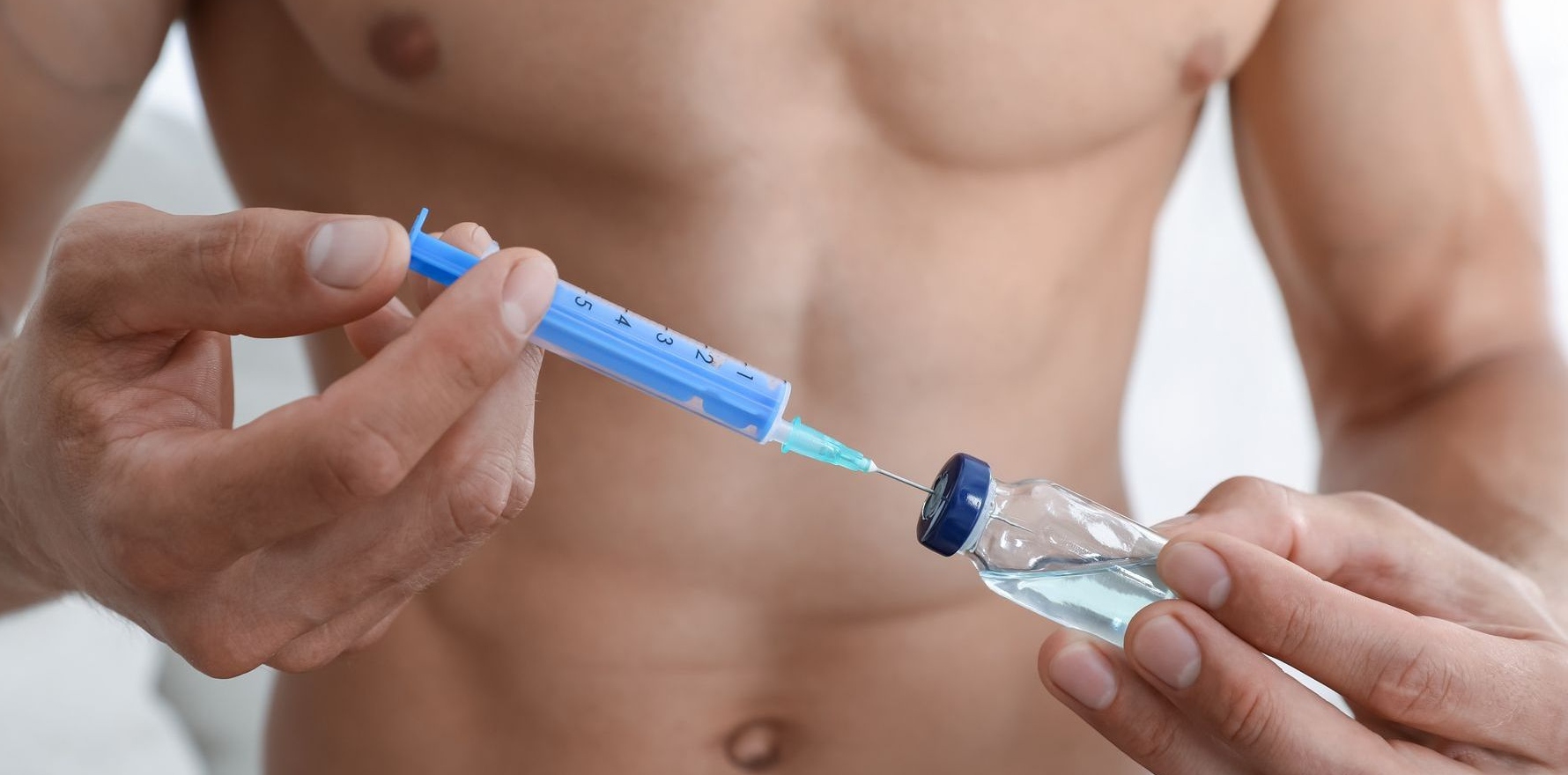
Health organisations and the TGA have released warnings about the risks associated with injectable peptides.
“I’m fergalicious. (So delicious). My body stay vicious. I be up in the gym just working on my fitness.” – Fergie, Fergalicious
Hepatitis Australia and the Australasian Society of Infectious Diseases today released a statement urging Australians to proactively reduce the risk of serious infections when injecting peptides for muscle growth, weight loss, and other fitness-related reasons.
The statement cites data from the Kirby Institute’s Needle Syringe Program National Minimum Data Collection 10 year National Data Report 2016-2025, published in November last year, which shows that the proportion of occasions of service related to the use of anabolic agents and selected hormones in participating needle and syringe exchange programs increased from 9% in 2022 to 14% in 2025.
Steroids, peptides, growth hormones, and other performance and image-enhancing drugs were all classified as “anabolic agents and selected hormones” for the purposes of the Kirby Institute report.
Although some peptides are approved medicines, there are many unapproved products that are increasingly being promoted – and used – to gain muscle, aid recovery, lose weight, and slow the ageing process.
The organisations claimed that needle and syringe services across the country were seeing increased demand for injecting equipment among peptide users, especially those from the fitness and/or bodybuilding industries.
Lucy Clynes, CEO of Hepatitis Australia, said that there needed to be greater awareness of the risks associated with injecting peptides, and highlighted the importance of always using sterile equipment.
“To protect their health, it’s critical that people who are injecting peptides or other substances fully understand the serious potential health risks involved. Needles, syringes and other injecting equipment must never be shared or reused,” she said.
“Sharing injecting equipment can transmit blood-borne viruses including hepatitis B and hepatitis C.
“Using new sterile equipment every time is one of the most important steps people can take to protect themselves. Sterile needles and syringes can be purchased from most pharmacies.
“With peptide use increasing, particularly through fitness communities and social media, we want people to understand how to reduce their risks.”
Ms Clynes said it was important that practical, non-judgemental public health solutions were used to manage the growing popularity of injectable peptides.
“People will make their own decisions about what they put into their bodies. Our priority is making sure they have accurate, accessible information and understand how to protect their health,” she said.
“If you are injecting, use new sterile equipment every time, never share injecting equipment and dispose of used needles safely.”
Related

The new data comes just days after the TGA issued a safety advisory notice, warning consumers that unapproved peptides do not always contain what their labels claim to.
“TGA laboratory testing has found that tested Synedica peptide products did not contain what their labels claimed. Some tested products contained no detectable TB-500, despite being labelled as containing TB-500, while tested Synedica Retatrutide 10 mg products contained less retatrutide than stated on the label, with significant variation between samples,” the notice said.
“This means consumers cannot rely on the product labels to know what substance they are taking or the amount they are receiving.”
Three Synedica products – BPC 157 & TB 500 10mg, KLOW 80mg, and BARBIE KLOW 100mg – were found not to contain any TB-500.
The former product is advertised as an accelerator of muscle regeneration and injury recovery, while the latter two products are labelled as having “advanced skin regeneration” properties.
Professor Robyn Langham AM, the TGA’s chief medical advisor, said the findings highlighted another potential risk associated with using unapproved peptide products.
“These results demonstrate the very real risks of using unapproved peptide products. Not only is there a serious risk of a major allergic response, including anaphylaxis, but, when a product does not contain what the label says, consumers can simply not know what is in the substance they are injecting,” she said.
“Using products with unknown or unreliable ingredients can put you at risk of serious health issues. If you have purchased a Synedica peptide product, do not use it and speak to a health professional if you have concerns about your health.”
Consumers who purchased a Synedica-branded peptide product were advised to stop using it and to dispose of any remaining product via their local pharmacy.
Consumers with concerns about their health after using this product should speak to their health professional, while anyone who has experienced side effects after using a Synedica product should report it to the TGA.
