

TMR acknowledges that the photo used on the first version of this post caused offence. The choice of photo was not Dr Zafari's and TMR apologises to her and to anyone offended by the image -- Cate Swannell, senior editor TMR.
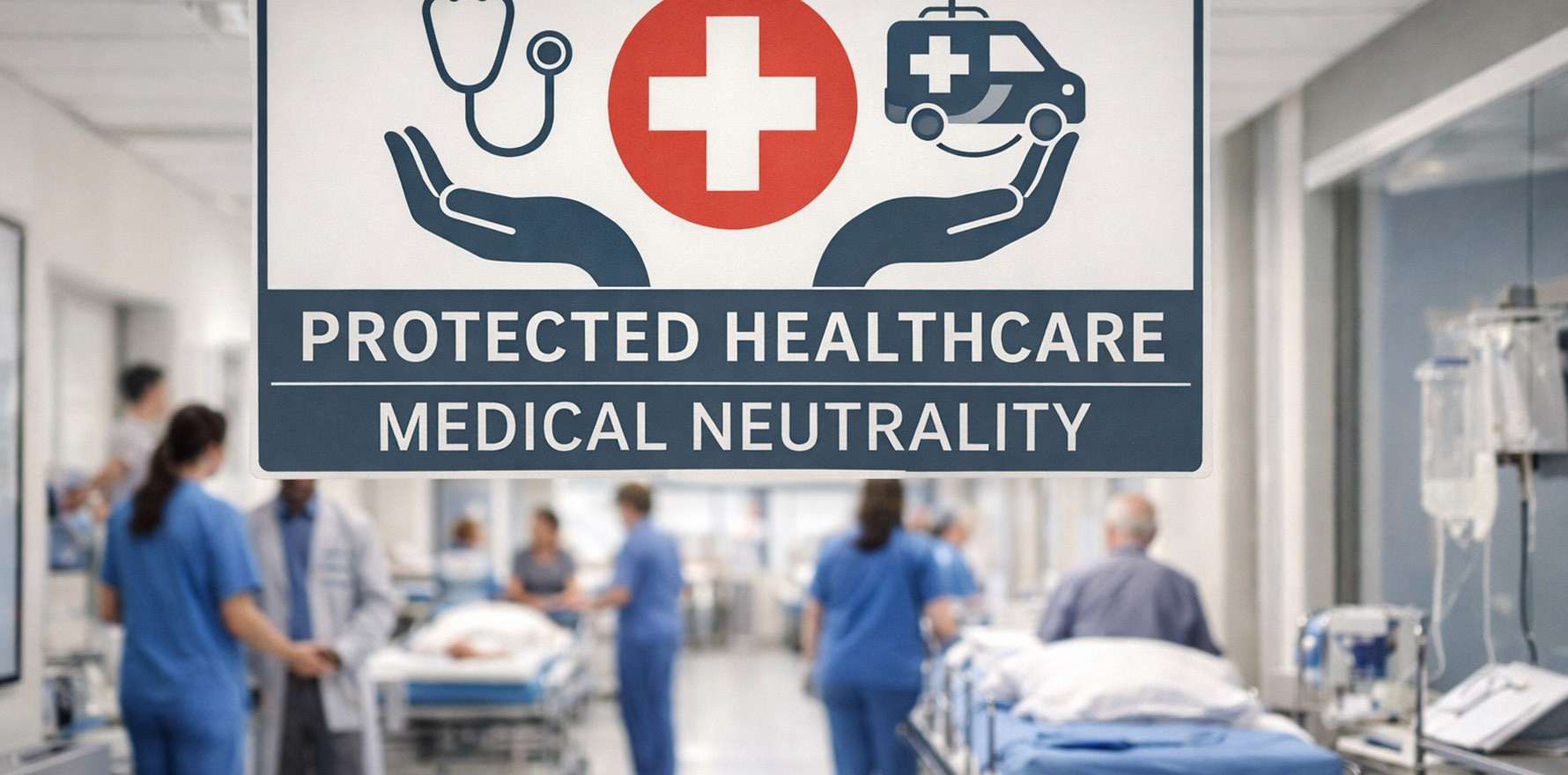
Medical neutrality is the minimum standard that lets medicine function in unrest and conflict: patients can seek care without fear, and clinicians can treat without coercion.
In January 2026, that floor was breached in Iran and it is continuing to be breached.
This is not a partisan or political argument. It is about the protection of healthcare as a protected space, and about the ethical and legal baseline that keeps patients and clinicians safe.
During the January 2026 protests in Iran, as the internet went dark and the crackdown intensified, information surfaced through diaspora networks and limited connectivity.
Within professional circles, clinicians have described hospitals flooded with gunshot injuries while being simultaneously threatened, surveilled, and pressured by the regime’s security forces.
There are reports within professional networks of junior clinicians being arrested for providing basic care such as wound washout or suturing.
The Lancet published a correspondence describing “verified reports and multiple publicly available video recordings” of Iranian security forces entering Imam Khomeini Hospital (Ilam province) and Sina Hospital (Tehran), discharging tear gas and firearms, breaking down doors, assaulting healthcare providers, and arresting injured protesters who sought refuge and medical care.
Reporting described a widening crackdown in which doctors who treated injured protesters were arrested, including at least one surgeon reportedly facing a potential death sentence.
That is not simply “civil unrest spilling over”. It is direct interference with clinical care and it turns hospitals from protected spaces into sites of fear.
The consequences are immediate:
- Patients delay or avoid care because seeking help may lead to arrest or worse;
- Clinicians are coerced; treating the injured becomes personally dangerous.
Medical neutrality means patients, providers, ambulances, and hospitals must be protected from attack, intimidation, and coercion, and that treatment decisions are based on medical need, not ideology or security directives.
The Hippocratic oath isn’t politics; it’s the minimum contract between medicine and society. When clinicians are punished for providing care, medicine itself is criminalised.
When armed actors enter hospitals to arrest patients, when clinicians are assaulted, threatened or detained for doing their job, and when care is obstructed, the principle collapses. And once this line is crossed, it does not stay contained within one country.
Normalising punishment for clinical care degrades the global professional standard that protects patients and staff everywhere; particularly in conflict, civil unrest, prisons, and detention settings.

What has been done so far (2026)
International medical organisations have already spoken:
- The World Medical Association condemned the attack on Ilam hospital and violations of medical neutrality, calling for protection of clinicians and patients;
- The British Medical Association expressed grave concern about reported violations of medical neutrality and the arrest of protesters from hospitals.
In Australia, more than 100 Iranian-Australian doctors signed a petition to Prime Minister Anthony Albanese urging action specifically framed around medical neutrality: condemning hospital raids and intimidation, reaffirming protection of healthcare, and supporting independent access and investigation.
The ABC has also reported on doctors being blocked from treating patients.
What Australian doctors can do now
The silence around reported violations of medical neutrality in Iran is not neutral. It leaves a vacuum where intimidation grows.
This is a moment for specific, non-partisan, professional action.
- Ask peak bodies to publicly reaffirm medical neutrality (and name the breaches).
Write to your organisation or peak bodies, referencing the WMA/BMA statements and The Lancet correspondence, with a narrow ask: issue a clear, dated, and sustained reaffirmation of medical neutrality:- clinicians must be able to treat without coercion, discrimination, bias, or political interference that undermines public safety and trust;
- hospitals must remain protected spaces;
- Patients must be able to seek care without fear of arrest, discrimination, or having care withheld or withdrawn.
- Keep the request tightly scoped to healthcare protection.
The ask is not partisan alignment. The ask is: condemn interference with care; support independent investigation and humanitarian access; protect clinicians and patients. - Document, carefully.
Where colleagues have direct knowledge or witness accounts, encourage safe documentation pathways. Protect identities, avoid endangering sources, and preserve evidence for future independent investigation. - Support affected colleagues here.
Iranian-Australian clinicians are carrying moral injury, family fear, and professional distress. Make space for peer support and remove institutional friction for those needing leave or flexibility.
The silence around reported and documented violations of medical neutrality in Iran is concerning. Statements matter, but one or two statements are not enough when the ethical floor is being broken in real time.
If saving lives becomes a crime anywhere, it puts clinicians and patients at risk everywhere.
Dr Tina Zafari is a GP registrar in regional Victoria, an AMC Council member representing international medical graduates and a passionate advocate for health and AI literacy. Her career has spanned clinical practice in public and private, research and community engagement.
