


After the puberty blocker ban was reinstated, trans health advocates are expected to launch another overturn attempt.
Despite being frustrated after the overturn of the puberty blocker ban in Queensland was effectively nullified with a new ban hours later, advocates have vowed to pursue a second challenge.
This new ban came just hours after the state’s Supreme Court overturned the original ban due to a lack of appropriate consultation with health executives.
The case for the initial overturn came from the mother of a trans teenager who was affected by the ban. She is now expected to launch a second legal challenge.
“The fight continues and I’ll do everything I can to see it overturned, including through the courts if my legal team says that’s possible,” she told the media.
“I’m appalled by [the health minister’s] decision to issue that ministerial directive.”
Ren Shike, the president of LGBTI Legal Service, the community legal service representing the complainant, told The Medical Republic that they “will continue to explore all legal options to support trans and gender-diverse young people to access the life-affirming healthcare they need”.
“The LGBTI Legal Service are reviewing the Ministerial Direction and will consider all legal options on behalf of our clients,” they said.
Another advocacy group, Equality Australia, has questioned the validity of the new directive.
“The state government has left itself open to another legal challenge by circumventing the Supreme Court ruling to reinstate care under a different legislative power,” Equality Australia legal director Heather Corkhill told TMR.
“It would be possible to argue that Tim Nicholls is acting outside of his scope of powers under the Hospital and Health Boards Act 2011 because it is not ‘necessary’ to ban care ‘in the public interest’.
“Section 44 powers should be used to keep people safe, improve services and protect vulnerable people.
“Denying a small and already marginalised group of young people from evidence-based, effective healthcare does the opposite.
“The second directive, like the first, is also very likely to be challenged under the Anti-Discrimination Act 1991 and Human Rights Act 2019.”
Queensland is the only state to currently outlaw puberty blockers and reissued the ban using powers granted by a section of the Hospital and Health Boards Act.
Reinstating the ban was justified by Queensland health minister Tim Nicholls as a matter of “public interest”, meaning that the ban directive would not need consultation.
“I have now had an opportunity to consider this issue further and consider the steps available to the government, given that we were prepared for an adverse finding,” Mr Nicholls said to parliament.
“Having done so, and in accordance with [section] 44(1) of the Hospital and Health Boards Act 2011, I am satisfied it is appropriate and in the public interest that I issue a written ministerial direction.”
The first ban directive’s lack of consultation was the primary reason for the overturn, as it did not meet effective communication requirements for eligibility.
It was found that health director-general David Rosengren had only consulted with executives for 22 minutes via video call at the same time that Mr Nicholls announced the decision.
Justice Peter Callaghan ruled that this meeting was “functionally irrelevant” and could not stand in as the necessary consultation.
Related
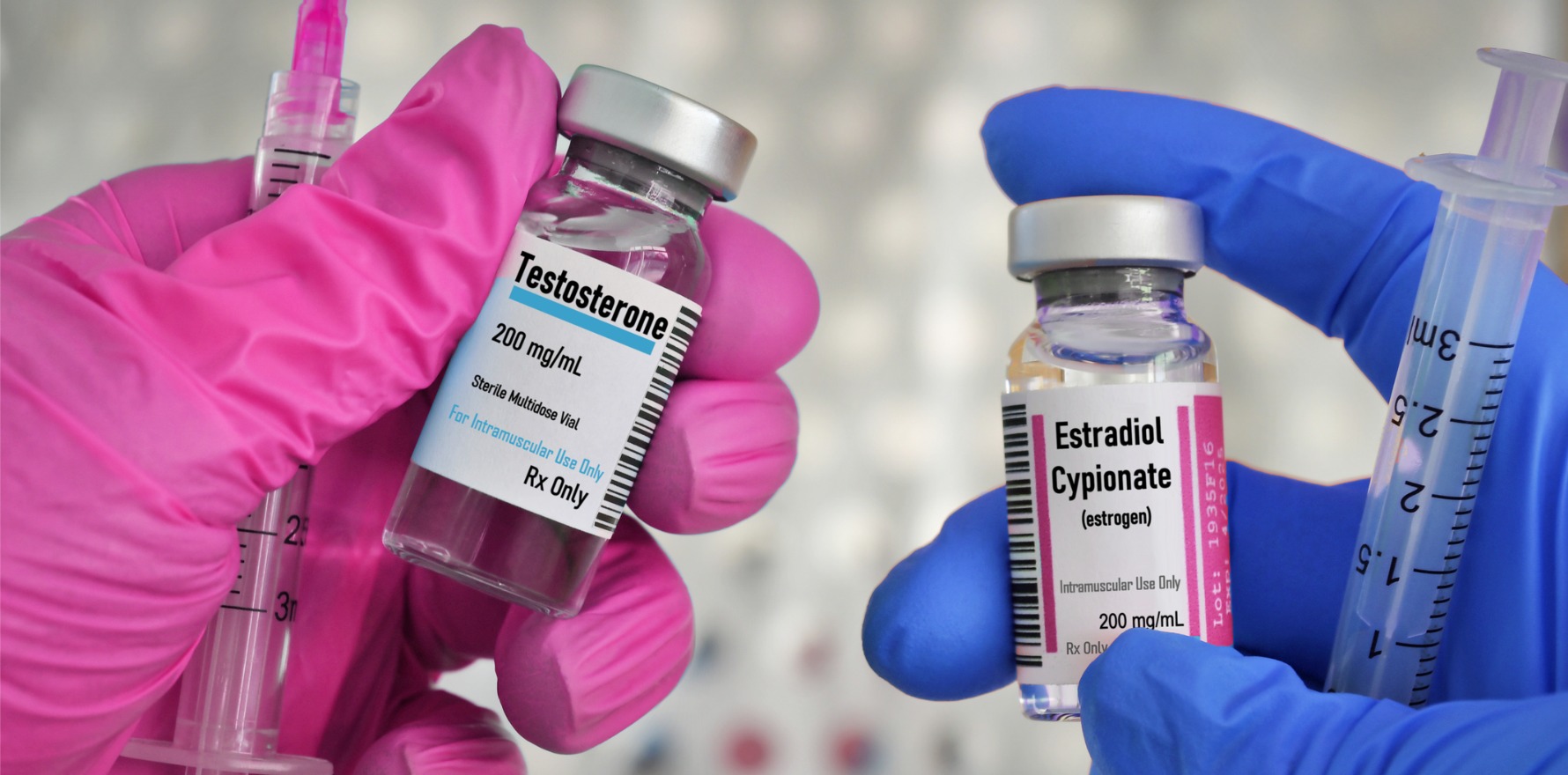
At the time of the January ban, 491 children were due for treatment by the Queensland Children’s Gender Service, with those who were already receiving treatment allowed continued access to care.
The Queensland government announced back in April that a review was set to be released by November with the expectation that said review will inform future policies on trans health.
“We are calling on the government to release the review publicly,” Ms Corkhill told TMR.
“Every young person in Queensland has a right to access essential medical care, free from political interference.
“We trust that it will reflect the vast body of evidence in Australia and around the world and strengthen the case for care to be returned to the young trans people and their families who so desperately need it.”
