

The Australian Centre for Disease Control and the Federal Health Minister have both released updates following the detection of cases in India.
Two cases of Nipah virus have been confirmed in West Bengal, India, although the ACDC emphasised that the virus “has never been detected in Australia”.
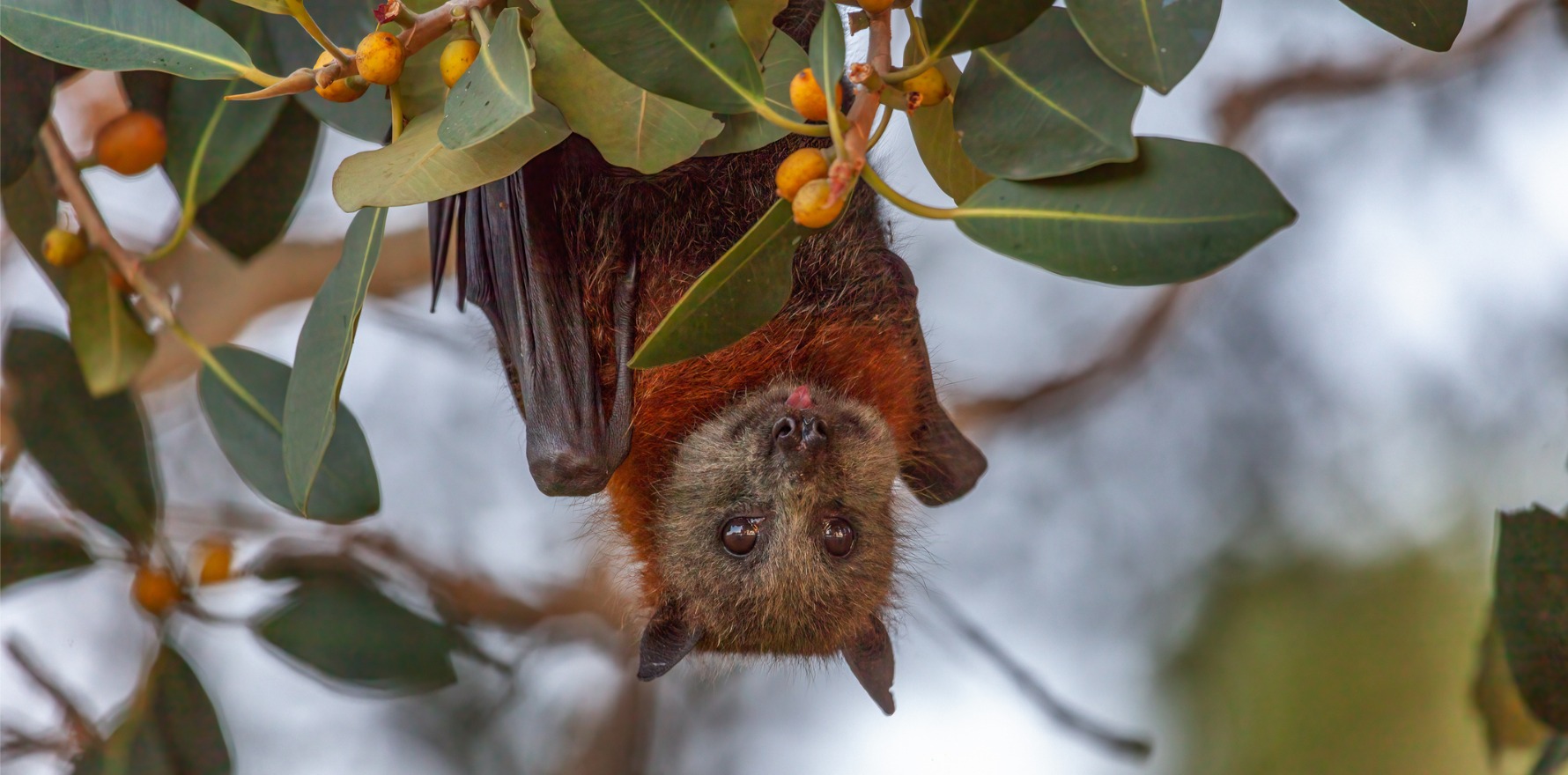
Nipah virus is found in wild fruit bats and can spread to other animals – especially pigs – as well as humans. People who contract Nipah virus typically present with flu-like symptoms (i.e., fever, headache, fatigue, muscle pain, vomiting, cough, shortness of breath and a sore throat) within four days to three weeks after infection.
More severe cases of Nipah can lead to pneumonia or encephalitis-like symptoms, including drowsiness, confusion, sensitivity to light and neck stiffness. There is currently no vaccine for Nipah virus, which has a reported mortality rate between 40 and 75%.
Humans usually contract Nipah by touching infected animals or their body fluids, or by eating fruit or fruit products that are contaminated with the body fluids of infected bats.
Human-to-human transmission can also occur, although it is much rarer. Federal Health Minister Mark Butler said human-to-human transmission of the virus occurred through fluid exchange, rather than through airborne airborne particles, and that the nation was monitoring the situation in India “very, very closely”.
“The Indian authorities tell us that they think they’ve got [it] contained,” Mr Butler said during a radio appearance this morning. “There are two confirmed cases of this virus. It’s very serious. The mortality rate is as many as one in two, or even three in four people die if they develop the virus. But it’s very difficult to transmit between humans.”
“There’s reason to hope that this has been contained, but we’re monitoring it very, very closely.”
Dr Joshua Hayward, a bat virologist and senior research officer at the Burnet Institute, said the immediate risk to the general public was “very low”.
Related

“Limited person-to-person transmission can occur through close contact, particularly in household or healthcare settings,” he told media.
“There is no licensed vaccine or specific antiviral treatment for Nipah virus, so prevention relies on reducing exposure risks, early case detection and high-quality supportive care.”
Mr Butler said the federal government had not received any advice on changing protocols for assessing sick patients who arrived in Australia.
A spokesperson for the ACDC said the organisation would react appropriately as the situation evolves.
“Existing protocols also ensure that any identified ill-traveller can be assessed quickly and referred to jurisdictional health authorities, where appropriate,” the spokesperson told The Age.
“Australia has appropriate diagnostic capacity to detect Nipah virus in reference-level public health laboratories, as well as at the Australian Centre for Disease Preparedness in Geelong.”
The ACDC recommends that anyone travelling to an area where Nipah virus has been detected should:
- Avoid contact with all animals, especially bats and pigs
- Not eat fruit that may have come into contact with an animal or their body fluids
- Clean and peel fruit yourself before eating it
- Not drink raw or fermented date palm juice or sap
- Follow good hygiene practices
- Avoid contact with anyone who is unwell
Nipah virus was first detected in humans in 1998, with a previous outbreak occurring in India in late 2023. In 2022, Professor Allen Cheng AC, director of the infectious diseases department at Monash Health, suggested Nipah virus (and other members of the Paramyxoviridae family) could potentially cause the next pandemic, although a year earlier Professor Ian Jones (a virology expert from the University of Reading in the UK) felt “Nipah does not pose a high risk of causing a pandemic”.
