


ACRRM shines a spotlight on standout members at RMA25 whose innovation drives better care outside the cities. See the photos.
The Rural Medicine 2025 conference in Perth last week was touted as a resounding success not just for its presentations and collaboration opportunities but also in how it honoured the Australian College of Rural and Remote Medicine (ACRRM) award winners.
These awards came at a pivotal time for rural health with the recent recognition of rural generalism signifying a greater shift in progression for rural health.
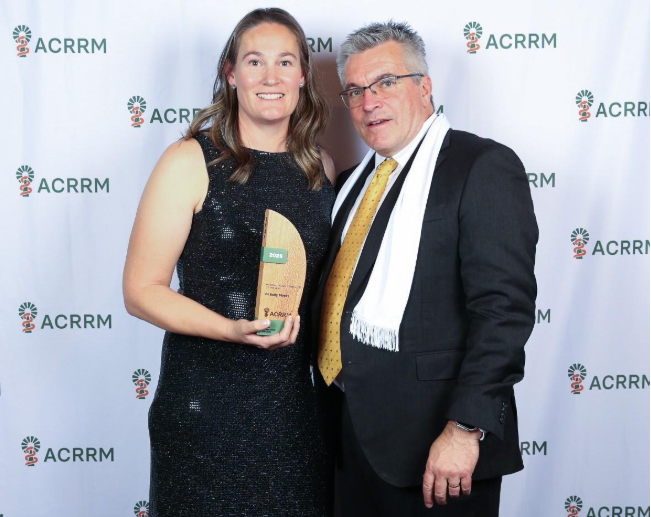
Rural obstetrician Dr Sally Street was recognised for her contributions with the ACRRM Rural Generalist of the Year award.
As ACRRM’s Tasmanian regional director of training, and now as a lead medical educator, Dr Street has been instrumental in advancing the role of rural generalists in Tasmania.
“Her advocacy for healthcare reform and rural generalist recognition, her leadership in education, and her commitment to delivering care in some of the most remote parts of Australia make her an extraordinary recipient of this award,” said ACCRM president Dr Rod Martin.
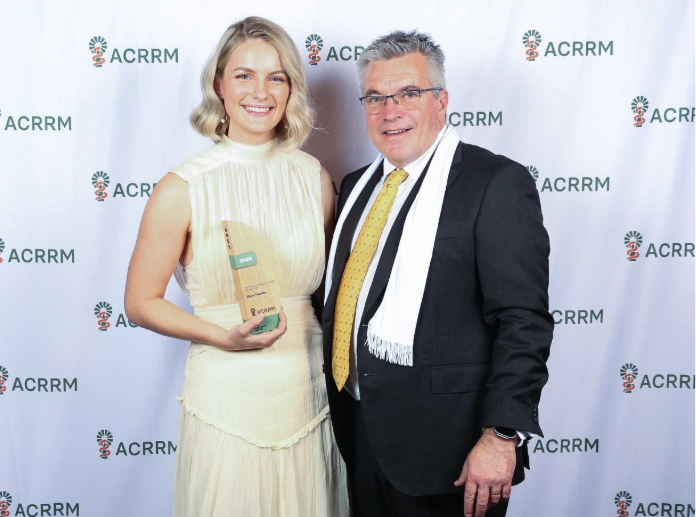
The 2025 National Medical Student of the Year award went to Eiryn Twidale, who has undertaken extensive rural placements and committed to the Queensland Rural Generalist Pathway.
She also gained a broad level of clinical experience with Heart of Australia, the Royal Flying Doctor Service, and at Darwin Hospital.
“She already demonstrates a remarkable ability to make a difference for her community and peers, and her career promises to deliver even more for rural and remote Australia,” Dr Martin said.
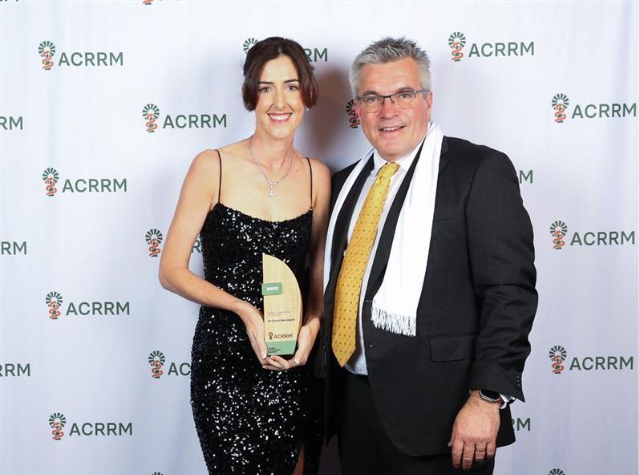
The 2025 National Registrar of the Year, Dr Carrie Davenport, a medical educator and lecturer at the UNSW Rural Clinical Campus, was recognised for her contributions to rural child health and medical education.
“She is helping to shape the future of rural healthcare by combining child-health expertise with a deep commitment to teaching and community-based care,” said Dr Martin.
“Her leadership in medical education and her dedication to improving access for families across regional New South Wales make her a very deserving recipient.”
Dr Davenport was selected from a high-calibre group of state-based winners recognised earlier: Dr Carolyn Belonogoff from Babinda, Queensland; Dr Erin Wright from regional Victoria; Dr Adam Overweel from South Australia’s Riverland; Dr David Owusu Sekyere from Tasmania’s Huon Valley; and Dr Jessica Morgan from Geraldton, Western Australia.
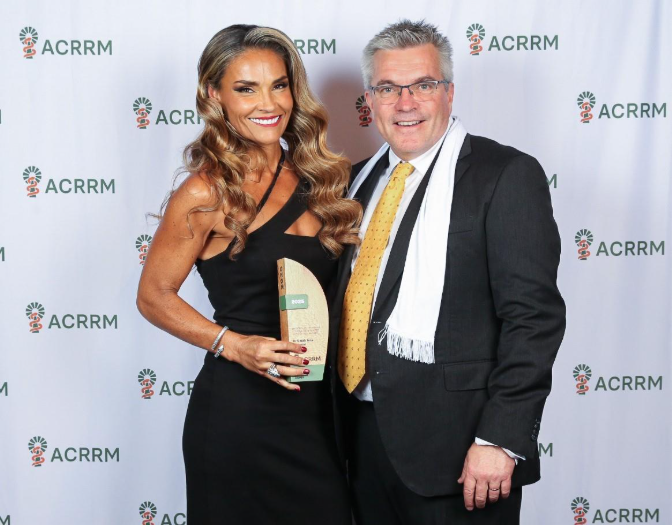
Dr Sarah Jane Springer was given the 2025 Outstanding Contribution to First Nations Healthcare Award for her extensive work in the field.
A proud Wiradjuri woman and rural generalist with over two decades of experience in Aboriginal Health, obstetrics, emergency medicine, and primary care in remote Australia, Dr Springer is highly regarded as a national leader in culturally safe healthcare and workforce reform.
As a senior medical officer on the national A Better Culture project, she has driven transformative work to embed cultural safety, address racism, and improve outcomes for First Nations registrars.
She is also the project lead for Australia’s first Aboriginal Community Controlled Health Organisation (ACCHO)-led Single Employer Model trial, pioneering structural change to build and retain a culturally safe remote health workforce.
“Her leadership is not only transforming systems but also ensuring First Nations peoples receive the respect and quality of care they deserve,” Dr Martin said.
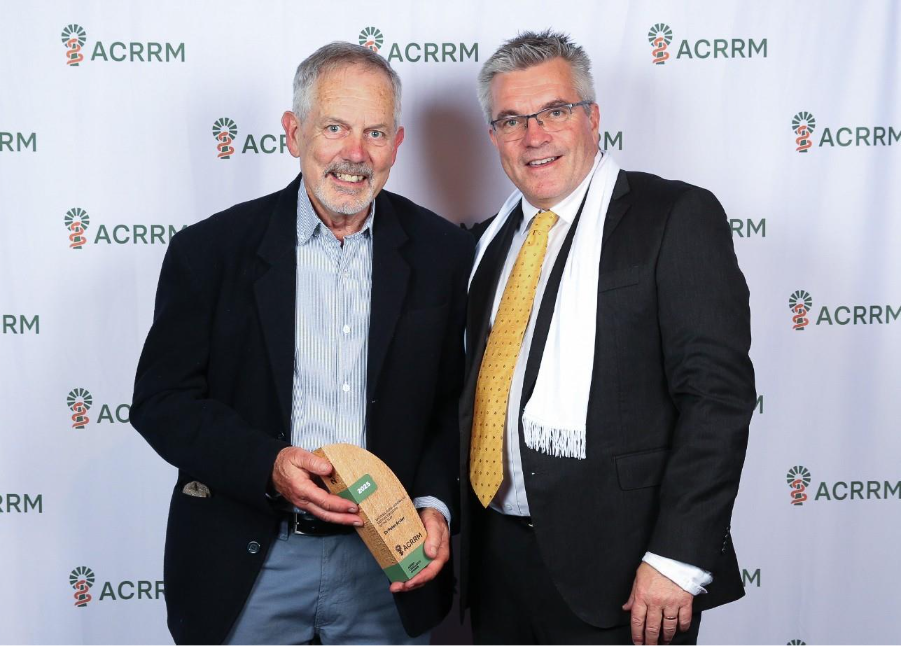
Professor Peter Arvier was named as the college’s Rural Generalist Medical Educator of the Year.
“His legacy is a stronger, more confident rural generalist workforce and better healthcare for rural, remote, and First Nations Australians,” Dr Martin said.

“He is a passionate advocate, an exceptional teacher, and a role model whose influence will be felt for decades to come.”
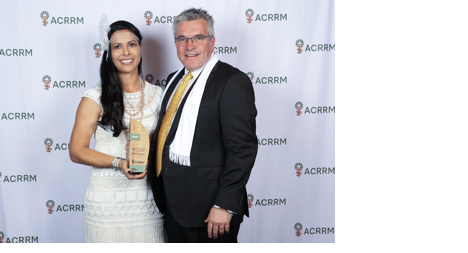
Suzette Chemello was given the Outstanding Contribution to Rural Practice Management Award for her stewardship of Wunan Health in Kununurra and introducing an innovative model of care that allows patients to stay within their communities while accessing high-quality services.
She has supported at least 20 registrars to complete their training and welcomed countless rural generalists and rural GPs, ensuring continuity of care in a region where workforce turnover is a constant challenge.
“Suzette’s contribution goes far beyond administration,” Dr Martin said.
“Known as the ‘heart of the practice’, she fosters a workplace where staff feel supported, connected, and cared for — creating a positive environment that has underpinned the clinic’s success and stability, and has kept her community connected.”
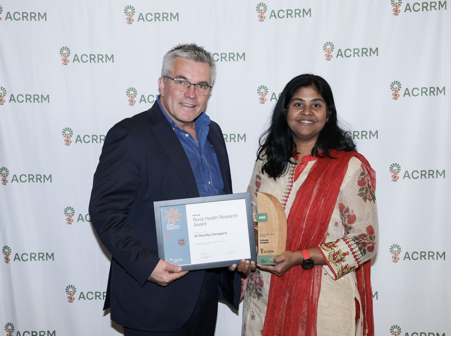
In recognition of her groundbreaking research, Dr Revathy Carnagarin was awarded the National Rural Health Research Award.
Dr Carnagarin has advanced an international career at the coalface of hypertension and cardiometabolic medicine before turning her focus to rural innovation in Western Australia garnering high academic praise with more than 82 peer-reviewed publications, over 2200 citations, and leadership roles in mentorship and policy advocacy.
“Revathy is redefining what rural health research can achieve,” Dr Martin said.
Along with these award winners three more ACRRM members were also honoured with Distinguished Service awards, not only in recognition of their service but also for the long-lasting impact of their work in their respective communities.
This year’s awardees were Associate Professor Marlene Drysdale, Dr Malcolm Fairleigh, and Dr Kenneth McCallum, each of whom has made highly significant contributions to medical education and rural health.
“To be recognised with a Distinguished Service Award at the time we are celebrating Rural Generalist recognition is a truly special honour, and they join an incredible group of Rural Generalists who have received this award before them,” Dr Martin said.
