


The guidelines come as experts say one in 11 Australian children are currently living with hypertension.
Australia now has a guideline for the management and identification of hypertension in children and adolescents.
The guidelines, published earlier this week in the Journal of Paediatrics and Child Health, can be summarised into eight key principles, including:
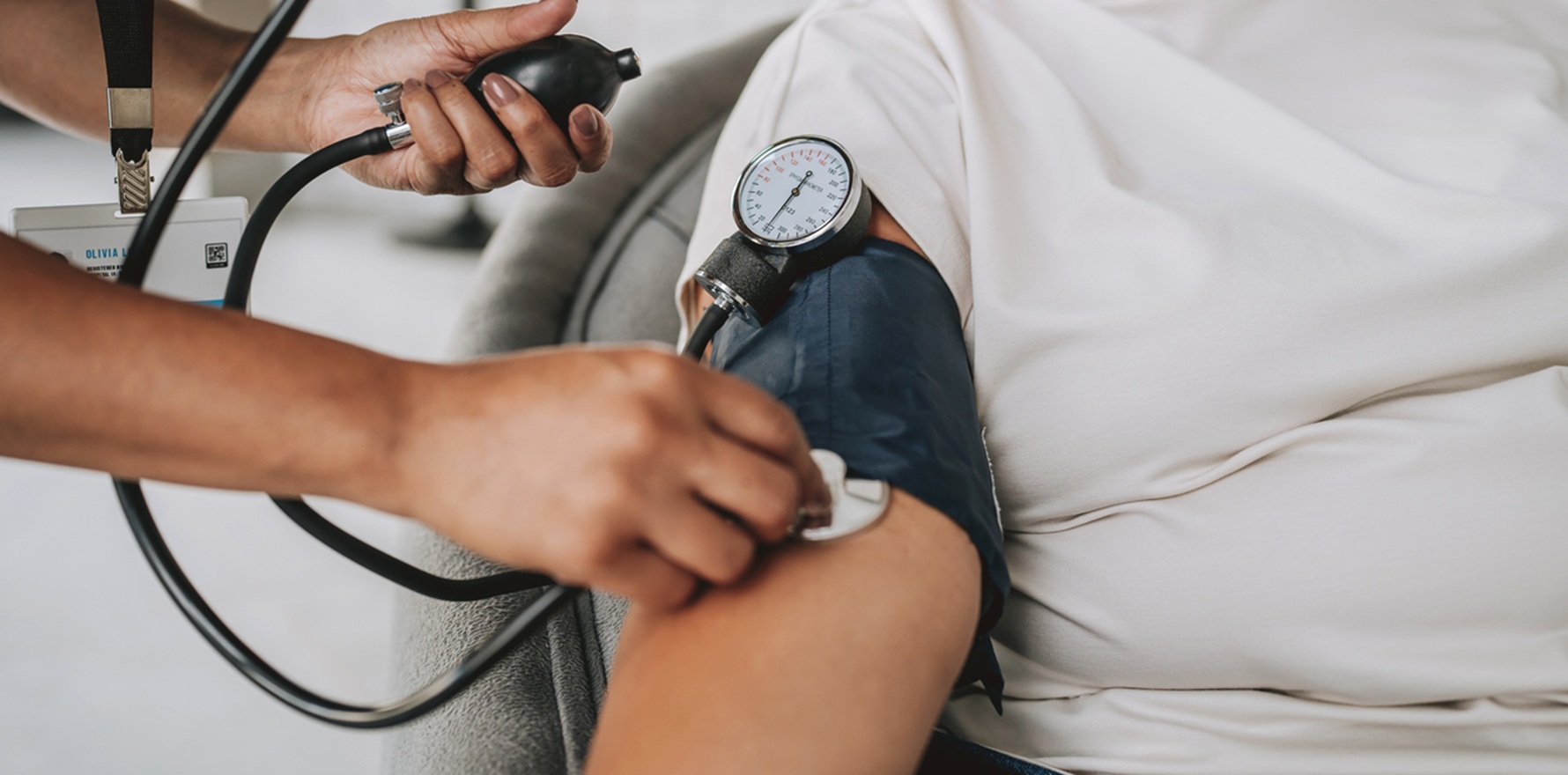
- Children without any other risk factors should have their blood pressure screened twice while growing up, first at age seven to nine and then again at 13 to 15.
- Simplified thresholds for hypertension (120/80mmHg for children aged six to 11 and 130/85mmHg for children aged 12 to 17) should be used for initial screening.
- Most children with hypertension should initially be treated with a six-month trial of a non-pharmacologic, team-based management approach.
- Long-acting calcium channel blockers, angiotensin converting enzyme inhibitors, or angiotensin receptor blockers are the preferred options for children who require antihypertensive medications.
A 2025 systematic review and meta-analysis estimated the number of Australian children living with hypertension as somewhere between 22,000 and 44,000 – with the majority of these cases remaining undetected.
Dr Nicholas Larkins, lead author of the guidelines, said the document was recognition of the evidence that good cardiovascular health starts in childhood, and that identifying children who may be at risk at a younger age allows for greater opportunity to prevent lifelong disease.
“Most people think high blood pressure is something you worry about in your 50s or 60s,” the internationally renowned paediatric nephrologist told media.
“But for many Australians, the foundations are laid down in childhood. That’s why identifying high blood pressure early is important, because it gives us the chance to change a child’s health trajectory before organ damage and other risk factors, such as overweight and obesity, become established.
“Parents reading this shouldn’t panic, but they should know that high blood pressure isn’t just an adult condition. And now we’ve got guidelines to help prevent kids heart health from slipping through the cracks.
“Around 1 in 11 children will have an elevated BP reading. For most children this is a sign to initiate proactive lifestyle measures that we know can improve outcomes. For a smaller number of children (estimated 20,000-40,000), this will mean detecting and acting on target organ injury, such thickening of the heart, and finding out if there are any underlying causes that need specific treatments, such as undiagnosed kidney disease.”
Dr Larkins said that hypertension was one of the leading modifiable risk factors for chronic disease and avoidable death, and that the guidelines provided a much-needed strategy for identifying and managing hypertension in children.
“These guidelines respond to increasing rates of childhood hypertension alongside rising obesity, while also recognising the higher burden experienced by Aboriginal and Torres Strait Islander children and adolescents.”
“Rather than recommending annual blood pressure checks, as occur in other countries, which would be difficult to implement, the guideline provides practical recommendations for clinicians. This includes routine blood pressure screening for all children at approximately 7-9 years of age and again at 13-15 years of age. For children at increased risk, such as those living with obesity, born prematurely, or taking stimulant medications, blood pressure measured more often.”
Related


The Heart Foundation’s Chief Medical and Scientific Officer, Professor Derek Chew, also highlighted the importance of early detection.
“For most children, early detection of hypertension means early lifestyle support including healthier diets, less salt, and more physical activity, in addition to long-term attention to heart health,” the Melbourne-based cardiologist and cardiovascular health systems researcher said in a statement.
“The guidelines provides frontline clinicians with practical steps to identify and manage high blood pressure in children.”
Professor Chew felt that rising obesity rates, increased salt intake, and lower levels of physical activity among children were increasingly putting them at risk of developing hypertension.
“These risks often present together in communities facing social or economic disadvantage, where children are also less likely to be screened and diagnosed,” he said.
The guidelines, which have been endorsed by the Royal Australasian College of Physicians, the National Heart Foundation of Australia, Hypertension Australia, Kidney Health Australia, the Cardiac Society of Australia and New Zealand, the Australia and New Zealand Paediatric Nephrology Association, and the Australia New Zealand Paediatric Obesity Network, are available online.
