

The medtech industry has hit back at claims Australians are paying inflated prices for medical devices, as an evaluation reveals substantial savings from Prescribed List reforms.
A war of words has erupted between medical technology companies and private health insurers over the price Australians pay for medical devices, with the industry accusing insurers of using “fundamentally flawed” international comparisons to push for further cuts.
The Medical Technology Association of Australia (MTAA) has rejected claims reported by Nine Newspapers that medical devices used in Australia’s private health system can cost substantially more than equivalent products overseas.
The investigation reported that Private Healthcare Australia had provided six examples of devices costing up to 358% more than prices paid in New Zealand for an identical product.
This article originally ran on TMR’s sister site, Health Services Daily. TMR readers can sign up for a discounted subscription.
It also reported internal Department of Health documents showed officials had advised against a 2022 agreement between then-health minister Greg Hunt and the MTAA, later telling the incoming Labor government the agreement “predominantly benefited industry rather than providing a negotiated balance of benefits to industry and the Australian community”.
The MTAA said the international comparisons underpinning the latest criticism were “fundamentally flawed, cherry-picked and wrong at the most basic level”.
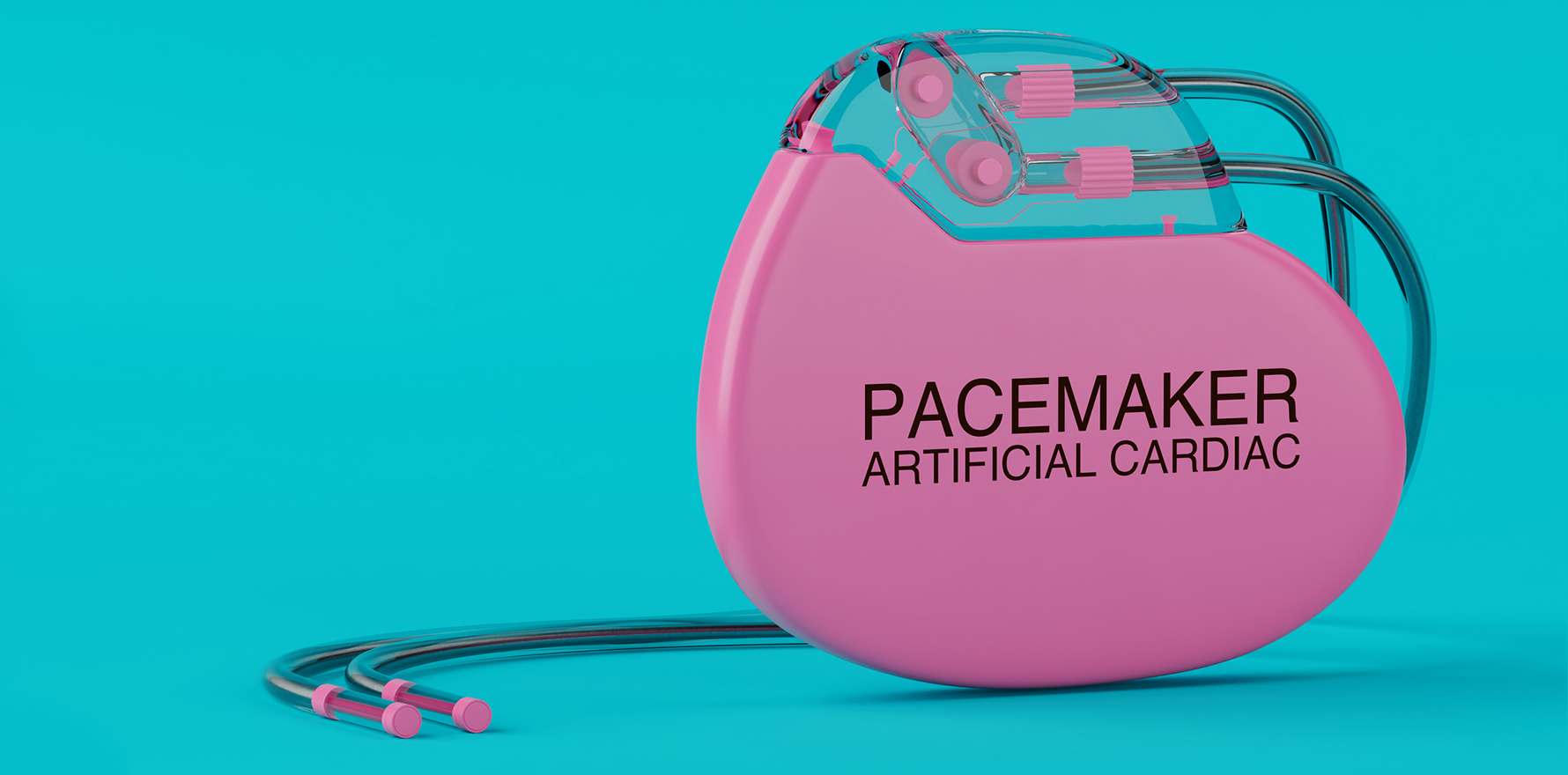
“We cannot compare the price of a pacemaker in Australia’s private healthcare system, where reimbursement include technical support services for the life of the device, with a New Zealand public procurement price that does not include those services,” the association said.
“Nor can you compare one component of a knee replacement when the appropriate comparison is the cost of the whole knee implant.”
The MTAA said differences in funding, procurement, regulation, clinical support, and patient choice meant Australia’s private health system could not simply be compared with New Zealand’s centralised public procurement system.
But a final government-commissioned evaluation of the Prescribed List reforms, completed by Nous Group in June, found international prices could have a role in future decisions about Australian medical device benefits.
Related


The evaluation said public-sector benchmarking used during the reforms was “an appropriate and effective method”, but found there was still scope to assess benefits against international benchmarks.
It recommended international prices be used selectively as a complementary source of evidence in benefit-setting decisions and post-listing reviews.
The evaluation found reforms to the Prescribed List generated an estimated $540 million in health system savings in the three years to June 2025, including $239 million in 2024-25.
Cumulative savings from the benefit reductions are estimated to reach $1 billion by June 2027.
For devices subjected to the reductions, the median gap between Prescribed List benefits and Australian public hospital benchmark prices fell from $177 to $35.
However, Nous found some price differences remained, including a median gap of 42% above public-sector benchmarks for the cardiac category excluding cardiac implantable electronic devices.
The evaluation also provides support for part of the MTAA’s objection to direct comparisons involving cardiac devices.
Technical support services are included within Australian benefits for cardiac implantable electronic devices, with the service component excluded from the price reductions imposed during the reforms.
However, Nous questioned whether those services should continue to be bundled with device funding.
It said there was a case for developing a model allowing technical support costs to be separated from device costs, which would “support greater transparency and allow each component to be priced/funded appropriately”.
The evaluation estimated the decision to defer cardiac implantable electronic device reductions by one year resulted in $94 million in forgone savings over the five years to June 2027.
The MTAA also challenged a claim in the newspaper investigation that private health funds paid $2.52 billion for medical devices in the year to March 2026, 3.2% more than the previous year.
“The article even misstates APRA data,” the MTAA said, claiming the Australian Prudential Regulation Authority figures instead showed growth of 1%.
The Medical Republic asked MTAA to identify the APRA data series underpinning its 1% calculation but had not received a response by deadline.
The MTAA said the reforms had already delivered substantial savings from medical technology and turned its attention to insurer profitability.
“The medtech industry delivered the savings asked of it. The real question is why savings already taken from medical technology have not been returned to Australians,” it said.
The association said private health insurer profits had doubled from about $1 billion in the year to June 2022 to $2.1 billion in 2024-25, while management expenses had risen 29% to $3.4 billion.
The government evaluation concluded that savings generated by reductions in Prescribed List benefits had put downward pressure on private health insurance premiums, although premiums continued to increase because of rising device volumes and broader cost pressures.
But its assessment of the years-long battle between insurers, hospitals, and medical technology companies was particularly pointed.
Nous said “perhaps the most striking reflection” from the evaluation was the extent of mistrust between the private-sector parties involved.
“The process adopted by government was deliberately consultative, which often resulted in open acrimony,” the report said.
“The significant commercial interests involved meant that the reforms became highly contentious, with claims made by various stakeholders bordering on litigious. The interests of consumers were often lost in the process.”
The Medical Republic also asked Private Healthcare Australia for the underlying data and methodology for the six international device price comparisons provided to Nine Newspapers, but no response was received by publication deadline.
