

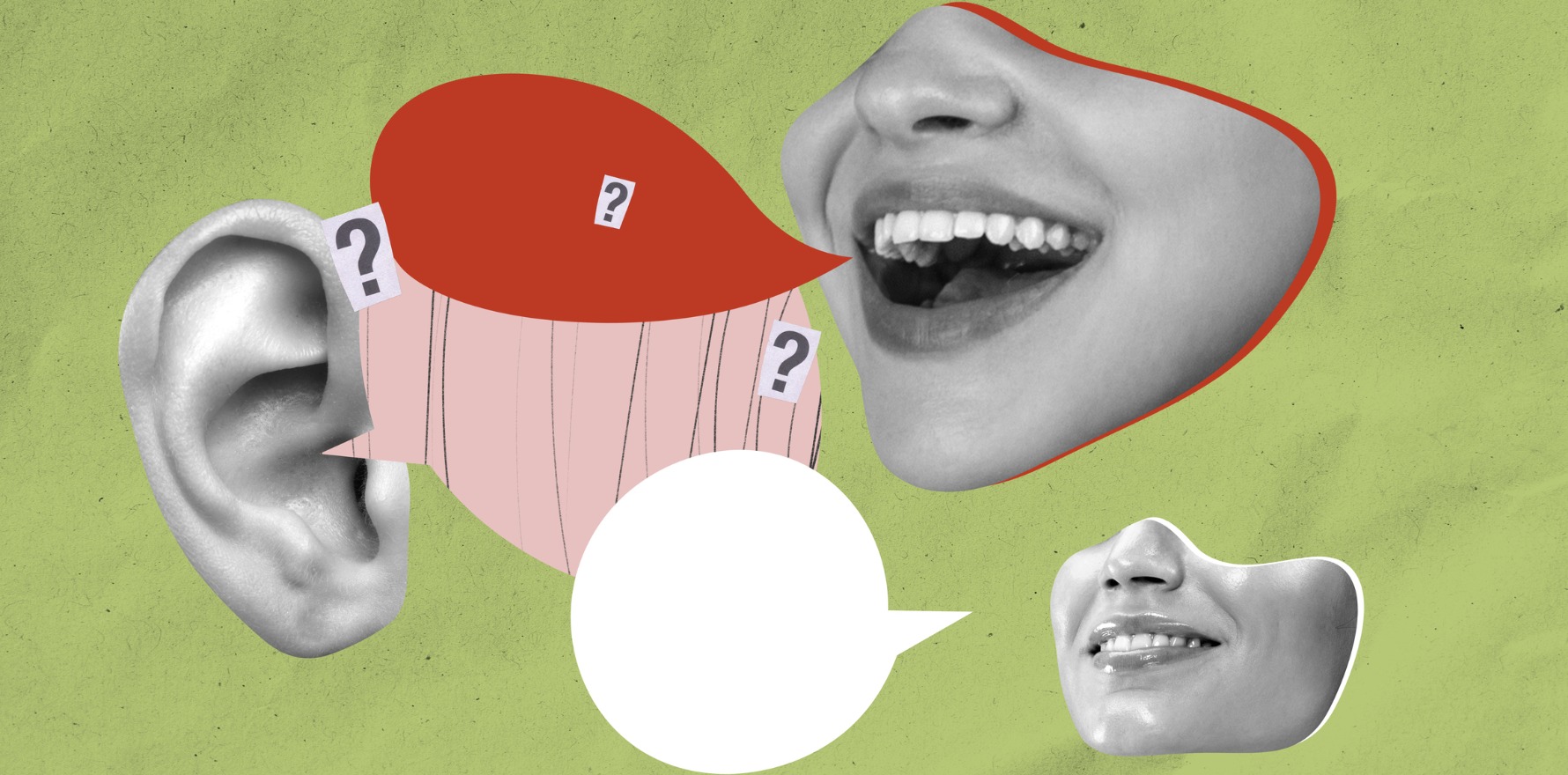
There’s more to it than active listening and ‘following the script’ if we want an optimal experience for our patients.
Consultation skills are a firmly embedded component of modern medical education.
How to establish rapport, how to break bad news and how to communicate effectively with patients are all in there.
Within communication skills sessions is always an exploration of the difference between active listening (i.e. interactive engagement) and passive listening (i.e. screensaver mode), but not necessarily hearing skills. Case in point:
A friend went to see a new GP recently. Within the first few minutes of being in the doctor’s office, he told her that he was looking for a new GP. He also said that he’d had several negative experiences with the healthcare system (primary, secondary and tertiary care interactions) that had led him to distrust the system and those working within it. He told her that he had a new lump and was being investigated for cancer, a journey he’d started with his previous GP a month or so earlier but that that relationship had broken down and he didn’t feel safe engaging with doctors, though knew he must because of the lump. My friend also said that he’d had blood tests done a week prior as part of his tumour workup but that he had needle-phobia so this was traumatic.
With this background, how would you respond to my friend?
- That’s awful. Now, what can I do for you today?
- I’m sorry to hear this has been your experience. I know the system can be hard to navigate but I’m here to help you.
- I’m sorry to hear this but if you can’t let go of your past, I can’t help you.
- Some doctors are hopeless, but I’m not. You can trust me.
- None of the above. I’d say something completely different.
While you’re considering your answer, I’ll let you know the outcome.
The GP my friend saw chose option 3, then gave him a pathology referral for routine bloods and offered him a flu shot. Needless to say, my friend left feeling completely unheard and unsupported.
So where did things go wrong? The GP actively listened to his story of past suboptimal care experiences and reflected a degree of empathy. As a new patient, she tried to organise baseline bloods for a middle-aged fellow who only goes to the doctor when he must and, as it was approaching flu season, she offered opportunistic vaccination. Seems okay prima facie, yet the patient left unsatisfied. Why?
Unmet need through not being heard.
Now, we all know how challenging it is to balance the competing agendas of the patient, ourselves, the practice and Medicare within the time constraints of a single consultation.
When set against the background hum of payroll tax, GP burnout, CPD compliance, practice accreditation, Medicare program changes, politics (e.g. “free” urgent care clinics), the Professional Services Review, operating a business and whatever may be happening for us personally, it’s no wonder we don’t bring our A-game to every appointment every day.
Related
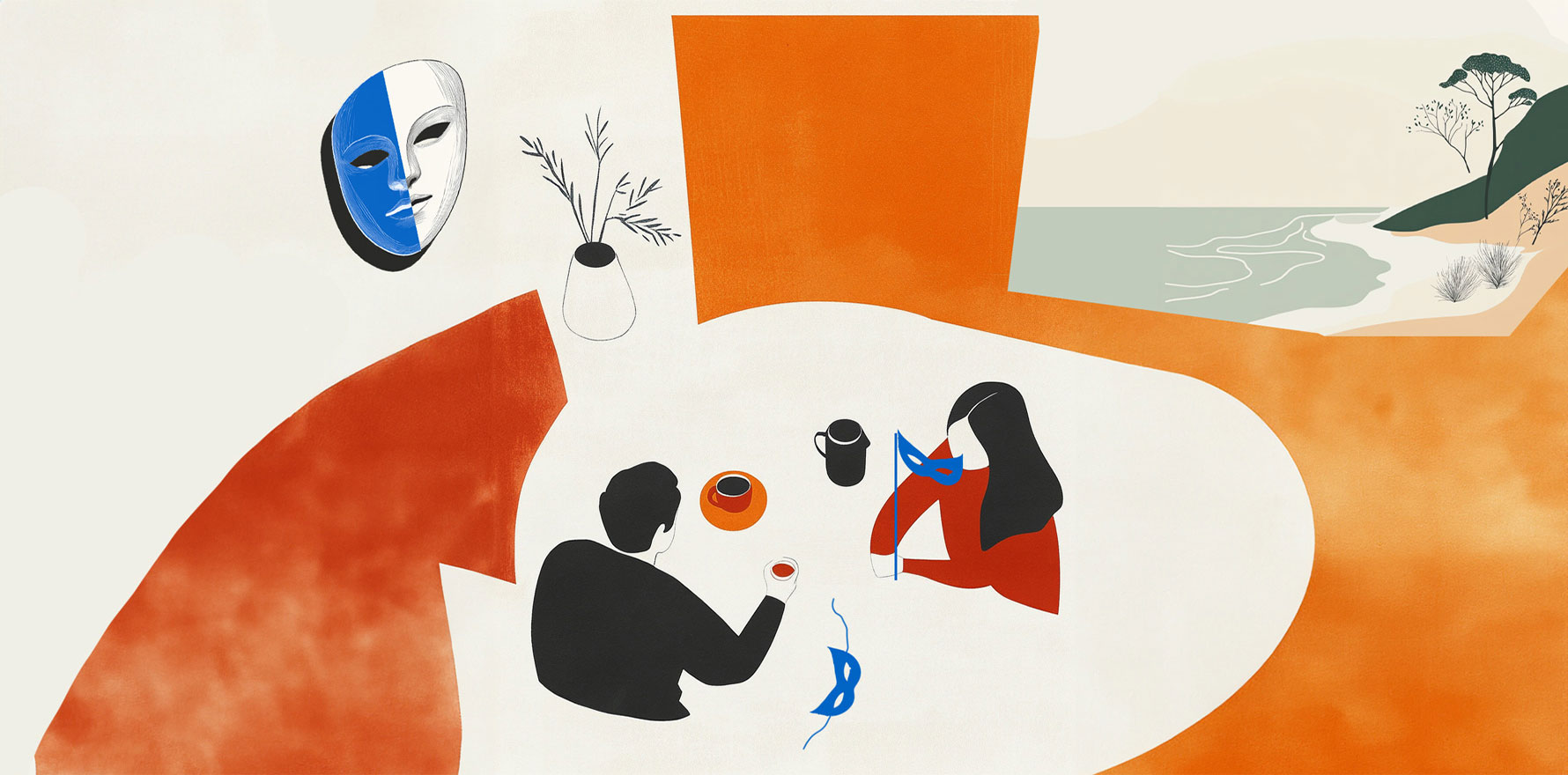
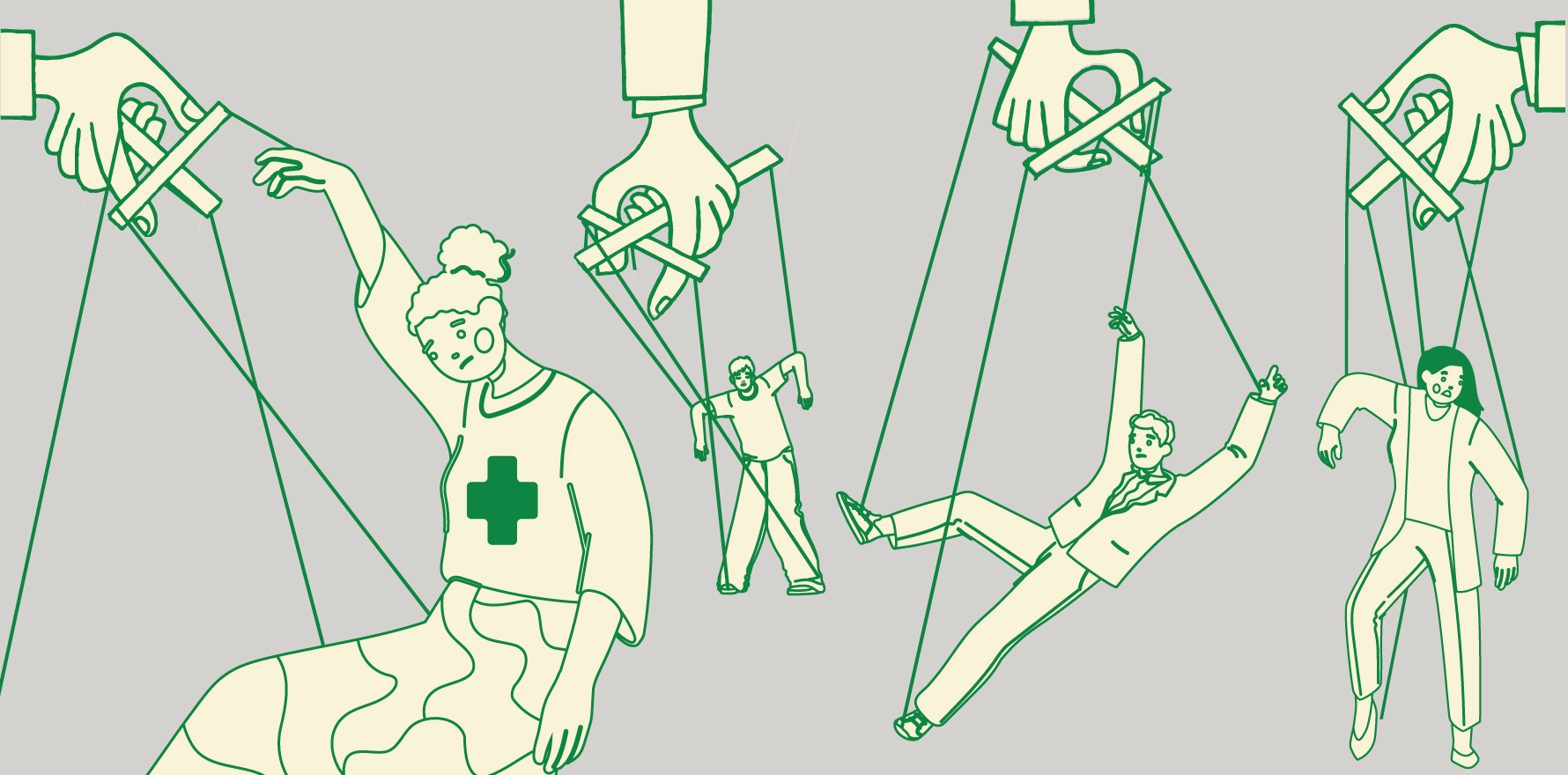
Yet, ideally, none of this should cause our consults to become transactional or scripted, losing the “human” element.
Communication skills, especially the ability to truly hear what the patient needs, are at the heart of the care we provide every day. Hearing lays the platform for the doctor-patient relationship. It’s how we gain understanding and earn trust. It makes the patient feel visible. It makes them feel safe to disclose what’s really ticking for them. It supports continuity of care and the positive health outcomes that flow from it.
It’s also used as a treatment modality, for example in chronic pain. Hearing our patients should resonate with us in a way that allows us to meet the patient where they are, perceive their needs and guide them to the best healthcare choice(s) of their preference, i.e. genuinely patient-centred care.
Hearing the patient takes time and energy from us but the dividends it yields are immense. Remembering that we don’t have to solve all the issues in a single consult is helpful too.
For my friend, he was terrified that he had cancer, having had a rare tumour 15 years earlier, and what this would mean for his wife and two primary school-aged children. He just wanted a GP to walk the path with him, hear his fears and hold him safely, come what may.
It doesn’t seem that unreasonable an expectation, does it? In fact, it’s probably one that we feel we meet in most of our consultations. Yet somehow, amidst the active listening and “following the script”, this was missed and became yet another suboptimal interaction with primary care that further undermined his confidence in all doctors’ ability to manage the whole person.
So, where to from here? For my friend, he’s had his cancer excised and chalked up another unicorn (as opposed to horses and zebras) on his medical history.
After talking with him at length about his negative experiences, he’s started seeing a new GP – a colleague of mine who practises near him – and I hope this is the start of the last doctor-patient relationship that he’ll need to forge.
For me, his situation really hammers home the importance of time as a healer. And I don’t mean the therapeutic wait here, but the importance of giving patients time and space in a consultation that allows them to feel safe and heard, not just listened to. Without this, we’re just following a recipe, baking without heart, and we run the risk of providing a suboptimal care experience despite our best intentions.
Dr Elizabeth Hicks is a GP and author from the Northern Rivers region of NSW.
