


Seemingly arbitrary age cut-offs and service limits prompted the college to send DoHDA back to the drawing board.
While supportive of the general idea, the RACGP is questioning multiple aspects of a Department of Health, Disability and Ageing plan to expand GP MRI access pathways.
The department is currently considering a three-phase approach.
Under the first wave of reforms, GPs would be able to access rebates for requesting lumbar spine MRIs, thoracolumbar spine MRIs, MRIs for suspected stress or insufficiency fractures and foot, ankle, hip and shoulder MRI to confirm certain specific presentations.
The second phase of the expansion would bring in nurse practitioners and physiotherapists, while the third would extend requesting rights to include follow-up imaging and ongoing monitoring.
Each of the draft item descriptors under the first phase of the plan require the patient to be aged 16 years or older.
“The RACGP supports inclusion of thoracolumbar spine MRI in Phase 1 due to its importance in the assessment of spinal trauma, malignancy surveillance and vertebral compression fractures,” the college wrote in its submission.
“However, it is unclear why an age cut-off (16 years) has been introduced for this item, as trauma can occur at younger ages.
“The RACGP requests clarification if this proposed new item will work in conjunction with the existing MRI rule allowing for spine imaging in the under 16 age group.”
Related


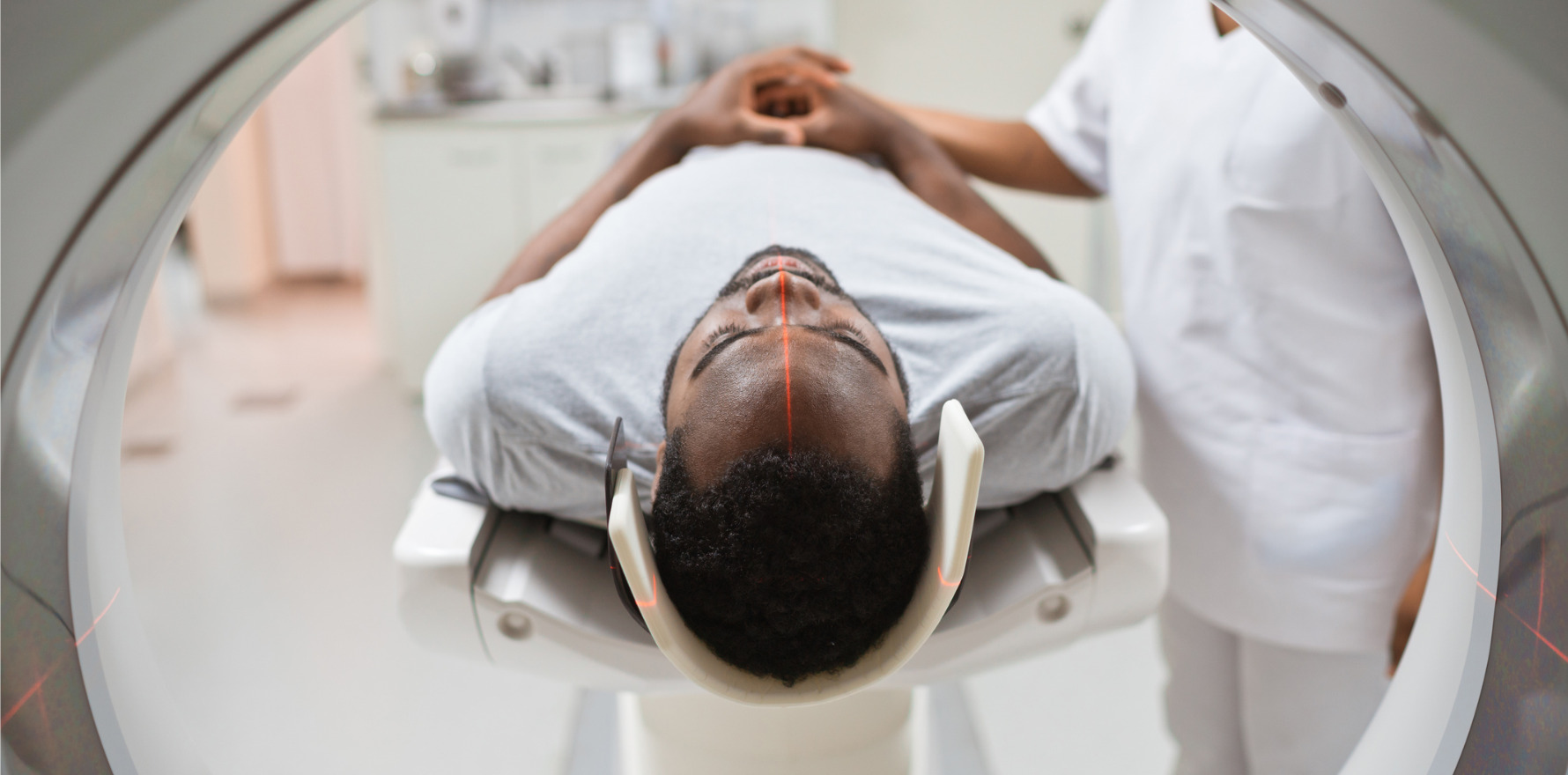
The other sticking point for the college was proposed caps on the number of MRIs that could be requested for each patient, each year.
In response to a question on whether a service limit of two lumbar spine MRIs per 12-month period was appropriate, the RACGP said that the number services should be based on clinical need.
“We note a previous MRI ruling out serious conditions would make a person ineligible for repeat MRI, unless new and concerning clinical features were present,” it wrote.
“However, it makes little clinical sense to limit the new and concerning features to a minimum timeframe. This should instead be considered based on clinical need.”
The college also took issue with the planned phase two inclusions of nurse practitioners and physiotherapists, writing that it was concerned that “the limited training and experience of some nurse practitioners and physiotherapists may lead to low value MRI requests”.
It did, however, concede that it would be appropriate to allow limited access to ordering an MRI by nurse practitioners and physiotherapists if they were part of a GP-led multidisciplinary care team.
