

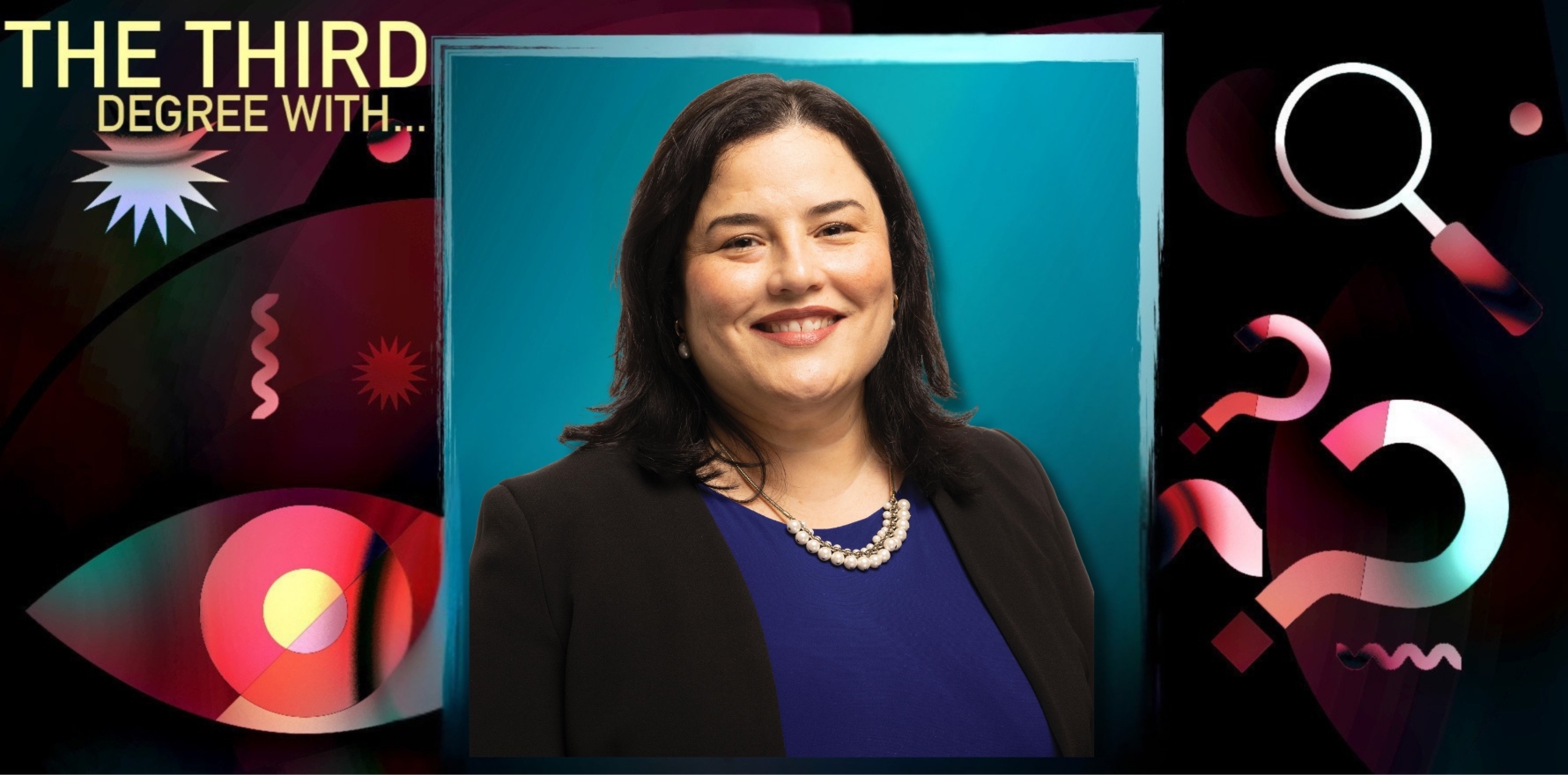
You may know her for her time as AMA Queensland president, but this GP, practice owner, and mother has more than a few insights into practice under her belt.
Dr Maria Boulton was born in El Salvador and has practised as a Brisbane-based GP for almost 25 years.
A former AMA Queensland president, she has also held numerous leadership roles with the RACGP, the Australian GP Alliance and the Queensland Medical Women’s Society.
She sat down for a chat with The Medical Republic to discuss the business of practice and the art of advocacy.
TMR: What drew you to general practice over other specialties?
Dr Boulton: When I was growing up, I thought I wanted to be a surgeon. I spent my internship and Junior House Officer (JHO) year in hospital, and that’s where I was headed for surgery.
I did a three-month stint as a surgical Principal House Officer (PHO) at the Mackay Base Hospital while I was a JHO there, and it was brilliant. I really, really enjoyed the work.
But I married a mining engineer, [so] it just didn’t work out for me to pursue surgery.
So, I started looking at other options. Unfortunately, during my medical student years, I had a terrible general practice rotation.
But when I was in Mackay, I asked Dr Peter Bastable at the time if I could sit with him for a couple of days, just to see whether that was reflective of general practice.
He showed me a different side of general practice, and I just fell in love with it. I ended up becoming a GP and haven’t looked back since.
TMR: You’ve opened your own medical practice, Family Doctors Plus. We’ve seen in the RACGP’s latest Health of the Nation report that female GPs often handle more complex consultations, particularly in women’s health and mental health. What advice would you give a female GP considering opening their own practice?
Dr Boulton: I opened my first general practice in 2016 with my business partner, Dr Fiona Raciti. We opened because we wanted to create a workplace where we delivered high-quality general practice.
We were a little dissatisfied with where we were at the time. I attended the Telstra Business Awards with my husband one night, [where] I heard the founder of Carman’s Muesli speak, and I came back feeling really inspired.
The next day, I was chatting with Fiona, and we decided then and there to open Family Doctors Plus.
You quickly realise that it’s better to have a business partner when you run a business.
Related

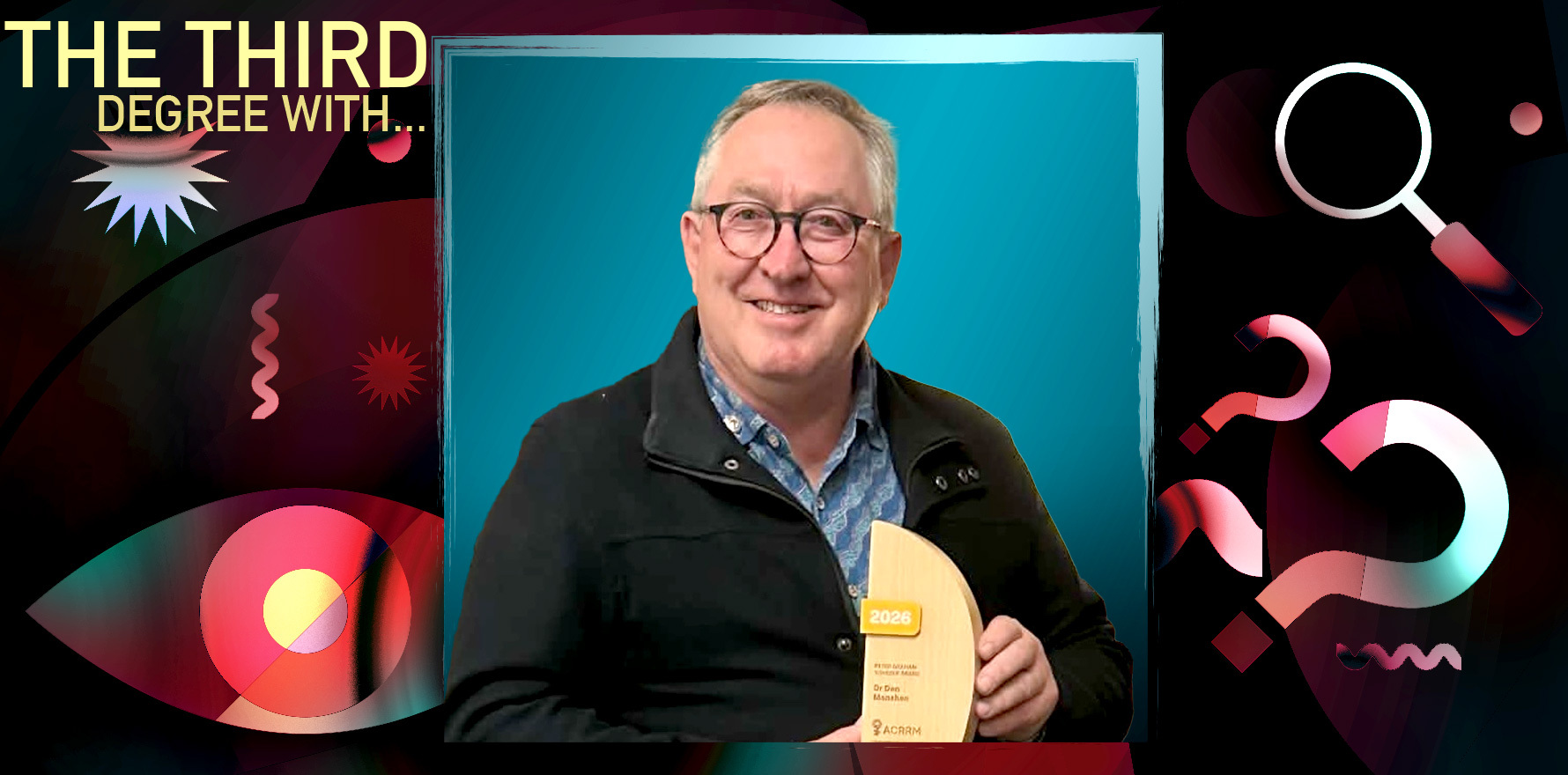
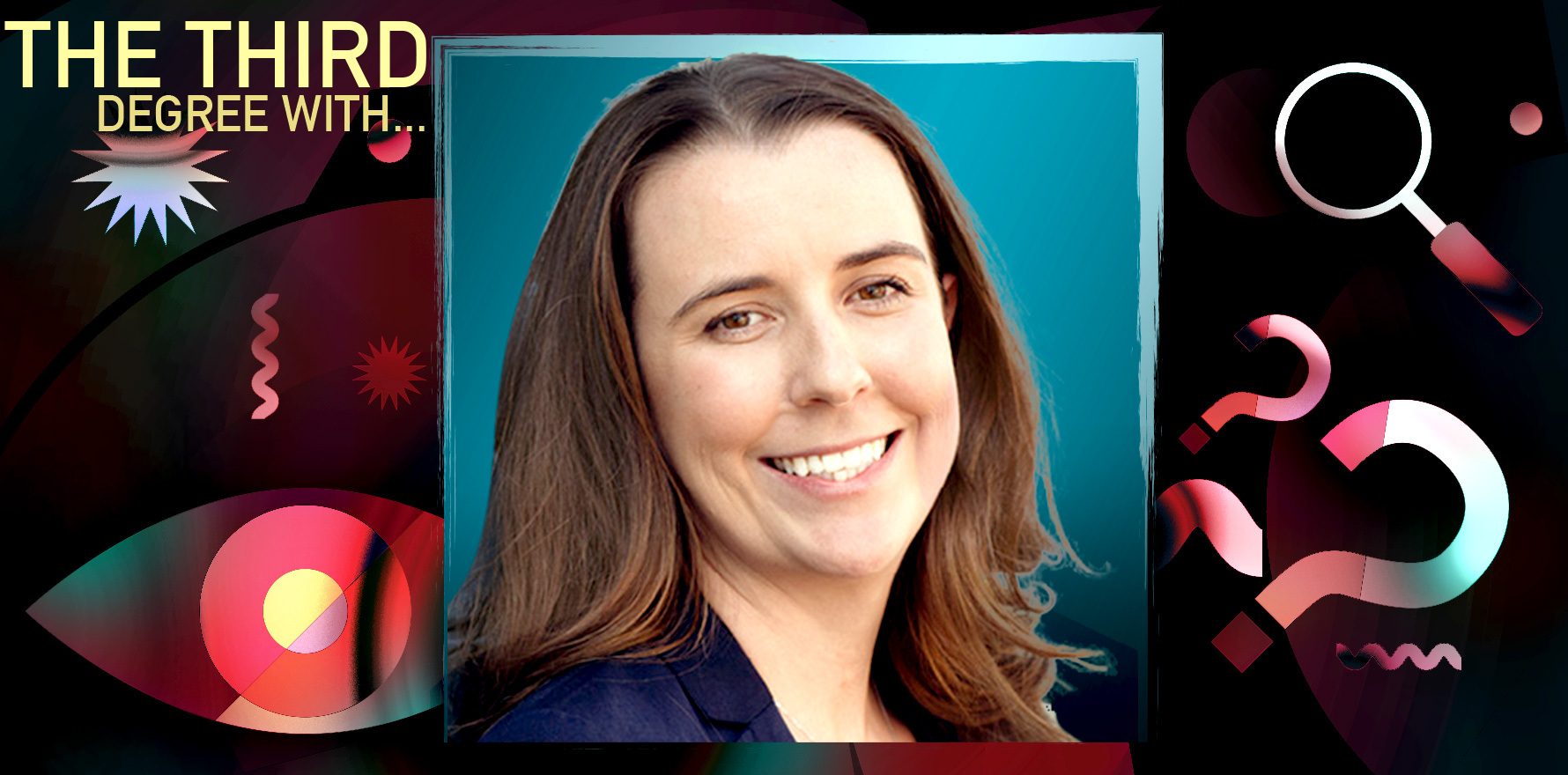
Initially, we were working 31 [to] 35 days in a row because [Family Doctors Plus] was seven days, and it was tough, but it was really great to have someone to share that journey with.
We’re both particularly good at different areas of the business. For somebody starting in business, it’s important to ensure that all your paperwork is really well set out, just in case, like a marriage, it ends up dissolving.
You [also] have to be really clear and find someone whose values align with yours.
Our number one value was that we would rather have an empty consult room than work with someone we wouldn’t trust with our children. To this day, that has served us really, really well.
The other piece of advice is to do your numbers.
You don’t get taught how to run a business, how to prepare a budget or a forecast, or anything like that in medical school.
So it is something you have to learn, and you have to make sure you do understand it. Speak to other practice owners who are already doing it.
There are many hidden costs to running a business. In those early days, when you’re really counting every dollar and tracking where it’s spent, you have to do a lot of it yourself.
And if you’re not getting really good, friendly advice, whether it’s from your accountant, your lawyer, or your IT consultant, then find somebody else.
Particularly if you’re a woman, you need to find people who will support you and speak with you professionally.
Everyone says that three years into a business’s journey, it’ll become much easier.
But then covid happened, and it felt like we were back to day one because there was a lot of work – we committed to delivering as many vaccines as we possibly could.
TMR: As a practice owner, how has the bulk billing practice incentive program, introduced on 1 November 2025, changed the equation for you now, more than a year later?
Dr Boulton: We have a private billing practice, so we can spend time with patients, afford to have nurses and state-of-the-art equipment, and be open seven days.
But even as a private billing practice, there is still a small percentage of patients we bulk bill because they can’t afford it, or perhaps they’re going through a tough time.
It has certainly helped patients continue to access the service, but it hasn’t helped us as a business.
I don’t think we would have signed up to it anyway, because I don’t believe it’s going to be indexed in the way it should be, given the woeful indexation of the Medicare rebates.
We would have preferred that funding be directed to Medicare rebates rather than the BBPIP, and that way ensure that everyone has access to their GP, regardless of whether they bulk bill or where they are located.
You can’t say no to any increase in funding, in any way, shape, or form, because general practice is so neglected.
But it would have been better placed elsewhere, particularly to bring long consultations up to scratch, so that patients get as much back per minute as they do from shorter consultations.
TMR: What did the AMA Queensland presidency teach you about running a general practice that you couldn’t have learned from inside your own clinic?
Dr Boulton: I have a large network of medical colleagues who work across all areas of medicine, including in the emergency department, among surgeons, and in regional and rural Queensland.
Having myself worked regionally and trained rurally for a decade, I certainly felt that, particularly in Queensland, in such a decentralised state, we needed a greater voice.
What my time as AMA Queensland president brought me was confidence in speaking up and a deeper understanding of the pressure points in the system.
It is the greatest privilege of the role to listen to members from all over, members who come in with anything from deep concerns to bureaucratic annoyances to practical ideas to make services better, and to be the voice for those members.
It also broadened my network of business owners in medicine. I know GP practice owners all over Australia, and the network was very active during covid, as we shared many innovative ideas.
I can reach out to many business owners and say: ‘We’re having this problem. Is there a better way to handle this, or what do you think of this new software? Has anyone tried it?’
We think general practices are all isolated and that we’re silos, but we’re not. We can be very collaborative.
TMR: In December 2025, after your presidency had ended, AMA Queensland broke away from the federal AMA. How did that unfold, and what did you learn from it?
Dr Boulton: AMA Queensland was there many, many decades before AMA Federal. We’ve been having conversations for many, many years about the service relationship, and at the moment we’re firmly focused, as AMA Queensland, on delivering for our members.
We have a national platform both in the media and when it comes to access to the health minister, the shadow health minister federally, and other stakeholders, so it’s nothing new for us, and we’ll just continue fiercely advocating in that space.
Queensland is a really amazing state. Everything gets tried out here first, which means we have to be a very agile state when it comes to advocacy.
We are very decentralised, so our needs are very different from those of other states such as New South Wales and Victoria, and so our advocacy, even federally, sometimes has to be different because our members ask for those differences.
When I became AMA Queensland president, I knew the main issues affecting the various craft groups within the membership. At the time, the top priorities for GPs were payroll tax, Medicare rebates, and workforce.
During my time and my successor’s, Dr Nick Yim, we delivered the GP payroll tax exemption, which was the first of its kind.
It would have been great if that had been carried nationally, but it hasn’t achieved the same success as we’ve had in Queensland, which is disappointing for my colleagues in other states and territories.
As for what I learnt, in any advocacy role, you just learn patience and hard work. You have to be really determined. We know there is an issue with junior doctors-in-training gaining entry to specialist pathway training programs.
We also know there aren’t enough medical students, and we’re advocating for the state to release a workforce plan, which we’ve been eagerly awaiting.
TMR: What have you been focused on over the past two years since finishing as AMA Queensland president, and what are you looking to do next?
Dr Boulton: I’m the current chair of the AMA Queensland board. I’ve taken over from a very experienced and capable GP, Dr Eleanor Chew, who is incredible and whom I consider my mentor. So, it’s doing the best job I possibly can.
I’m also a director of the AMA Queensland Foundation, the AMA Queensland’s charitable arm.
We administer bursaries for medical students who are struggling financially and might otherwise have to quit their studies without them, and also fund research.
Just [last week], we launched the AMA Queensland Gazelles, a movement to empower and uplift other women [in medicine].
We’re going to have some pins made so that whenever women attend a meeting or conference and see another woman wearing this special pin, they know that person can help, even if it’s just a cup of hot chocolate.
You can go into a room full of strangers and know that someone there will also be looking out for you, which is lovely.
The three practices keep me busy, and making sure that our team has everything they need to continue doing the brilliant job they do is always really important.
Number one is always family. I have two children – one at Uni, one at school – and my husband. They’ve always been my number one priority.
It doesn’t matter what role I’ve done. When my children were younger and I was first running the business, if I could make the time to see them perform at their school play, I would do it.
TMR: Now for a more light-hearted question. How do you switch off after a long day at the clinic or at AMA Queensland?
Dr Boulton: I love going to movies, and the current AMA Queensland president, it’s perhaps like twice a year we’ll go in and catch a movie, or I’ll go by myself if I have the time.
It’s really great because I know I’ll be in a dark room for two or three hours. I’ll have to turn my phone off, and I won’t even be able to check email.
Often, it’ll be a movie tied to a book. So, I would either read the book first or read it later.
My movie recommendation for the year would have to be Project Hail Mary – it had a lot of heart. At the start of the movie, Ryan Gosling’s character is a little down in the dumps, but he quickly realises that you just can’t be like that.
You really have to get involved and find a solution to your problem, and that’s very much what anyone in advocacy does.
I love reading as well. My [non-medical] friends and I have a book club that’s kind of morphed into a mahjong club. We’re very much beginners, and it’s a really interesting game. It keeps your mind active, and it’s lovely to catch up with friends.
This interview has been edited for length and clarity.
