


The Health of the Nation report has taken a snapshot of where racism lies in the GP workforce.
The RACGP Health of the Nation report has shed light on the scope of racism in the GP workforce, with more than 30% of respondents having witnessed racism toward patients in the broader healthcare system.
This has prompted the RACGP to renew calls for reform when it comes to tackling racism in healthcare.
“Racism in the health system is an issue that affects healthcare workers and patients alike. It is not something we can ignore, and it is certainly not something that will fix itself,” RACGP president Dr Michael Wright said.
“These findings make it very clear that both action and resources are needed to tackle systemic racism in the health system, including general practice.
“The message is unmistakeable: racism is bad for people’s health, and patients and GPs must be protected from it.”
Other findings from the report showed that 14% of GPs had witnessed racism against a patient in their practice and that nearly a fifth (18%) of GPs had personally experienced racism from a patient in their practice.
Equipping GPs to be able to effectively address racism is still an ongoing task, per the report, with a further 10% of GPs having experienced racism from a colleague.
The majority of respondents (63%) stated that they felt confident in responding to racism, with only 11% indicating that they do not feel confident in their abilities.
“Raising the awareness is one bit and that’s one of the purposes of doing the survey is really just to shine a light on the issue,” Dr Wright told The Medical Republic.
“One of the things that we’d really like the government to do is to fund us to do some more research using a tool that helps people to identify and address racism.

“When it comes with a confidence issue, as well as people not quite knowing what to do, certainly having more conversations so that people understand what racism is, being able to call it out safely, and also knowing that your workplace doesn’t tolerate racism of any form [is helpful].”
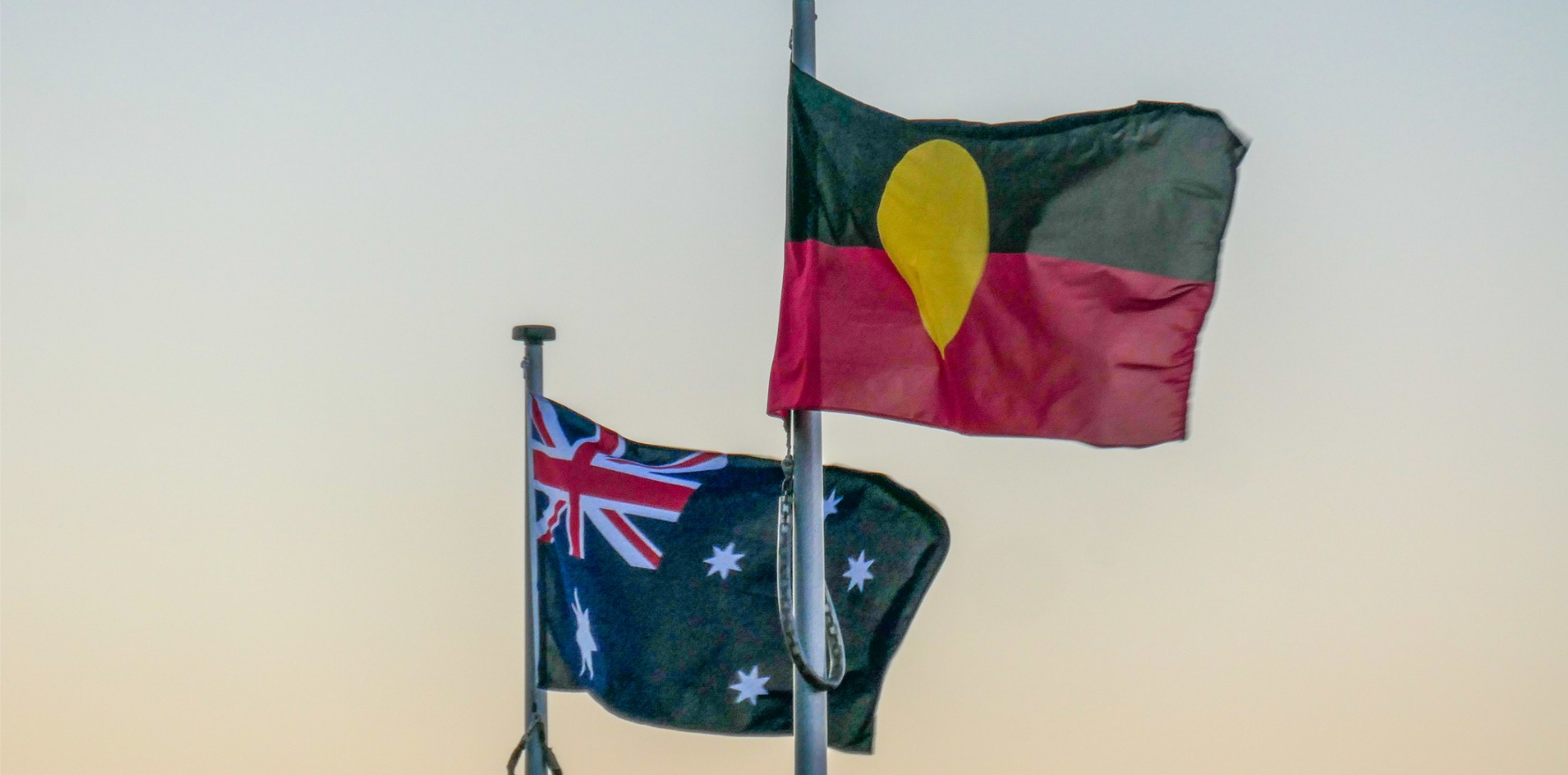
The RACGP has implemented workplace initiatives such as the Aboriginal and Torres Strait Islander Cultural and Health Training Framework to address racism in general practice through further integration of cultural care.
This framework has been informed by the Aboriginal and Torres Strait Islander members of the Framework Steering Committee and are supported by Aboriginal and Torres Strait Islander led research to ensure effective cultural sensitivity.
“Racism makes people sick,” Dr Wright said.
“It has significant health impacts, causing stress and contributing to poorer outcomes across a range of conditions including cardiovascular disease, diabetes, cancer, and psychological distress.
“Racism can also prevent people from seeking the care they need.”
The RACGP has stated that this snapshot will also help support the internationally-trained GPs that make up such a large percentage of the general practice workforce.
“We know that the majority of our GPs did their medical degree in another country, and so they’re a really diverse group, and we have to make sure that they’re not discriminated against,” Dr Wright told TMR.
“That really provides almost some ground rules of how you treat people in a culturally safe way.
“Many of those learnings are applicable to all of us, including all of our GPs and patients who come from other countries, and also those from marginalised populations, such as our Aboriginal and Torres Strait Islander Australians.”
