

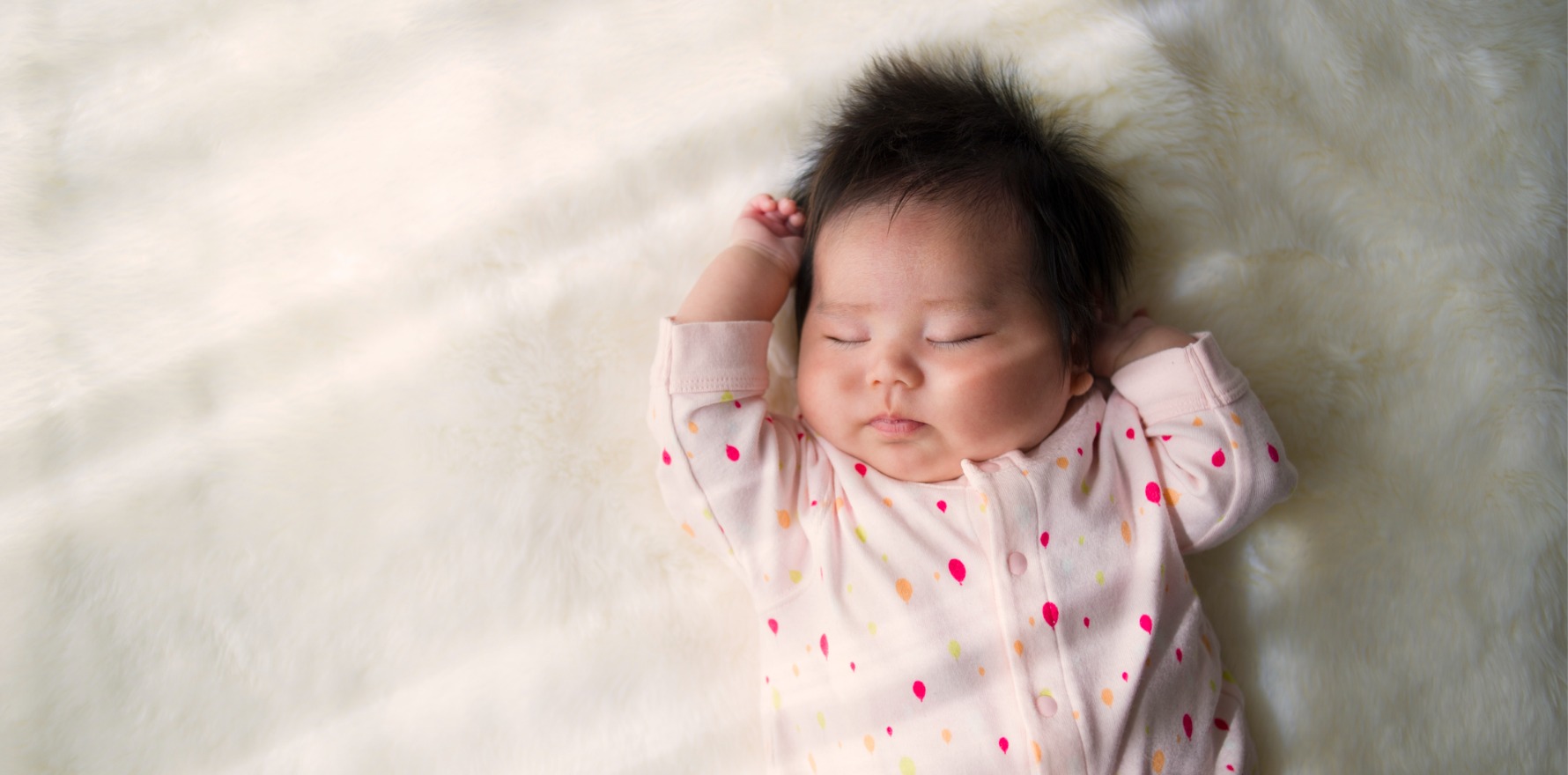
‘Lifesaving breakthrough’ hailed as a major step forward and will protect infants from more strains.
Australian infants now have more protection against pneumococcal disease, thanks to a new vaccine listed on the National Immunisation Program.
On 1 September, Prevenar 20 (Pfizer) was added to the NIP for infants and children aged six weeks and older.
The Meningitis Centre Australia heralded the move as a “lifesaving breakthrough for Australian babies”.
“Expanding coverage from 13 to 20 types means stronger protection for our babies,” MCA Chair Bruce Langoulant told press.
The new vaccine has a three-dose schedule, administered to infants at two, four and 12 months, with an additional dose at six months for Aboriginal or Torres Strait Islander and some high risk infants.
“The first pneumococcal vaccine in 2005 covered seven types. Over time it grew to 13, and now to 20,” said Mr Langoulant. “This is a big leap forward. The more protection we can offer babies – the better.”
The vaccine was designed to protects against serotypes 1, 3, 4, 5, 6A, 6B, 7F, 8, 9V, 10A, 11A, 12F, 14, 15B, 18C, 19A, 19F, 22F, 23F and 33F.
Last year, reported pneumococcal cases reached 2379 – a 20-year high.
Related
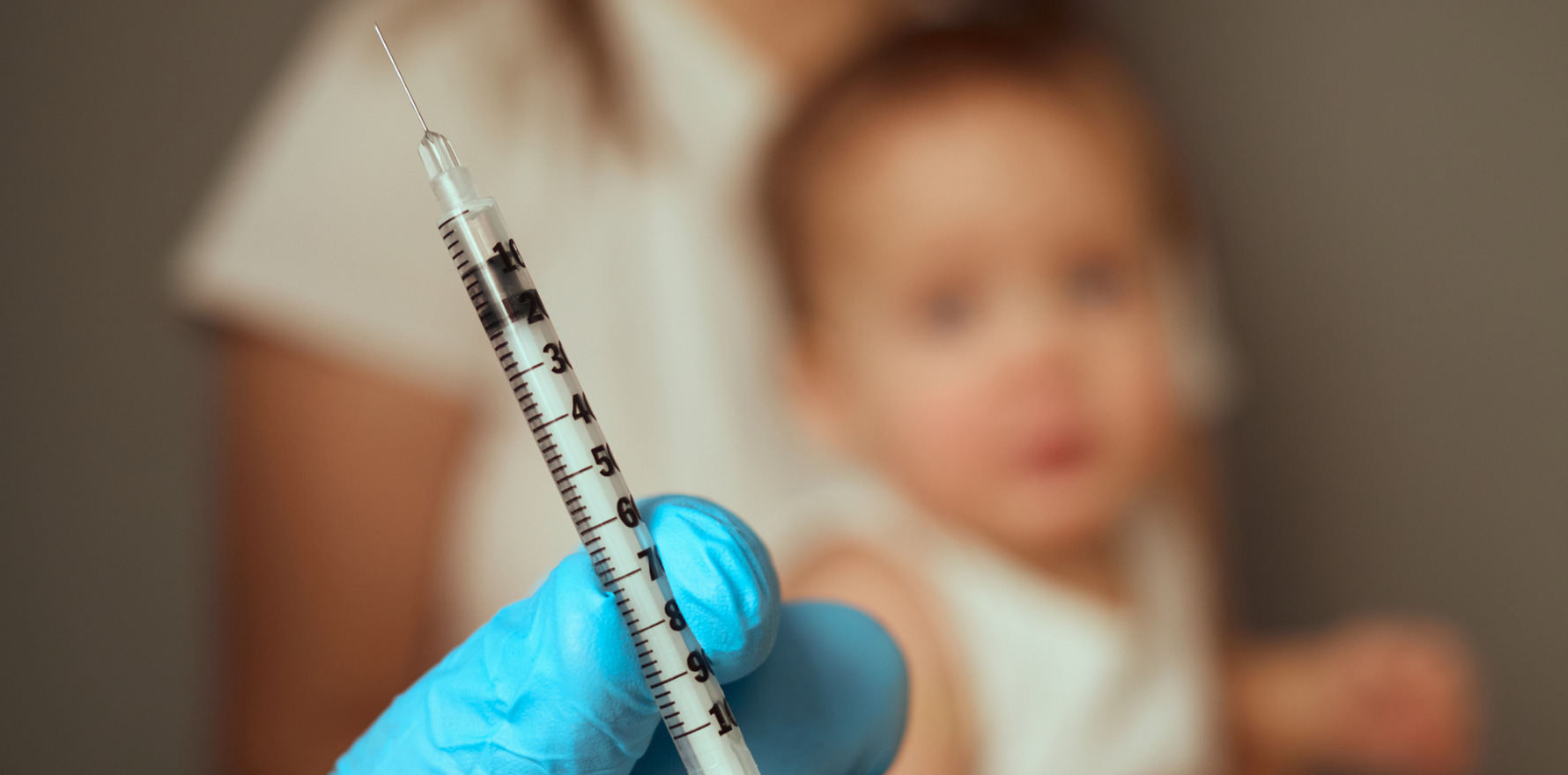

“The rise in invasive pneumococcal disease cases highlights the evolving nature of these bacteria, including the emergence of new serotypes,” Dr Rama Kandasamy, a paediatrician and researcher based at The Children’s Hospital Westmead and the University of Sydney told press.
“Ensuring broader vaccine coverage is essential to protecting children and vulnerable populations from these potentially life-threatening infections.”
For premature babies, the first dose may be given as early as six weeks, with subsequent doses at least four weeks apart and the fourth injection around one year of age.
Children aged between six and 17 years are eligible for one dose only, as are eligible adults.
If a patient is getting two separate vaccines at the same time, they should be administered in separate arms, according to the manufacturer.
Side effects may include fatigue, fever or chills, irritability, crying, affected sleep, headache, decreased appetite, nausea, vomiting, diarrhoea, rash, joint or muscle pain, injection site effects, swelling of the glands in the neck, armpit or groin.
According to the manufacturer, medical care should be sought if patients experience immune reactions such as allergic reactions, temperatures higher than 39C in babies and young children, seizure or convulsion, which may come with a very high temperature, or if the child is pale and unresponsive.
