


It’s time to close the door on chaos and open the door to control, confidence, and care.
Walk into any hospital and you’ll witness the carnage of clinicians logging into terminals, scanning ID cards, answering urgent pages, and updating digital charts – in some cases, in a sprint against death.
But beyond the curtain of care lies a hidden architecture of access and authority. A framework quietly deciding who sees what, when, and why.
When that system gets left to its own devices – due to being unmanaged or outdated – the result is the dangerous condition of identity chaos.
In healthcare, identity chaos is a real and rising threat.
It happens when user roles overlap, temporary staff accounts aren’t removed, and outdated permissions begin to accumulate in a critical care institution. And when attackers can get through the clutter, they enter a goldmine of personal and health data ready to be stolen.
The high stakes of healthcare data breaches
Healthcare data is a treasure trove for attackers: full of identities, perfect for exploitation, and hard to replace.
In 2024, MediSecure, an electronic prescription provider, suffered one of the most devastating data breaches in Australia’s healthcare history, with nearly 13 million individuals affected.
And the risks are mounting.
According to a recent study of security leaders, 77% of chief information security officers experienced an identity-related cyberattack in 2023. A majority acknowledged that their current identity tools aren’t keeping pace with evolving threats.
Even after major breaches, many organisations have failed to rethink their practices around managing PII and sensitive data, allowing identity chaos to thrive.
Related

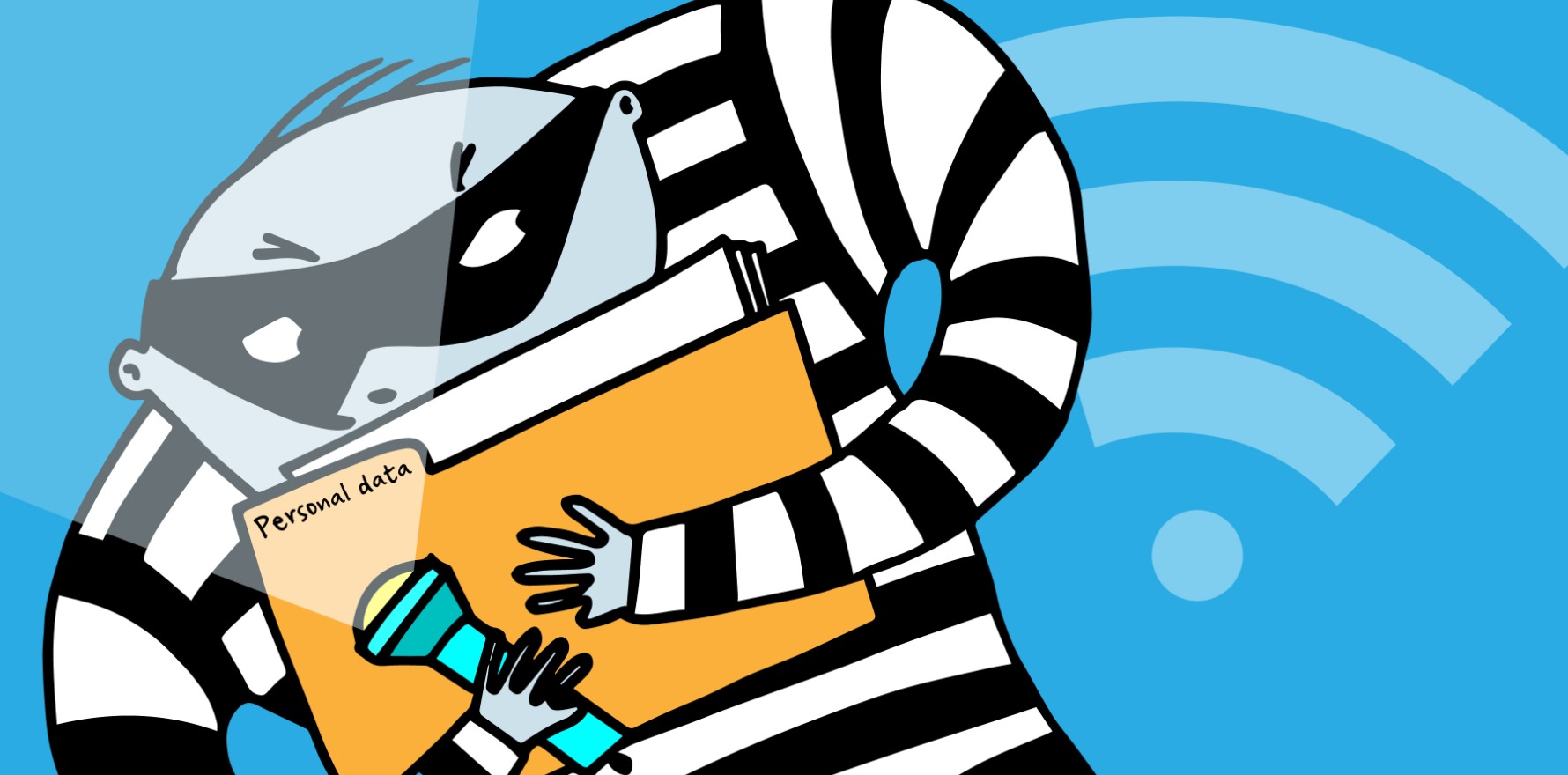

With identity chaos at the heart of the storm, the problem is that healthcare environments aren’t like typical office networks. Roles shift frequently. Temporary clinicians rotate in and out. Contractors, researchers, and vendors all require varying levels of access, often on short notice and across multiple platforms.
Traditional cybersecurity tools designed for predictable environments aren’t built to handle this level or frequency of change.
That’s where identity and access management becomes essential.
IAM is the practice of ensuring that only the right individuals and devices have access to the right data and systems at the right time – and only for as long as necessary. It’s not just about keeping the bad guys out; it’s about giving employees what they need without overexposing the system.
Understanding IAM in healthcare
In a healthcare setting, where seconds matter and lives depend on quick access, IAM must strike a careful balance between agility and security.
If systems are too restrictive, clinicians are slowed down. If they’re too lenient, sensitive patient data is left vulnerable.
To maintain data security, systems must grant access to patient data on a need-to-know basis, ensuring staff only have access to information relevant to their immediate tasks.
Healthcare leaders must recognise that identity is no longer a username and password issue for the back-office IT crowd, but an organisation-wide issue central to patient safety, regulatory compliance, and public trust. It’s about managing a dynamic, constantly changing web of digital relationships between people, devices, applications, and data.
Fortunately, privacy watchdogs are calling out data governance as a major concern in digital health. For healthcare organisations that want to take data protection seriously, this means having tighter control over the links within interconnected and cloud-based systems. Without proper IAM, even the most secure systems become targets for data breaches.
IAM allows healthcare institutions to bring order to the chaos. It ensures that as new clinicians come in and old ones leave, access remains specific to roles, responsibilities, and risk levels. It supports compliance by ensuring access can be tracked, reviewed, and revoked in real time. Moreover, it builds a culture where access isn’t just granted. It’s earned, measured, and monitored.
Restoring order for resilient healthcare IT
Imagine identity as the circulatory system of healthcare IT: unseen by patients, but essential to every heartbeat of care. If that system is clogged or wide open, the consequences aren’t just digital. They’re human.
Bringing harmony to identity chaos is not a one-time fix. It’s an ongoing strategy. But if healthcare institutions are serious about protecting patient data, maintaining operational resilience, and earning trust, there’s no other way forward.
Order in healthcare starts with order in identities. It’s time to close the door on chaos and open the door to control, confidence, and care.
Ram Vaidyanathan is the chief IT security evangelist at ManageEngine.
