


A new proposal from the RACGP for rural has landed well as an effective temporary solution to workforce shortages.
The RACGP’s visit to parliament this week has resulted in what could be a massive win for rural health.
In a budget proposal, the RACGP has put forward an initiative that would financially support GPs from major cities to work in rural practices.
It will cost less than $3 million per year, mostly on providing metro GPs with accommodation and travel to rural areas, says the college.
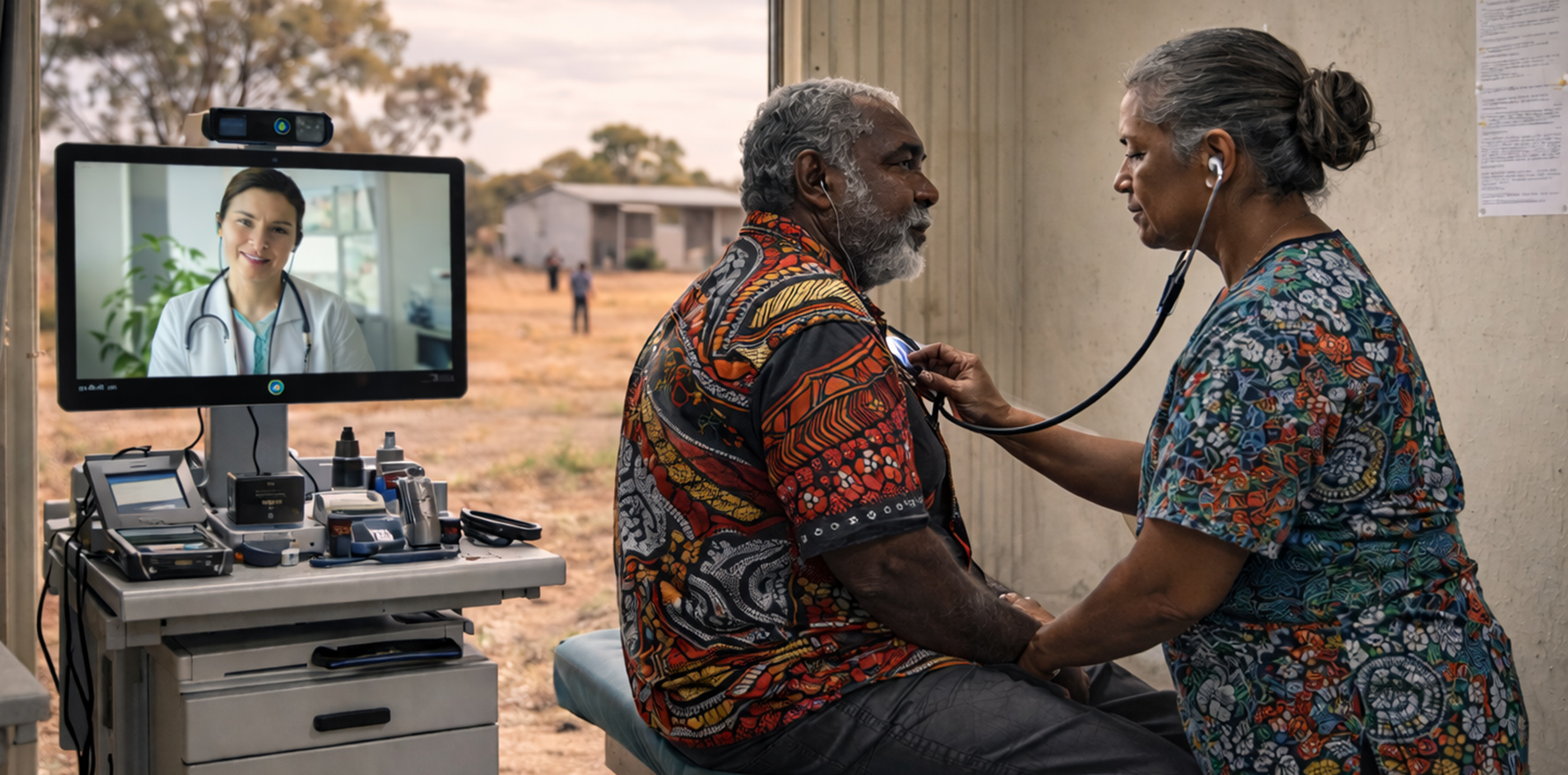
The “Pathways to Rural” program would fund metro GPs to spend four weeks per year providing rural care and build ongoing relationships with patients and communities.
The proposal will provide a total of 600 weeks of metro GPs working in rural communities per year.
“This kind of work where a GP is supported to develop a long-term relationship with rural community has been going on in various forms across the country for many years,” RACGP rural chair Associate Professor Michael Clements told The Medical Republic.
“It’s a great model that we are essentially seeking as a college to host. We will provide the administration and the support to match city GPs with rural communities.
“[The program will also] identify the skilling uplift that people – identifying what learning, what education that city GP might want to be able to bring to that community.”
Rural health bodies have praised the initiative as an effective temporary solution to workforce shortages while also outlining that this should be a first step in ensuring greater rural health support.
“If you’re a GP in the city, moving to practice rurally can mean that you’re uprooting your whole life,” National Rural Health Alliance CEO Susanne Tegen told TMR.
“But let’s flip it around and say, well, what about people that are working in rural communities – they have to deal with that all the time.
“It’s really important that relationship is built between urban and rural, because these are your uncles, your aunts, your cousins and let’s make sure that rural communities are vibrant.”
With rural Australia making up 30% of the population, the historical underfunding of rural health is a key reason why the new initiative should not be seen as a permanent solution.
“I don’t think it can distract us from the core goal of trying to attract Australian medical graduates into choosing general practice or rural generalist medicine as a career option,” Rural Doctors Association of Australia CEO Peta Rutherford told TMR.
Related


“I don’t think this is an alternative or permanent solution to the workforce shortages.
“It really is about tapping into the popularity of that and embedding rural generalist medicine into our Australian healthcare system.”
Professor Clements said the initiative does present a meaningful opportunity for further changes to benefit rural healthcare.
“What we’re hoping is that this is about making new connections between city and rural areas, and then once we’ve made that connection, we’re hoping that that would be sustainable,” he said.
“What we’re doing is providing a strategy and some structure to some of the ad hoc programs that are already going on around the country.
“If this builds, then we can also start to seek funding from the PHNs, from workforce agencies, from councils and other funding bodies to actually continue this.”
