


New research from James Cook University provides insights into the facilitators and challenges of dispensing emergency hormonal contraception.
Some Australian pharmacists can’t access don’t have access to emergency hormonal contraception guidelines, while others are so set in their ways they fail to follow its recommendations.
Like many overseas countries, Australia has established guidelines for the use of emergency hormone contraceptive pills such as levonorgestrel and ulipristal acetate.
But a new Australian qualitative study, published in the Australian Journal of Primary Health, suggests that the existence of guidelines doesn’t guarantee they are accessible or useful when trying to assess and assist patients seeking emergency contraception after having unprotected sex.
“This study revealed key behavioural and contextual factors influencing Australian pharmacists’ provision of emergency contraception, particularly their use of practice guidelines,” the researchers wrote.
“Pharmacists described guidelines as inaccessible, ambiguous and impractical, contributing to inconsistent provision and reduced adherence to evidence-based ECP recommendations.”
Researchers interviewed 17 pharmacists (12 of whom were women) from across Australia. Their experience as practicing pharmacists varied ranged from less than one year to 40 years, with most (n = 11) working in urban areas (defined as Modified Monash Model 1-3 locations). Less than a quarter of participants reported being a member of the Pharmaceutical Society of Australia.
Four themes became apparent when all interviews were considered: decision-making in the provision of ECP, geographic variation in practice, how guidelines were (or weren’t used) and knowledge gaps/training needs.
While it was clear all participants understood the theory behind the use of ECP, there were significant differences between the recommended guidelines and clinical judgement that demonstrated how knowledge, skills and beliefs influenced ECP supply.
One pharmacist reported being set in their ways and offering levonorgestrel to patients in the first instance, despite guidelines dictating that ulipristal acetate should be used.
“My starting point is the levonorgestrel, because it’s been around a long time, I’m familiar with it and the ulipristal is more complicated … I do not think I have ever used it,” a female pharmacist from a MM7 area said.
Other participants said they had no choice in the matter, as their place of employment did not stock ulipristal or preferred dispensing levonorgestrel. The cost of ECP was also flagged as a potential issue.
“It’s a A$10 difference between the two [UPA being more expensive]. Where I work is in a lower socioeconomic area … I’d say 80% of the time, people would probably lean towards the cheaper option,” a male pharmacist (MM1 area) said.
Related


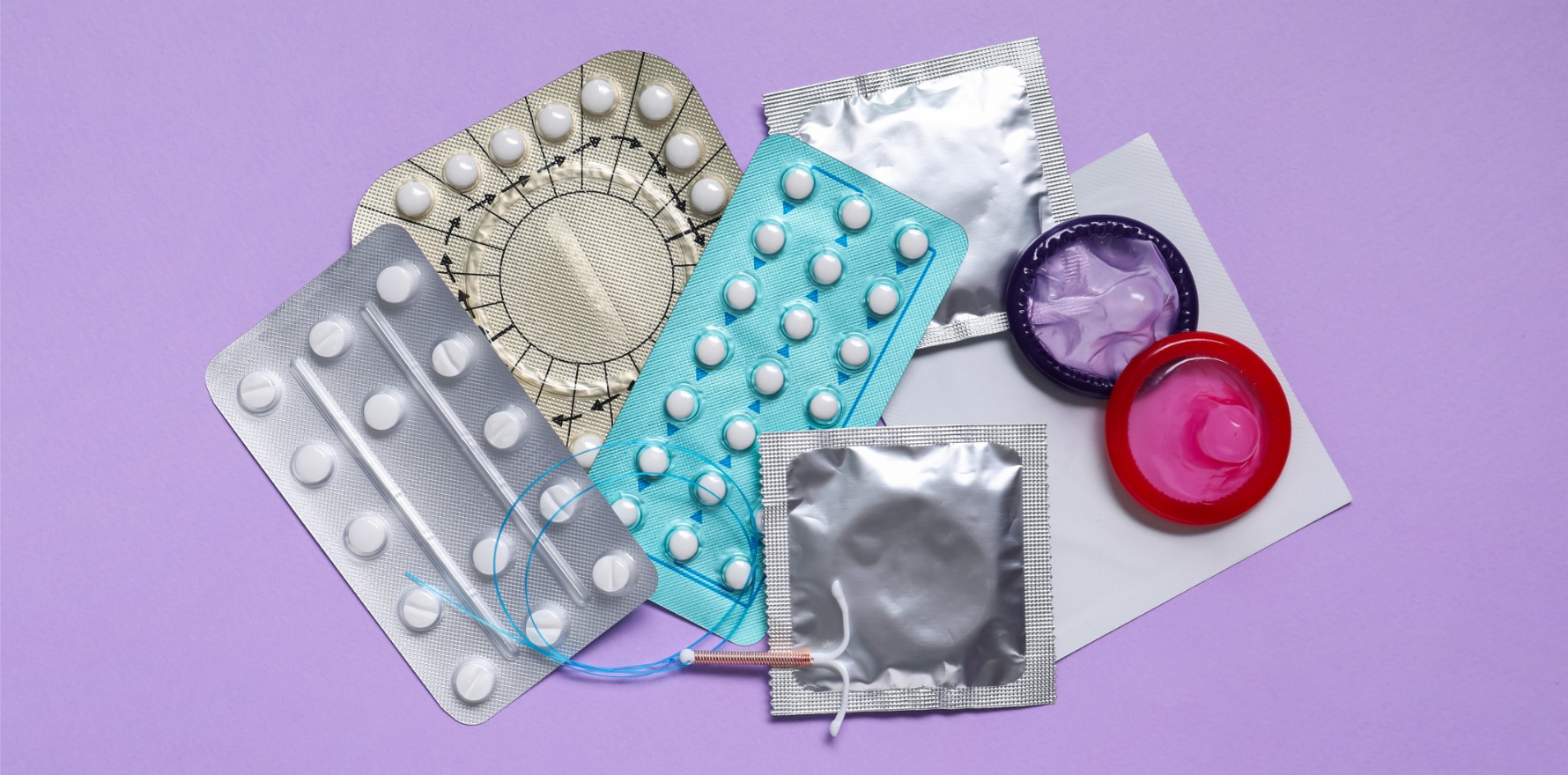
The interviews also revealed that pharmacists working in remote areas were more willing to consider providing ECP to people ahead of time (i.e., advanced provision) than their urban counterparts.
“Working out in the bush … I think it’s a very reasonable thing, again it’s about benefit versus risk … make sure she knew how to use it, when she needed to use it,” said a female pharmacist (MM7 area).
“If they wanted to keep it at home, I’m not super keen. Every day of the year you’ve got a pharmacy open, unless you wanted it at 3 am, it’s a thing that can wait for two [hours],” said a male pharmacist (MM1 area).
Most pharmacists were not PSA members, meaning they were unable to access ECP guidelines. In addition, several of the respondents who were able to access the guidelines were critical of them.
“They’re very grey, not the most clear cut. I don’t like where it’s a bit of interpretation. Like the age guideline, based on your jurisdiction,” a male pharmacist (MM3 area) said.
Participants also highlighted the need for further training and guidance around providing ECP to adolescents, as well as transgender and gender diverse individuals.
“If they’re young, then I’ll be referring to the GP. You just don’t know what the legal implications are nowadays,” said a male pharmacist (MM3 area).
“I think back in the days we used to do them from 16 … now you just want … to protect yourself if they’re under 18. I don’t even know what the law is, to be honest … if they’re young, then I will just refer,” said a male pharmacist (MM3 area).
“I guess considerations and concerns would be …because it’s still a hormone, would this interfere with their usual hormonal treatment?,” said a female pharmacist (MM1 area).
Potential limitations to the study included its small sample size and the lack of information on pharmacy ownership, which prevented the researchers from comparing independent pharmacies with retail chains.
