


New Zealand, UK and Sweden have shown what a modern comprehensive evidence-based approach to smoking cessation can achieve.
The saying “where there’s smoke there’s fire” was never meant to be taken literally.
But this linguistic nuance is lost on competing criminal forces, with escalating fire-bombings of tobacconists in their quest to dominate Australia’s illicit tobacco market.
It has spread beyond tobacconists. Other businesses owned by rival criminals are being targeted – ice-cream shops in seaside towns, coffee shops, nail salons.
The tentacles of organised crime don’t stop there – a shipping container of illicit tobacco here, a return journey linked to human trafficking, weapons and drugs there. Like water flowing around rocks, intricate financial and supplier networks swiftly adapt to whatever enforcement and penalties they encounter.
In response, the federal government inquiry into the illegal tobacco crisis is now underway. A growing list of submissions are publicly available. The Australian Border Force pulls no punches in its submission.
The language may be measured, but make no mistake, this submission is a big deal. The ABF, a federal body, is directly challenging government policy. Brave, as Sir Humphrey of Yes Minister would say.
The ABF submission describes the illicit tobacco trade as “becoming more complex and volatile”. It predicts ongoing turf wars as syndicates consolidate control, a hardening of the criminal ecosystem, a “poly-criminal pivot” where illicit tobacco/vapes are part of a “diverse portfolio” (and the contents of this portfolio have no place in any boring managed fund), and greater domestic production of illicit tobacco.
Let that final part sink in.
I shudder to think of the tactics these ruthless criminal syndicates will use to “convince” local farmers to grow illicit tobacco.
Tellingly, the ABF observes that due to “the scale, resilience and adaptability of the (illicit) market … enforcement alone will not deliver sustained reductions in illicit tobacco activity”.
Now, this sentence may not strike you as particularly hard-hitting. But when the Australian Border Force essentially tells the federal government: “Listen up, we’re doing everything humanly possible to stop illicit tobacco trade. IT’S NOT WORKING. Your turn”.
All I can say is this: our government needs to take serious heed.
And this is where it gets really interesting. On the final page of the ABF’s submission a few succinct paragraphs speak volumes.
The ABF doesn’t exactly tell the government that our tobacco excise is too high and is part of the problem. But like that teacher at every school who can quieten a room without saying a word, the ABF doesn’t need to labour the point.
Some quiet phrases – “price sensitivity”, “profitable price differentials”, a “sustained consumer willingness to purchase illicit product” do the trick.
Sure, the ABF could have said: “Listen up government. Smokers tend to have lower disposable income. They won’t stop smoking. Legal tobacco is at least triple that of illicit. Do the maths.”
However, even THAT bombshell (albeit hidden in subtle phrases) is no match for what comes next.
Our Australian Border Force appears to be a card-carrying supporter of what is known as “tobacco harm reduction”. This would include recommending vapes (regulated, not illicit) as a smoking cessation tool.
This is a good thing.
What exactly did the ABF say? On that exciting, cliff-hanger final page of its submission is an interesting collection of words:
“Absent demand reduction measures, enforcement activity alone will continue to be offset by sustained consumer willingness to purchase illicit product … understanding consumer motivations (and) substitution behaviours … complementary policy responses (to reduce) the demand … evidence-based measures to reduce consumer demand”.
Okay, I know that at first glance this doesn’t shriek “ABF 4 Vapes”. Here’s an approximate translation, from my perspective as a GP who specialises in smoking cessation and vape prescriptions:
“Dear government/boss. If you want us to wipe out the illicit tobacco market, then you need to find ways to reduce the demand for cigarettes. Because we’re having a really tough time reducing the supply by ourselves. Smokers are going to keep smoking unless we provide them with effective pragmatic alternatives.
“People smoke for all sorts of reasons – obviously for the nicotine, but there’s also a host of social and behavioural reasons why they like that hand-to-mouth ritual so much.
“There’s a bunch of solid global evidence out there that points to safer substitutes such as vapes being very effective.
“Yes, we know about the recent UNSW report linking vaping to lung and oral cancer. Sounds scary, but don’t believe all the media hype.
“Look at what global researchers have said about this report instead. Check out New Zealand, UK, and Sweden.
“There’s some pretty exciting smoking cessation measures out there, with regulated vapes and even pouches showing amazing promise.
“By the way, you really need to reconsider the prescription model for regulated pharmacy vapes. The products are great, but it’s practically impossible to navigate the script system. Just saying.”
Tobacco harm reduction is simply the concept that instead of cigarettes, there are safer ways for adults to use nicotine. Combustible tobacco is the deadly delivery device. Burning tobacco leaves produces hundreds of harmful chemicals and carcinogens, carbon monoxide, and tar.
Cigarettes are the leading cause of preventable death nationally and globally. Cigarettes. Not nicotine. Not vaping. Not pouches. Not nicotine replacement therapy.
Over 20,000 Australians die every year from smoking-related disease. The four key killers are lung cancer, chronic lung disease, heart disease and stroke.
To put that in perspective, it’s almost three times our national Covid death toll at the height of the pandemic.
The urgency of reducing smoking-related disease cannot be overstated. Our smoking rates of 10% have essentially plateaued in recent years. Even worse, youth smoking is increasing.
Compare this to New Zealand, which promotes vapes (regulated, not illicit) alongside NRT for smokers as a quitting tool. It is a pragmatic public health strategy that works, with a decline in smoking rates that should be the envy of the world.
Related
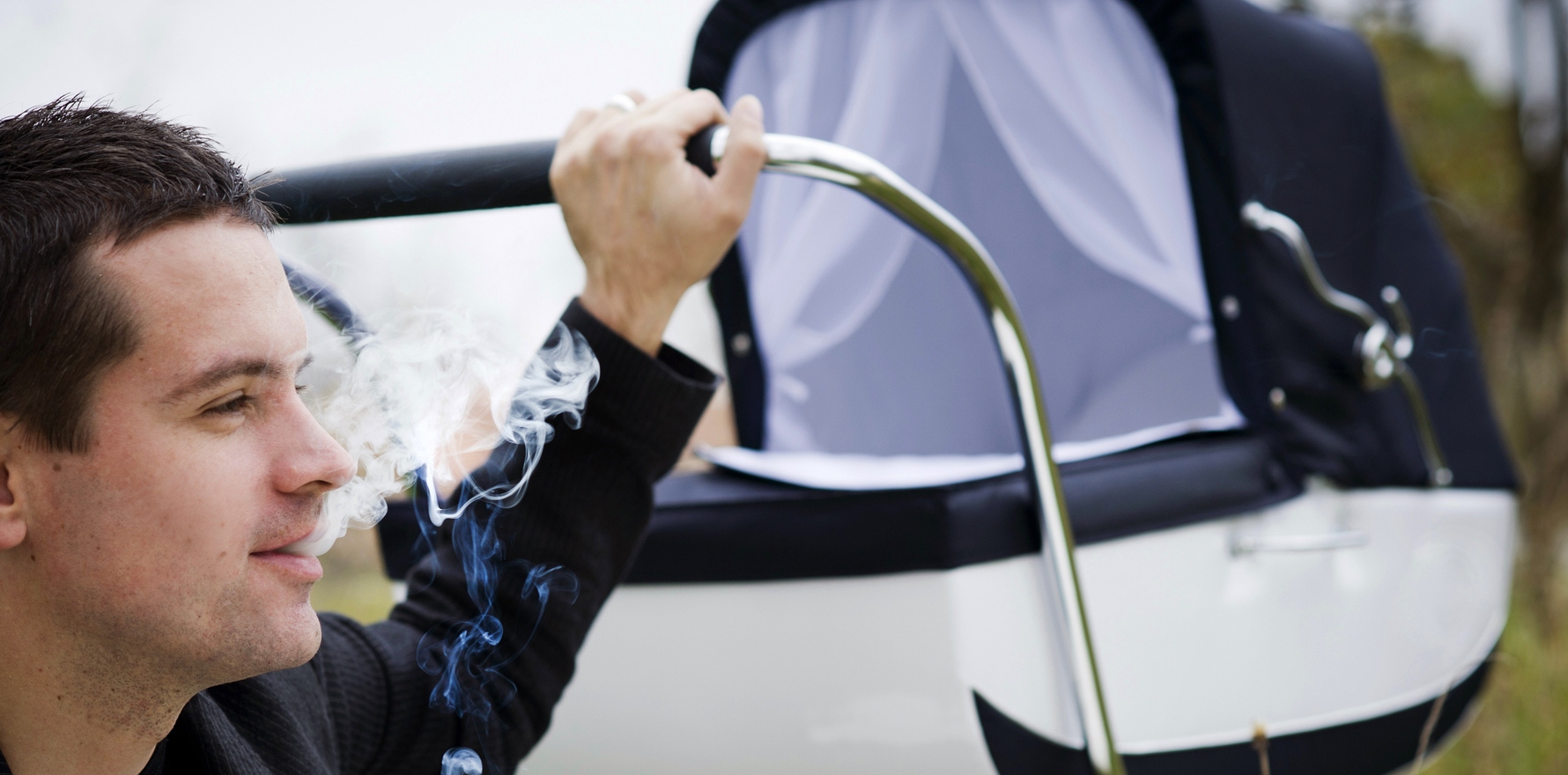


Adults will still use nicotine on their own terms, but they won’t die from cigarettes. That is tobacco harm reduction.
Now for various reasons, beyond the scope of this piece, tobacco harm reduction is not really promoted and supported by our government and major public health agencies.
However, an uncomfortable reality is that Australia is overly reliant on tobacco taxes. Surely there is a massive conflict of interest at play. When a government relies so heavily on tobacco taxes, it’s not exactly in their best interest to promote policies that will decimate the demand for cigarettes.
What if every adult smoker could either quit completely, or migrate to non-cigarette sources of nicotine (such as regulated pharmacy vapes)? How could our budget withstand this loss of tobacco excise? As it turns out, quite nicely in fact.
Australian Institute of Health and Welfare latest figures estimate smoking costs over $130 billion per year. Yes, you read that correctly.
So while the government is wracking its brains trying to salvage $12 billion in annual tobacco excise (from the nice legal tobacco, not that nasty illicit stuff, although they both cause the same amount of harm) … here’s a thought.
Why not focus on minimising combustible tobacco altogether, forget about relying on tobacco taxes, and save 20,000 preventable deaths and $130 billion every year?
The Australian Border Force has spoken. New Zealand, UK and Sweden have shown what a modern comprehensive evidence-based approach to smoking cessation can achieve.
Government, it’s over to you. Listen up.
Dr Carolyn Beaumont is a Melbourne GP. She works in smoking cessation and reducing the chronic health burden of combustible tobacco.
