

Privileging 15-minute consultations is not just stupid, it’s dangerous, especially for people who take a while to explain, understand or trust.
This week I started a job in a rural community, which feels great. I started my career in a rural town, but had to relocate to Sydney for a few decades because my family needed tertiary care.
I’ve always missed working rural, and so when the opportunity came up to work a few days a fortnight, I thought I’d give it a go.
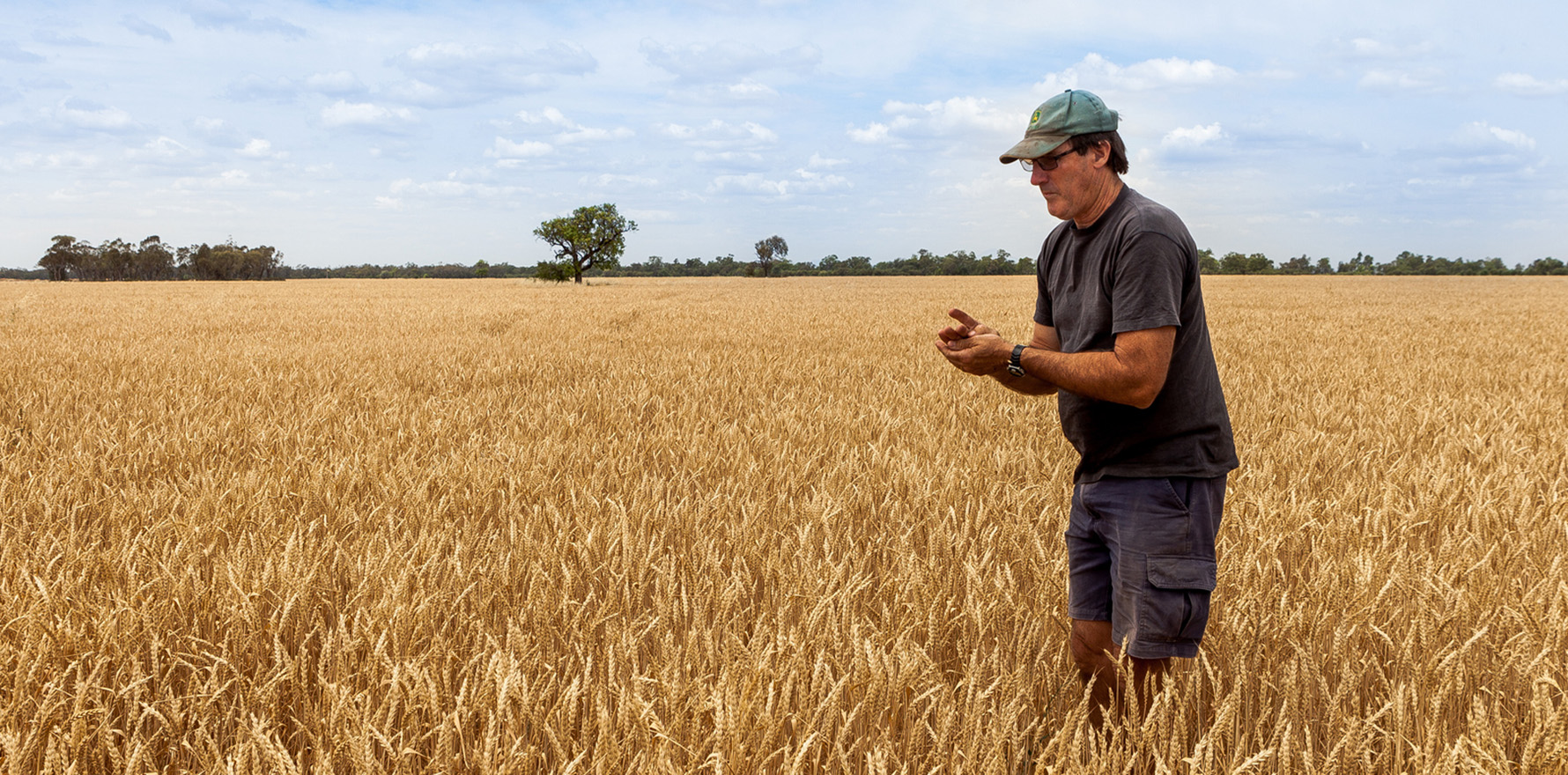
I’ve always admired my rural colleagues for their capacity to cope with an endless range of challenges, including the problem of extracting information from stoic rural men.
I’ve worked in towns that rely on mining, farming and heavy industry, so it’s not my first rodeo caring for rural men, but I had a moment of déjà vu when I found myself in a familiar scenario. Here’s how it works:
Me: How can I help?
Bloke: Well, I thought it was time for a checkup.
Me: When was your last checkup?
Bloke: Umm, six years? Seven years?
Me: Do you have any particular concerns?
Bloke: Nah, not really.
Me: Any diseases or conditions run in the family?
Bloke: Nope.
The consultation goes on, and after some very specific questioning, I discover he has hypertension, high cholesterol and probably depression. His father died at age 40 from a heart attack and his mother has diabetes, dementia and has had a few strokes.
So yes, there is a family history. And he has some “concerns”.
I get more specific.
Me: Are you on any medications?
He pulls out a list. I ask why he is on an anti-epileptic. Predictably, he forgot to mention that he was diagnosed with epilepsy as a young adult. Then he tells me not to worry about the spots on his face, that’s from the efudix, for all the skin cancers.
And the scar? Apparently that’s from the neurosurgery he had to fix the epilepsy.
I get even more specific at this point. And yes, there has been a melanoma on his arm, which led to “this huge scar”. I look. There is a huge scar.
I get even more specific.
Me: Is there melanoma or epilepsy in the family?
Of course there is. But his mum’s seizures weren’t due to that, they were apparently due to “the amyloidosis”. I take a breath, shelve that thought, and we finally get to the reason for the checkup.
Bloke: Do you think I might have this amyloidosis? Because I’ve been getting these headaches.
(Aha, I think.)
I start being thorough AND specific.
Blood pressure is high because “I can’t remember when I last had my meds” and I figure out he is working as a shearer and either doesn’t have the money, or doesn’t have access to the pharmacy.
I take his blood, because the chance of him getting pathology tests done are pretty low. His kidneys are a bit dodgy, his diet is dreadful, he’s fit and he’s a non-smoker, but that’s only since last Tuesday.
And then he asks me:
“Do you think some of the headache might be because I had so many concussions when I was playing league?
And the consultation goes on.
I might have picked up the hypertension if I’d stopped at the checkup question. I might have detected the kidney disease. But the rest?
I needed time. Time is critical, and until you run a consultation on “rural time” you don’t get there. There needs to be enough space to find out what’s underneath.
Systemic kindness and systemic cruelty
Surprisingly, I find similar systemic problems to my urban practice.
A young woman is deemed to be “too messy” for public psychiatry, but has a truckload of medication on board. She has the curiously flat voice I sometimes hear in autism, so when I ask a childhood history, I ask if she had any favourite subjects.
“History,” she says. “I’ve always been interested in 1066 and 1665.”
Yep, I think that’s a bit of neurodiversity right there.
The teams are amazing, and like me, are experienced at weaving around obstacles and duct-taping a failing system together, but there are still awful systemic cruelties. People are kind, systems aren’t.
A lovely woman describes driving herself home (several hours) two days after a double mastectomy. Apparently, the seatbelt “hurt a bit”. Yes, I’m sure it did.
Another lovely elderly man comes in with his wife, and passes me a handwritten note that tells me she has no short-term memory, and can get very upset very easily.
Related


She had a nasty encephalitis three months ago, and now has scarring throughout her brain. He has to help her get in and out of bed, because she’s forgotten how to do that.
She screams (a lot) and can’t remember anyone. He passes me an NDIS form and says “the hospital says this might help”.
I look at him and he is (unsurprisingly) teary and exhausted, after several months of 24/7 care. Somehow, I don’t think NDIS is fast enough or good enough to help, but I fill out a blistering form with the word “extreme” a lot. I get the nurses in, and we start planning to do better.
Duct tape and fencing wire
We GPs have become the surrogate outpatient departments of the public system, with no power, and no time. This is impossible, and more importantly, it’s cruel.
Privileging 15-minute consultations is not just stupid, it’s dangerous, especially for people who take a while to explain, understand or trust.
That’s why algorithm-driven care is never going to work for anyone who isn’t articulate, literate and privileged. And frankly, they are not the ones who need care the most.
I have reduced my practice in Canberra, because I am tired of the endless attempts to replace general practice with something that isn’t better, cheaper or kinder. Out here, nobody is squabbling to do my job. I feel useful and I don’t feel like I’m battling uphill just to exist as a competent and capable GP.
I hope in return I can make a little bit of difference in this small part of the world. I just need to stock up on duct tape and fencing wire to hold the system together.
Professor Louise Stone is a GP in Canberra and an academic at Adelaide University. A collection of her research, policy and teaching materials can be found at drlouisestone.com.
