


As intelligence becomes abundant, the ability to integrate it around one human life becomes more valuable. AI will not make the generalist obsolete. It will reveal why the generalist matters.
Every technological age changes what is scarce. The internet made information abundant; AI is making explanation, prediction and synthesis available on demand.
When anyone can summon a differential diagnosis in seconds, the scarce skill is knowing how to deal with uncertainty in reasoning, what matters for this person in front of you and what happens next.
The next phase of AI will be the age of the generalist.
For three decades, digital health followed the database: one problem, one field at a time. The electronic medical record and the screens became a heavy ledger, and the clinician its operator. The first digital wave converted paper into screens. The current wave is automating that burden.
A general practice consultation rarely begins with a clean clinical question. A patient may ask for a blood-pressure check, then mention poor sleep and, almost in passing, the strain of caring for both children and ageing parents. The pressures of the “sandwich generation” and how it is affecting their physical and mental health.
The central concern may emerge late or inside a different agenda. The GP has perhaps 15 minutes to listen, examine, reason and safety-net. This is not information retrieval. It is the integration of uncertainty.
Clinical documentation has evolved from Dr Lawrence Weed’s handwritten SOAP notes of the late 1960s, through computer-typed notes and structured electronic records, to today’s ambient AI-generated drafts.
Each transition changed how clinical reasoning was recorded; this one changes how it is practised. When the record drafts itself, I can look at the patient and make my reasoning audible – what I am examining, considering and why. The patient gains access to thinking that once occurred silently inside the doctor’s head.
The consultation becomes shared, real-time cognition. The screen begins to disappear.
AI also offers a second representation of the encounter.
Human attention is selective; once we form an early hypothesis, discordant details fade into the background. A transcript might preserve an incidental mention – a unilateral rash during a conversation about headache – and reveal what the first pass missed.
Yet fluent prose is not clinical truth. AI can introduce automation bias, requires review and professional accountability. The mature position is calibrated reliance: knowing what a tool can do, where it fails and when it should remain silent.
Patient-side AI makes this generalist function visible.
Patients arrive with generated explanations and competing diagnoses: helpful but also inaccurate or anxiety-producing at times. The GP is shifting from holder of medical information to trusted interpreter – placing probability, examination, history and values around an answer that may sound authoritative while knowing almost nothing about the person.
Generalism is the discipline of holding the whole person together when the system keeps pulling them apart.
Related
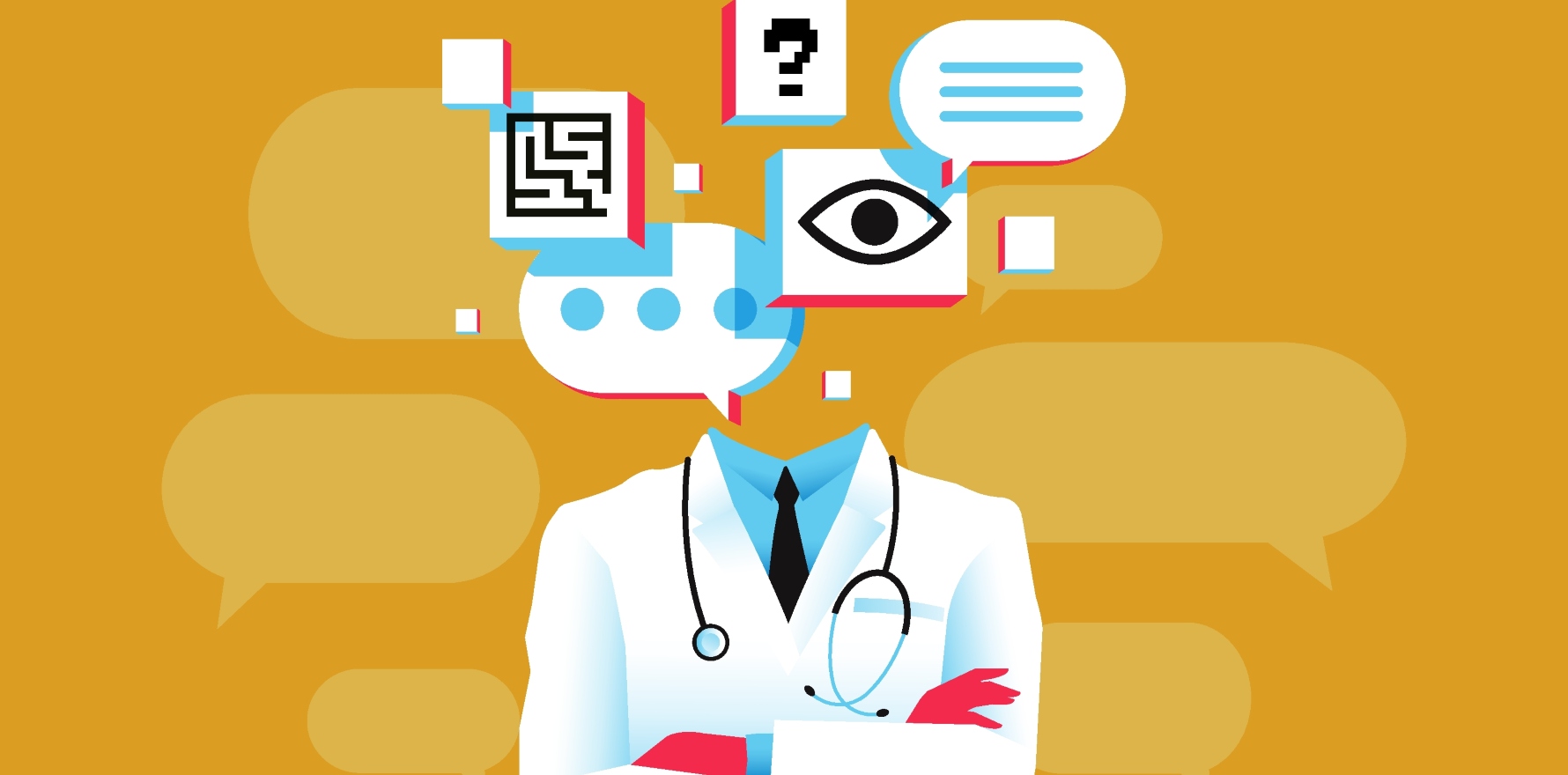
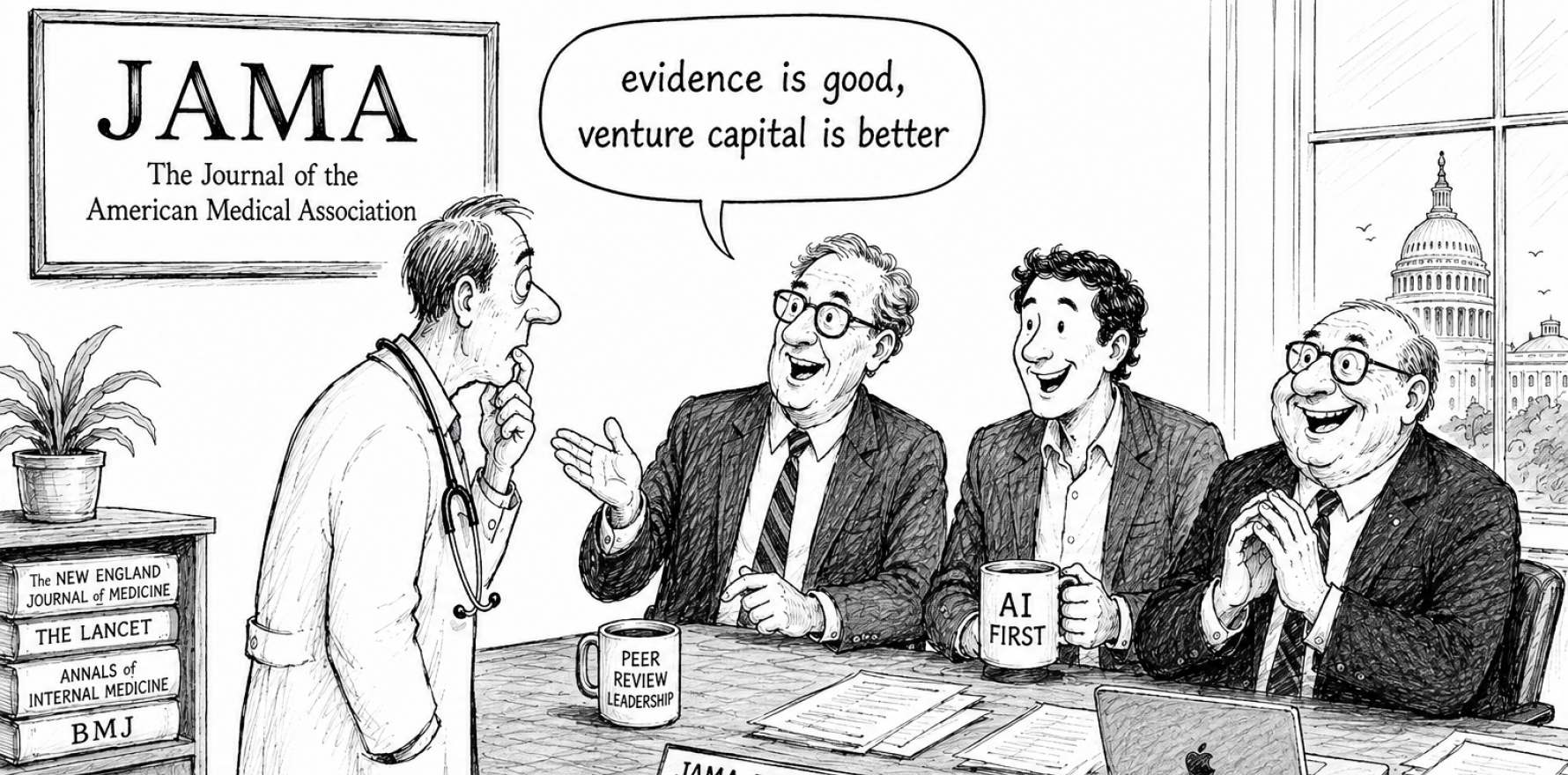

An AI-augmented generalist could therefore become one of the most powerful forms of clinical capacity in the health system. AI does not simply help a GP work faster; it reduces cognitive fragmentation when synthesising undifferentiated symptoms, brings evidence into the consultation and strengthens clinical integration.
More can be resolved at first contact: several problems managed, an admission prevented, an unnecessary specialist visit avoided, prevention advanced and continuity preserved. This is not greater throughput. It is greater clinical leverage – more medicine delivered earlier, closer to the patient.
The health system struggles to see this value. It counts minutes, Medicare items, referrals and admissions, but rarely the complexity integrated or escalation avoided.
AI could make the hidden work of general practice legible. Yet legibility must not become surveillance or funding formulas that reward documentation over care. The opportunity is to fund generalism, not turn the patient’s story into another compliance instrument.
Consultation data must serve the patient first, with secondary uses transparent and accountable.
Interoperability will matter more than raw intelligence. This is not fundamentally an IT issue; it is a patient and GP advocacy issue. Every time a patient must retell their story, a GP chases a missing result or a test is repeated because systems cannot communicate, interoperability has failed. Care fragments, clinicians inherit avoidable burden and the system becomes less safe.
The United States confronted this through the 21st Century Cures Act, which made information sharing the expected norm and penalised information blocking. Its deeper lesson is that barriers can be commercial, not merely technical. Innovation should be rewarded, but tech companies should compete on product quality, service and experience – not on making patient information difficult to move.
Australia’s work on FHIR standards alongside sharing key information by default, provides important foundations.
But standards alone are not enough. Policy must align commercial incentives with patient care, and open interfaces must become the default. Patient information should follow the patient, not the software.
Will AI mean more or fewer GPs by 2033?
That is the wrong question. If we fund activity, AI will accelerate activity. If we fund continuity, complexity and prevention, it will expand the reach of the generalist across clinics, homes, hospitals, aged care and virtual settings.
This future is not automatic. We must design for it: interoperable data, accountable tools, AI-literate clinicians and funding that values integration rather than further fragmentation. The gains from automation must be returned to clinicians and patients as attention, capacity and continuity – not simply harvested as throughput.
The next age of medicine will not belong to machines that appear to know everything. It will belong to clinicians who can transform an abundance of intelligence into meaning for one person, one family and one community. That is the work GPs have always done.
AI will not diminish the generalist; used wisely, it will amplify the generalist’s reach, judgement and humanity. As technology recedes into the background, general practice can return to the centre of modern care – more capable, more connected and more essential than ever. The age of AI is the age of the generalist.
Dr Gihan R de Mel is a specialist general practitioner in aged care and family medicine. He is the founder and CEO of Swiftio.
