


International Diabetes Congress highlights reveal major advances in treatment, technology and care, alongside persistent gaps in access.
From the biology of fat and emerging obesity treatments to young-onset diabetes, cardiovascular risk, automated insulin delivery and new models of care, the 2026 IDF Western Pacific Region and Australasian Diabetes Congress 2026 put earlier intervention, and equitable access to it, firmly on the agenda.
One of the strongest messages emerged throughout the international conference – that waiting until diabetes, obesity or their complications were firmly established before intensifying care was becoming increasingly difficult to defend.
Across sessions at the 2026 diabetes congress in Melbourne, researchers and clinicians repeatedly challenged familiar thresholds, such as waiting for obesity to become severe before treating it as a disease; using obesity as a prerequisite for type 2 diabetes screening in young people; relying on LDL cholesterol alone to judge cardiovascular risk; or assuming women without gestational diabetes fall outside the metabolic-risk spectrum.
At the same time, the congress showed how quickly treatment was changing. Researchers are looking beyond weight loss to the biology of adipose tissue itself; automated insulin delivery systems are beginning to remove some of the work required of people with type 1 diabetes; and scientists are searching the physiology of extreme animals for molecules that could become future metabolic therapies.
Click below for highlights:
Adipocytes and diabetes: fat becomes a therapeutic target
Obesity care: stop waiting for treatment to ‘fail’
Cardiovascular complications: LDL does not tell the whole story
Young-onset diabetes: not simply the same disease earlier
Pregnancy: risk does not stop at the diagnostic threshold
Severe obesity: when effective treatment exists but patients cannot access it
Models of care: bring expertise to the patient
Exercise and diabetes: can technology remove the planning?
Access problems extended beyond cost
Transition care: keeping young people connected
Exercise and metabolism: could the next metabolic drug come from a python?
From discovery to delivery

Adipocytes and diabetes: fat becomes a therapeutic target
The adipocytes and diabetes session challenged the idea of fat as little more than a passive energy store.
Across presentations from Professor Philipp Scherer, Associate Professor Annabel Wang and Professor David James, adipose tissue instead emerged as a dynamic organ whose fibrosis, inflammation, ageing and response to nutrient excess may influence metabolic disease and potentially provide new therapeutic targets.
Professor Scherer focused on adipose tissue in the incretin era. Although fat cells mostly lacked GLP-1 receptors, they carried GIP and glucagon receptors, and he described incretin treatment as capable of converting an inflamed, fibrotic and insulin-resistant adipocyte into a healthier, more insulin-sensitive cell. This direct action on adipose tissue could help explain why incretin therapies appear to produce benefits beyond weight loss, including across heart failure, osteoarthritis, chronic kidney disease and even sleep apnoea. Professor Scherer described the effects as “remarkable”.
He said the field may be moving well beyond single agonists, saying “anything is game in terms of multiple therapies – dual and triple agonists”.
He did offer a central caveat about incretins, saying that “they are not particularly great at resolving fibrosis”. Neutralising antibodies against leptin and endotrophin were needed, Professor Scherer explained.
He described endotrophin as “one of the scariest biomarkers and it beats our old friend CRP out of the market” and later added: “I don’t want to know my own endotrophin level. Nobody wins from an elevation of endotrophin, but it’s never good news.”
For now, however, endotrophin remains investigational rather than a clinical biomarker ready for routine practice.
Professor Wang’s work moved the discussion to ageing. In mouse studies, her laboratory has identified a striking, short-lived wave of new visceral fat-cell formation during midlife, challenging the assumption that adipogenic capacity simply declines with age. Blocking a receptor known as LIFR reduced this age-related visceral fat expansion, although whether the new adipocytes are ultimately protective or harmful remains unknown. Professor Wang’s current view was that it may represent “a transient protection”.
Professor James, meanwhile, challenged the way insulin resistance itself was understood.
“It seems the sun has almost set on insulin resistance despite the fact it still sits at the centre point of most metabolic diseases,” he said, arguing that clinicians rarely measured, diagnosed or directly managed it.
His core argument was that insulin resistance was a phenotype with multiple causes rather than a single signalling defect and could initially represent a normal adaptive response to redistribute nutrients during states such as pregnancy, puberty, starvation and infection.
“Resistance can be protective and adaptive but if it’s persistent it can become maladaptive,” he said.
The practical question was whether future diabetes treatment should become better at identifying the particular form of insulin resistance occurring in an individual rather than treating insulin resistance as one condition. Professor James’ group is using AI modelling of oral glucose tolerance tests to explore tissue-specific insulin resistance and potentially predict individual responses to drugs, although that work remains at an early stage.

Obesity care: stop waiting for treatment to ‘fail’
If the adipocyte session reconsidered the biology of obesity, another session asked clinicians to reconsider how people living with it were treated.
Barbara Eichorst from the American Diabetes Association, and paediatric endocrinologist Professor Muhammad Yazid Jalaludin approached obesity from opposite ends of the lifespan but arrived at a similar position – that obesity should be managed as a chronic, relapsing biological disease, rather than a lifestyle failure or a problem that warranted intervention only once it became severe.
“You did not fail the treatment. The treatment might not have worked for you,” said Ms Eichorst.
Professor Jalaludin put it another way.
“Foundational diet and exercise are often biologically insufficient – do not blame the patient,” he said.
That reframing has implications for treatment. Obesity pharmacotherapy was discussed as an option that could be considered alongside lifestyle intervention from the beginning rather than reserved until diet and exercise have failed.
Adolescent data presented included liraglutide and semaglutide in those aged 12 years and older, as well as emerging trial evidence for liraglutide in children aged six to 12 years. The latter was presented as an emerging, not yet approved, frontier, and the report noted the paediatric data were Malaysian rather than Australian.
The argument for earlier intervention extended much further back in life. Professor Jalaludin discussed the developmental origins of health and disease and an “epigenetic funnel” operating during the “first 1000 days”, with maternal hyperglycaemia, nutrition and other exposures potentially programming later metabolic risk. He said this highlighted the importance of having conversations during antenatal and early-childhood care, not waiting until adolescence.
The session highlighted insulin resistance, fatty liver changes and even arterial fatty streaks occurring in young children, with type 2 diabetes diagnosed in children as young as eight in the Malaysian context presented.
Acanthosis nigricans was highlighted as a particularly simple clinical opportunity. It was reported in roughly 80% of children with insulin resistance in the data presented, making it a low-cost physical sign that could prompt clinicians to investigate metabolic risk rather than relying on BMI alone. Professor Jalaludin’s position on delaying intervention was unequivocal.
“Watch and wait is clinical negligence,” he said.
Ms Eichorst also argued that stigma was not merely a question of bedside manner but could itself become a barrier to healthcare.
“The stigma is an important element as it’s a barrier to care,” she said.
Rather than beginning with weight-loss directives, she advocated listening and seeking permission to discuss weight as one component of overall health.
Even the physical practice environment mattered, she said. Appropriate blood-pressure cuffs and seating should be readily available, with different-sized chairs distributed throughout waiting rooms rather than segregated in a way that could stigmatise patients.
The primary-care implication was to make obesity review continuous rather than episodic. Ms Eichorst highlighted four critical times for diabetes self-management education and support – diagnosis, annual review or failure to meet targets, development of a complicating condition, and major life or care transitions.
And she stressed that achieving a weight goal did not mean management was finished, “because they can relapse, they can get back to living with obesity”.
Cardiovascular complications: LDL does not tell the whole story
The cardiovascular symposium similarly pushed clinicians towards more detailed risk assessment.
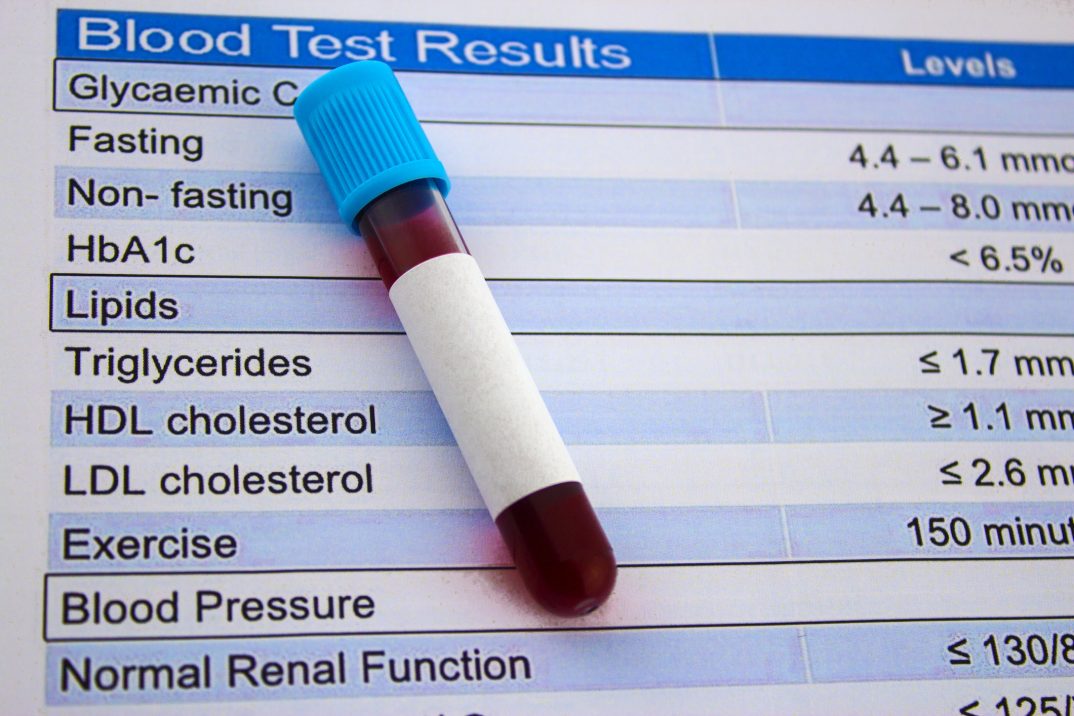
Dr Loh Wann Jia began with a familiar laboratory pattern – high triglycerides and low HDL cholesterol in poorly controlled diabetes. Hyperglycaemia, inflammation and insulin resistance increased hepatic production of triglyceride-rich lipoproteins and generated more atherogenic remnant cholesterol.
“This high triglyceride, low HDL situation always accompanies poorly controlled type 2 diabetes,” she said.
For GPs, the fasting lipid panel showing this pattern in a patient with diabetes shouldn’t be treated as background noise, she said, as it signalled ongoing metabolic dysregulation and elevated residual cardiovascular risk even when LDL looked acceptable.
LDL-C nevertheless remained the principal therapeutic target. The presentation discussed increasingly stringent targets as cardiovascular risk rises, while emphasising that diabetes duration and established complications changed the risk calculation.
Diabetes of longer duration, or complications including albuminuria, retinopathy or neuropathy, may justify earlier intensive lipid lowering even in a younger patient.
Statins remained first-line treatment, but Dr Jia also reviewed evidence for additional therapies in people not reaching target, including PCSK9 inhibitors and bempedoic acid.
Inclisiran, administered twice yearly, was reported to lower LDL by 50–60% “regardless of whether the person is normoglycaemic, prediabetic, or diabetic”, potentially providing another option where adherence to daily medication is difficult, she said.
The other major focus was lipoprotein(a), or Lp(a). Approximately one in five people were said to have elevated Lp(a), which was largely genetically determined and associated with myocardial infarction, ischaemic stroke, peripheral arterial disease and aortic stenosis independently of LDL and other conventional risk factors.
Dr Jia advocated testing particularly in people with premature or familial atherosclerotic cardiovascular disease and cascade testing relatives when Lp(a) was high. A quality-improvement initiative at her Singapore hospital increased testing among cardiology inpatients with acute myocardial infarction or ischaemic heart disease from about 6% to 80%, with 16.2% found to have Lp(a) above 120nmol/L.
The broader clinical message was straightforward – cardiovascular risk in diabetes extends beyond the LDL number sitting on a pathology report.

Young-onset diabetes: not simply the same disease earlier
Few sessions made the case for earlier intervention more starkly than Professor Andrea Luk’s presentation on young-onset type 2 diabetes.
Although definitions vary, Professor Luk broadly discussed disease diagnosed before around age 40 and presented it as a distinct and worsening problem characterised by faster deterioration in glycaemic control and a greater lifetime burden of complications.
Globally, the age-standardised incidence of young-onset type 2 diabetes has risen by roughly 80% over three decades, according to the data presented. Importantly, that trajectory was diverging from older age groups, where incidence has stabilised or fallen in aggregate datasets.
Professor Luk said the reasons remain incompletely understood but pointed to childhood and adolescent obesity, sedentary lifestyles, unhealthy diets, environmental pollutants and intergenerational effects including maternal obesity and diabetes.
The Western Pacific carried a particularly large burden. Australian data presented also showed that young women who developed obesity during 16 years of follow-up had approximately three times the risk of developing type 2 diabetes by 40, with earlier obesity associated with earlier diabetes.
But obesity could not be treated as the only prerequisite for screening, with a meta-analysis of approximately 8000 young people with type 2 diabetes finding 25% did not have obesity at diagnosis, with the proportion higher among girls and Asian populations.
The clinical conclusion was explicit. Dr Luk said, “screening for type 2 diabetes may consider obesity as a risk factor, but it cannot be a prerequisite”, with family history, maternal diabetes exposure and other factors also requiring consideration.
The lifetime consequences were substantial. Young-onset diabetes was associated with higher cumulative rates of cardiovascular and chronic kidney disease. Among people diagnosed before age 40 years in Hong Kong data, mental health conditions accounted for 38% of hospitalisation bed-days. Dr Luk said this served as a reminder that “diabetes in young people is not simply a metabolic disorder”.
Mortality data were equally concerning. Each decade of earlier diagnosis was associated with a 13% increase in all-cause mortality in the datasets presented, translating to a three-to-four-year reduction in life expectancy. Those diagnosed between 30 and 40 years were estimated to lose 10-14 years of life on average, rising to 11-16 years among women in that age group, pointing to “a potential sex disparity”, said Dr Luk.
Yet one of the most actionable findings concerned blood pressure rather than glucose. Suboptimal blood pressure was the leading mortality risk factor in the youngest age group in modelling presented by Dr Luk, while the relationship between blood pressure and complications was steeper in younger patients.
Hypertension developing before age 45 carried a 3.5-fold increased risk of haemorrhagic stroke, compared with 1.3-fold for later-onset hypertension, and younger patients were less likely to receive appropriate pharmacotherapy, she noted.

Pregnancy: risk does not stop at the diagnostic threshold
The American Diabetes Association (ADA) has clear criteria for screening asymptomatic adults for diabetes or prediabetes, as well as recommendations for screening women before and during pregnancy for prediabetes, diabetes and gestational diabetes mellitus (GDM).
But what about women who meet risk-based screening criteria yet have neither prediabetes nor GDM?
Professor Hung-Yuan Li, from National Taiwan University Hospital, addressed this question during his congress presentation.
Professor Li presented unpublished findings using data from the National Taiwan University prospective pregnancy cohort and the TESGO randomised trial. After excluding women with prediabetes or GDM, researchers compared 818 women who met ADA risk-based criteria with 942 who did not.
Women meeting the criteria were older and had slightly higher fasting plasma glucose during pregnancy. Their fetuses also showed greater growth at 35-37 weeks, while newborns were heavier and had larger head and chest circumferences and greater subscapular skinfold thickness.
Importantly, women in the ADA risk group had 47% higher odds of a composite adverse pregnancy outcome. They also had increased odds of primary caesarean delivery, large-for-gestational-age infants, neonatal adiposity, preeclampsia and preterm delivery.
“Our data suggests [that] in addition to the current GDM and PDM [classifications], we should have a new classification because the at-risk group had higher metabolic dysfunction, their fetus grows faster and has a higher risk of neonatal adiposity, and their adverse pregnancy outcome risk is higher,” Professor Li concluded.
These findings led Professor Li to propose a new care pathway, including closer monitoring and targeted interventions for at-risk women without prediabetes or GDM, alongside reconsideration of when GDM screening occurs.
Professor Li also highlighted maternal lipid levels, noting that triglycerides and fatty acids may promote fetal growth.
Ultimately, he called for pregnancy care to move beyond binary diagnoses towards risk-based, stage-specific and metabolically informed care, with stronger postpartum follow-up.

Severe obesity: when effective treatment exists but patients cannot access it
Australians with severe obesity and type 2 diabetes risk being left without viable treatment options because of limited access to effective pharmacological therapies and bariatric surgery, according to Sydney endocrinologist and clinical academic Associate Professor Samantha Hocking.
“[There are] two medications we have on our Pharmaceutical Benefits Scheme in Australia … semaglutide 1mg and dulaglutide,” she said.
The SUSTAIN 7 trial, published in The Lancet Diabetes & Endocrinology in 2018, found semaglutide 1mg and dulaglutide 1.5mg reduced HbA1c by 1.8 and 1.4 percentage points respectively at 40 weeks, while reducing mean bodyweight by 6.5kg and 3.0kg.
“This weight reduction … is hardly disease-modifying,” Professor Hocking said.
“Is this a very effective therapy for obesity management in type 2 diabetes?”
Higher-dose semaglutide and newer agents such as tirzepatide could produce substantially greater weight loss and improve obesity-related complications. However, access remained a major barrier, she said.
“Obesity management medications are unaffordable in this country,” Professor Hocking said.
“Tirzepatide 15mg costs $690 a month for a patient on a private prescription.
“It’s really challenging in this country to work in severe obesity when we don’t have any currently funded pathways.”
Bariatric surgery offered another highly effective approach, she said. Five-year results from the STAMPEDE trial showed 29% of patients receiving Roux-en-Y gastric bypass and 23% receiving sleeve gastrectomy achieved HbA1c below 6.0%, compared with 5% receiving medical therapy alone.
Similarly, the BRAVES trial found 56% of patients undergoing gastric bypass and 57% undergoing sleeve gastrectomy achieved resolution of non-alcoholic steatohepatitis without worsening fibrosis, compared with 16% receiving lifestyle modification and best medical care.
Australian Bariatric Surgery Registry data also show substantial reductions in diabetes medication use after surgery. Yet access is heavily dependent on patients’ ability to pay – 94.5% of primary bariatric procedures recorded in Australia in 2024 were privately funded.
Access problems extended beyond cost.
“[There’s] local data that shows only 35% of eligible people attending a diabetes clinic in south-west Sydney are referred to the obesity clinic in the same hospital,” Professor Hocking said.
“So, I pose the question,” she concluded.
“Are we neglecting the management of severe obesity and type 2 diabetes? And should our patients with severe obesity – irrespective of whether they have type 2 diabetes – continue to have poor access to these highly effective therapies in our country?”

Models of care: bring expertise to the patient
Access was also at the centre of a symposium examining innovative diabetes-care models across Australia and the Asia-Pacific — but here the focus shifted from drugs to health-system design.
One relatively simple Australian example came from Royal Prince Alfred Hospital, where Professor Margaret McGill described a “helper buddy system” allowing GPs to obtain specialist advice from a diabetes centre without every patient requiring a full endocrinology referral.
The potential advantage was straightforward – specialist expertise could reach primary care without the patient automatically joining a specialist waiting list.
Geography required a different solution. The Hunter New England Diabetes Alliance Program Plus sends a multidisciplinary team five to seven hours across a region described as “the size of England” to provide care directly to rural patients.
Australia’s Chief Medical Officer Professor Michael Kidd highlighted the Better Renal Services for First Nations Peoples model, which funded remote dialysis so people with diabetes-related kidney failure could receive treatment near home “rather than travelling hundreds of kilometres or relocating away from family and country”.
“It’s not only whether a treatment exists that’s important, it’s whether people can access it in ways that respect their culture, their family, their place,” he said.
International models offered other approaches. Korea, where 60-70% of type 2 diabetes was managed in primary care, used a Chronic Care Program and Quality Assessment Program that financially reward structured annual planning, regular attendance and measures including HbA1c, lipid, kidney and eye screening. Participating clinics were reported to have better glycaemic control and slower eGFR decline.
China used bidirectional referral, with stable patients managed in primary care, escalated to tertiary services as complications progress and then returned to primary care once stabilised. Malaysia has used government funding to shift stable patients into private primary-care clinics while developing a digital network intended to improve record-sharing across the system.
The contrast with Australia’s fragmented funding and information systems was not lost on the panel. Dr Elaine Pretorius called for the Commonwealth-state funding split to be “abolished”, while Professor Anthony Russell described My Health Record as “a bit of a digital filing cabinet”.
Professor Russell’s summary of the common thread across the regional models was “personalised care, digital solutions, and better support for and integration with primary care”.

Exercise and diabetes: can technology remove the planning?
For people with type 1 diabetes, another session asked whether automated insulin delivery could remove some of the work and anxiety associated with exercise.
Despite its benefits, presenter Dr Natalie Nanayakkara said, “only one in three people with type one diabetes meet the recommended guidelines for physical activity”.
Fear of hypoglycaemia was a major barrier, but so was the practical burden of announcing exercise to a hybrid closed-loop system, changing glucose targets and planning carbohydrate intake.
The Australian CLOSE IT exercise substudy tested an oref1-based fully closed-loop automated insulin delivery system that did not require meal or exercise announcements or a pre-exercise change in glucose targets.
In the preceding three-month randomised trial, time in range was similar whether the algorithm operated fully closed loop or as a hybrid system with announcements of 66% versus 69%.
The exercise substudy was much smaller. Nine experienced AID users completed a 90-minute session comprising 20 minutes of aerobic exercise, 45 minutes of resistance training and another 25 minutes of aerobic exercise.
Participants made no change to insulin dosing or glucose targets and did not tell the system they were about to exercise.
The results were striking.
“All participants maintained 100% time in range, with no carbohydrate rescue required,” said Dr Nanayakkara, adding there was no hypoglycaemia during exercise.
Insulin delivery automatically decreased as exercise began and insulin-on-board was “held low and remained stable, offsetting exercise-driven insulin sensitivity, pre-empting hypoglycaemia with no user input required”, before increasing again afterwards. Over 24 hours there were “no episodes of severe, late or overnight hypoglycaemia, no DKA, and no adverse events”.
Those findings needed to be interpreted cautiously, Dr Nanayakkara noted. This was a nine-person, single-site, supervised study in experienced AID users, each undertaking only one exercise session. It could not yet establish whether the same results would be seen during repeated, unsupervised exercise or across different ages, fitness levels and diabetes durations.
However reducing treatment burden may ultimately be as important as the glucose result.
“Our hope is that by removing the planning and adjustment phases, this may reduce a major barrier to physical activity, enabling more people with type one diabetes to benefit from exercise,” she said.

Transition care: keeping young people connected
Technology can improve diabetes management, but Professor Jane Holmes-Walker’s presentation showed that maintaining a relationship with the healthcare system remains fundamental.
Professor Holmes-Walker presented more than 20 years of experience from Westmead’s young adult diabetes transition service, established after she noticed people under 25 with type 1 diabetes were being admitted with DKA far more frequently than older adults.
“It was a preventable problem, and we needed to do something about it,” she said.
The resulting clinic grew from approximately 40 attendees to around 300 young people with type 1 diabetes, although Professor Holmes-Walker acknowledged that it still captured only a proportion of the eligible population.
Her central message was that transition was not simply an exercise in transferring diabetes education from one clinic to another.
“The key focus of transition is to develop a strong relationship that will ensure continued follow-up and be translated into influence, to promote change in self-care behaviour,” she said.
She talked delegates through the structure of the clinic. A diabetes educator leads the model with support from endocrinologists, another educator and a dietitian. Young people have direct phone and text access to their coordinator rather than navigating a hospital switchboard. Clinics run later in the afternoon, SMS reminders are used, missed appointments are actively rescheduled, and after-hours phone support helps patients manage sick days without automatically presenting to emergency.
The outcomes suggest those relatively practical changes matter. By 2018, DKA admissions were 1.5% among clinic attenders compared with 5% in non-attenders, with hospital stays of two versus four days.
Overall DKA admission rates among young people using the service were reported at approximately three to five per 100 patient-years compared with 10-15 per 100 patient-years cited in the general literature.
The service also produced evidence that Professor Holmes-Walker said contributed to the extension of Australia’s universal CGM subsidy to all people with T1D in 2022. Patients using CGM more than 75% of the time experienced sustained HbA1c improvement, while subsequent clinic data showed hybrid closed-loop pump users achieving the lowest HbA1c of the insulin-delivery groups.
Yet inequity persists. CGM subsidy has largely equalised uptake across socioeconomic groups, but insulin-pump access has not. Professor Holmes-Walker described a “missing middle” of around 20-30% of young people who are “not poor enough” for subsidised pumps but “not wealthy enough” to have private insurance.
And approximately half of adolescents with type 1 diabetes in the service catchment still did not successfully transition into adult care.
That created an obvious role for GPs she said – asking young adults with type 1 diabetes whether they were still attending specialist care may identify patients who have quietly fallen through the gap.

Exercise and metabolism: could the next metabolic drug come from a python?
Associate Professor Jonathan Long, an institute scholar at Stanford ChEM-H in the United States, spends a lot of time thinking about how humans and animals eat.
Humans typically consume just 0.5%–1% of their body weight per meal. Mice, a common model for studying metabolism, eat more frequently but consume a similarly small proportion each time.
“These are classical model systems [and] have a relatively narrow dynamic range,” Professor Long told attendees.
“Therefore, if you’re interested in the postprandial response, you may just be buried in noise.”
At the other extreme are animals such as crocodiles, snakes and the Gila monster, which eat infrequently but can consume 10%-100% or more of their body weight at once.
“If you go to these extreme feeders, that might be a way of naturally enhancing and amplifying signals that would be otherwise buried in more frequent feeders,” Professor Long said.
The Gila monster has already demonstrated the potential of this approach. In the 1990s, endocrinologist John Eng isolated exendin-4 from its venom, ultimately leading to exenatide, the first GLP-1 receptor agonist approved by the FDA.
Professor Long’s team has turned its attention to Burmese pythons, which can go 12-18 months without eating before consuming enormous meals. Feeding triggers a dramatic hyperanabolic response, including a 44-fold increase in metabolic rate, a 160-fold rise in plasma triglycerides and doubling in the size of many organs.
“This is one of the most extreme changes in energy expenditure ever recorded for any animal,” Professor Long said.
“This is happening [in Burmese pythons] for about two weeks.”
Metabolomic studies identified one molecule showing a roughly 1000-fold change after feeding: para-tyramine-O-sulfate (pTOS).
“It was a known metabolite, but it was not known to be present in blood,” Professor Long said.
“It was not known to be postprandially regulated, and it did not have any known function.”
Administering pTOS to mice produced aspects of the python-like feeding response, while re-analysis of human metabolomic data revealed pTOS is also present in humans. Variation between individuals has raised the possibility that it could help explain differences in satiety after eating.
Professor Long believes extreme animals could harbour many more therapeutically useful molecules.
“We think that there will be many other potentially interesting growth and trophic factors from these pythons, which include new peptides … with the goal of then taking all these … and then harness the functional molecular diversity of nature’s extreme animals for human health.
“We’re excited to embark on the journey.”

From discovery to delivery
Taken together, the sessions pointed towards a broader change in the way diabetes and metabolic disease are being conceptualised.
But some of the most compelling congress presentations did not depend on a new drug or scientific discovery at all.
A phone line connecting a GP with an endocrinologist, a multidisciplinary team travelling to rural patients, dialysis delivered closer to Country, an appointment scheduled at a time a young person was more likely to attend, or active follow-up after a missed visit could all change whether effective diabetes care reached the person who needed it.
The challenge is not simply to discover what diabetes care can do next. It is to close the distance between what is possible and what patients can actually access in a timely, appropriate and affordable way.
