

A new national report reveals a surge in knee imaging, but experts say GPs already have the skills to diagnose osteoarthritis without sending patients for potentially unhelpful investigations.
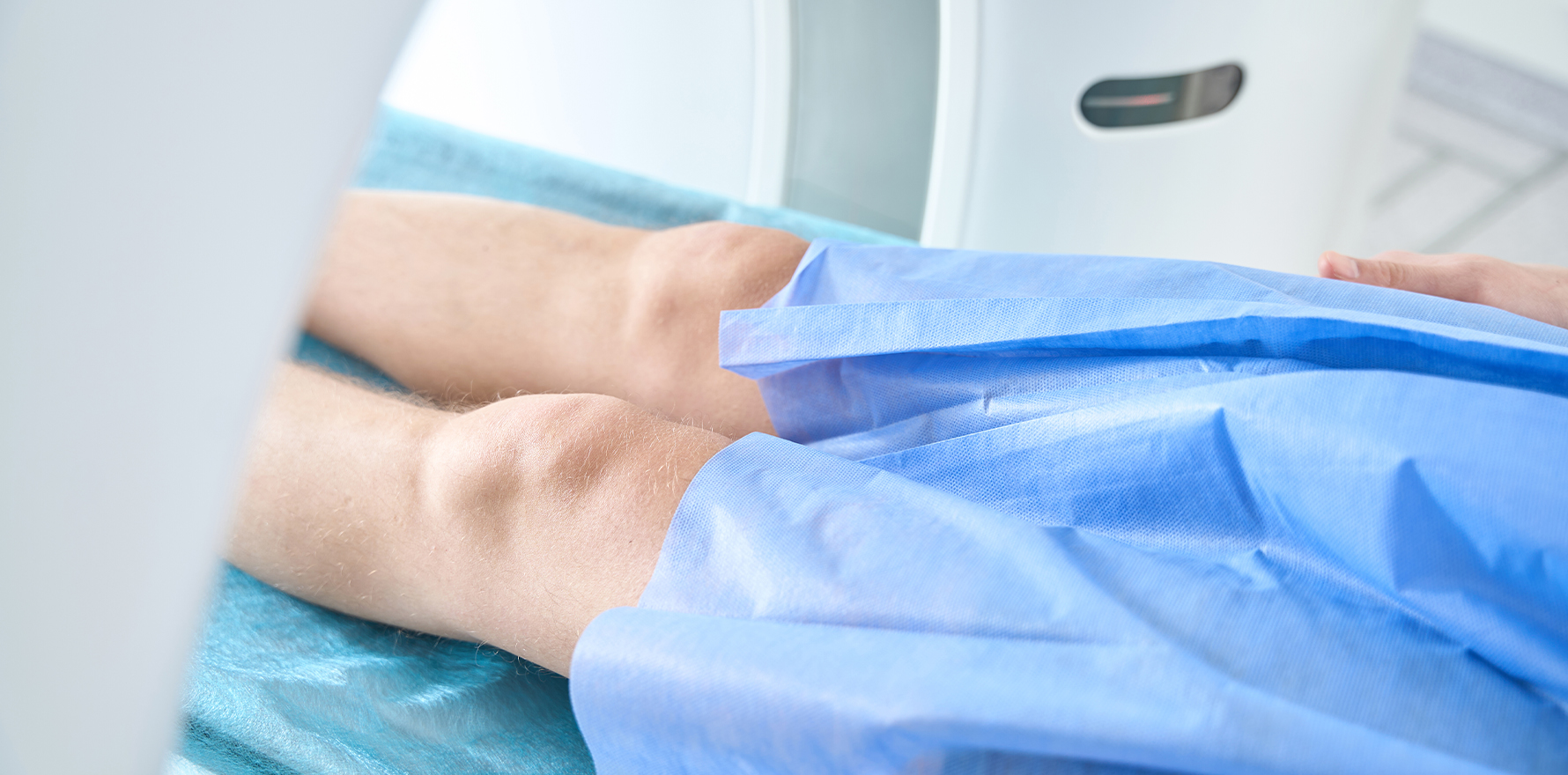
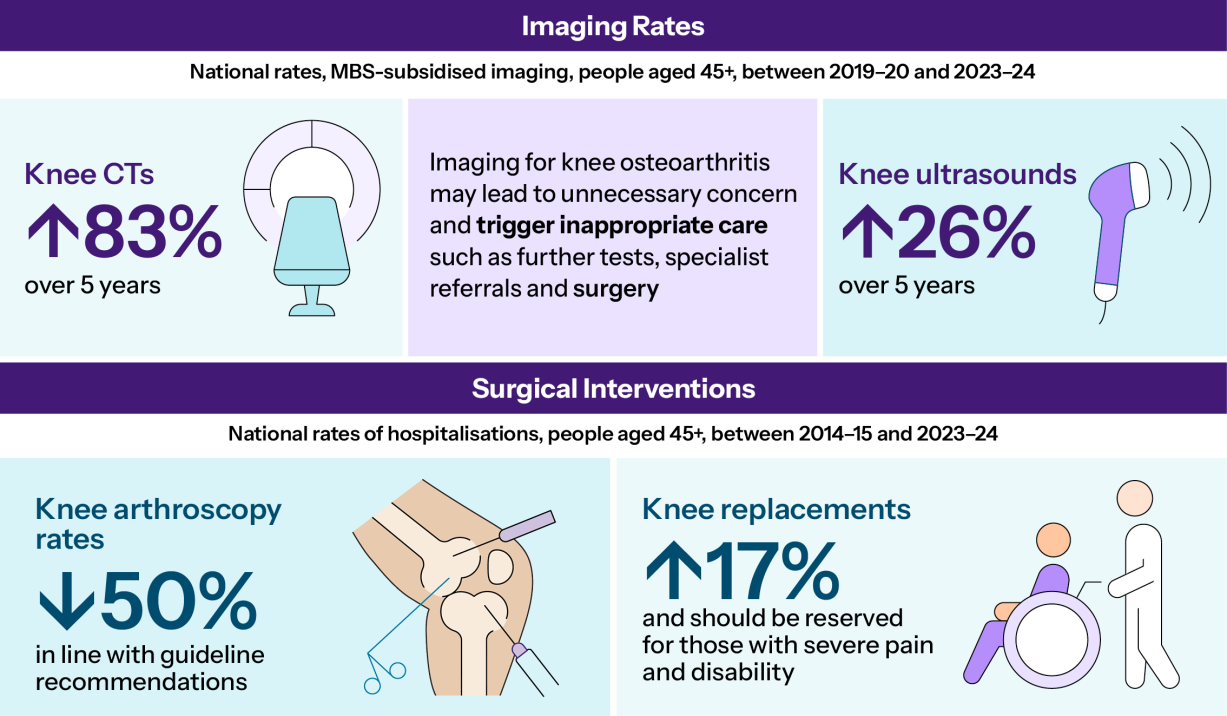
The use of knee CT scans in Australia have surged by 83% in just five years, despite longstanding clinical guidelines advising against routine imaging to diagnose knee osteoarthritis.
The dramatic increase, revealed in a new report from the Australian Commission on Safety and Quality in Health Care out today, has raised concerns that unnecessary scans are sending patients down a pathway of further investigations, specialist referrals, and potentially avoidable surgery.
The Atlas Focus Report: Osteoarthritis of the Knee also revealed a 26% increase in knee ultrasounds among Australians aged 45 years and over in the five years to 2023-24, with GPs responsible for more than 90% of ultrasound requests.
But Commission medical advisor and practising GP Dr Phoebe Holdenson Kimura said GPs already had the clinical skills to diagnose most cases of knee osteoarthritis without imaging and should feel confident relying on a thorough history and examination.
She said the findings should be seen as an opportunity to support GPs rather than criticise their practice.
“I would say [to] have confidence in your clinical assessment, and if there’s no red flags then the patient doesn’t need a scan,” she told The Medical Republic.
“There’s poor correlation between the scans and the symptoms; but also, the findings of a scan can really lead people down an unhelpful path of being overly worried about their joint, and also seeking surgical management that’s potentially inappropriate or unnecessary.”
The Commission’s Osteoarthritis of the Knee Clinical Care Standard was first released in 2017 to improve care for knee osteoarthritis and to reduce inappropriate interventions. The updated 2024 Standard encouraged patients to take control of their health and clinicians to avoid referring for unnecessary scans, surgical intervention, or over-reliance on pain relief medicines.
Instead, it urged greater focus on supporting patients with weight management, nutrition, physical activity, and exercise.
The latest Commission report examined national variation in knee imaging, arthroscopy, and replacement surgery, highlighting concerns that imaging findings were driving unnecessary investigations, specialist referrals, and surgical interventions.
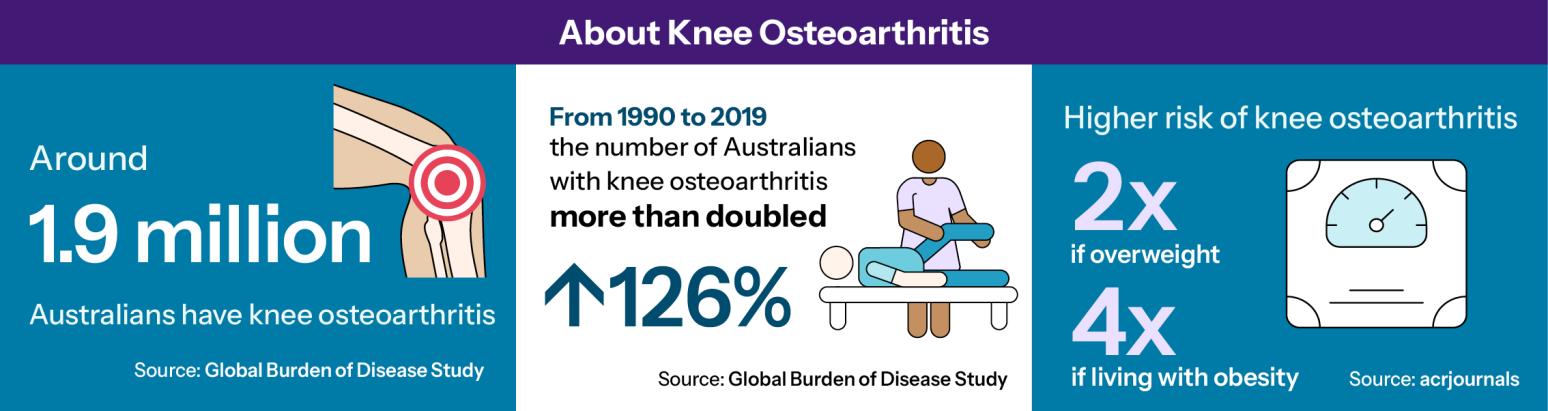
Around 1.9 million Australians are living with knee osteoarthritis, but structural changes identified on imaging frequently bear little relationship to the severity of a patient’s symptoms.
Dr Holdenson Kimura said growing patient expectations were also contributing to the problem, particularly when patients arrived at consultations having researched their symptoms online or using artificial intelligence.
“I think it’s important for GPs to be on the front foot and actually be asking patients what they’ve already read or what they’re expecting, because that helps to structure or tailor the consultation.”
She said explaining the clinical reasoning behind a diagnosis, including the exclusion of red flags such as significant trauma, infection, inflammatory disease, or true mechanical locking, could help reassure patients that a scan was unnecessary.
Related


Continuity of care was also important, particularly when patients were anxious about their symptoms.
Dr Holdenson Kimura said that in her experience, most patients were comfortable foregoing imaging once they understood why it would not inform their diagnosis or improve management.
The Commission’s report also highlighted substantial gaps in the delivery of recommended first-line care, with many patients missing out on education, exercise, and weight management before being referred for surgical assessment.
An Australian study cited in the report found that only half of patients referred for orthopaedic assessment had previously been referred for exercise, while around one-third had received a referral for weight management.
Dr Holdenson Kimura said the challenge was not simply telling patients to exercise, but presenting non-surgical management as an effective, positive treatment option.
“It’s actually about creating a tailored plan with them about what their preferences are and where they are at the moment and what their goals are for the future,” she told TMR.
She said GPs were already skilled at motivational interviewing and lifestyle management for other chronic conditions but might be less confident applying those approaches to knee osteoarthritis.
Language was particularly important, including moving away from descriptions of osteoarthritis as inevitable joint deterioration.
“It’s often described as joint wear and tear, but actually using your joints won’t wear them away. Movement is good for your joints,” Dr Holdenson Kimura said.
Similarly, patients needed reassurance that some discomfort during exercise did not necessarily mean they were damaging their knees.
“Knee joints are strong; they stay healthy through movement and are designed to be loaded. It’s safe to be active, even if it’s a bit sore at the start,” she said.
The report also reveals a 50% reduction in knee arthroscopy hospitalisations over the decade to 2023-24, consistent with recommendations against the procedure for uncomplicated osteoarthritis.
However, knee replacement hospitalisations increased by 17% over the same period.
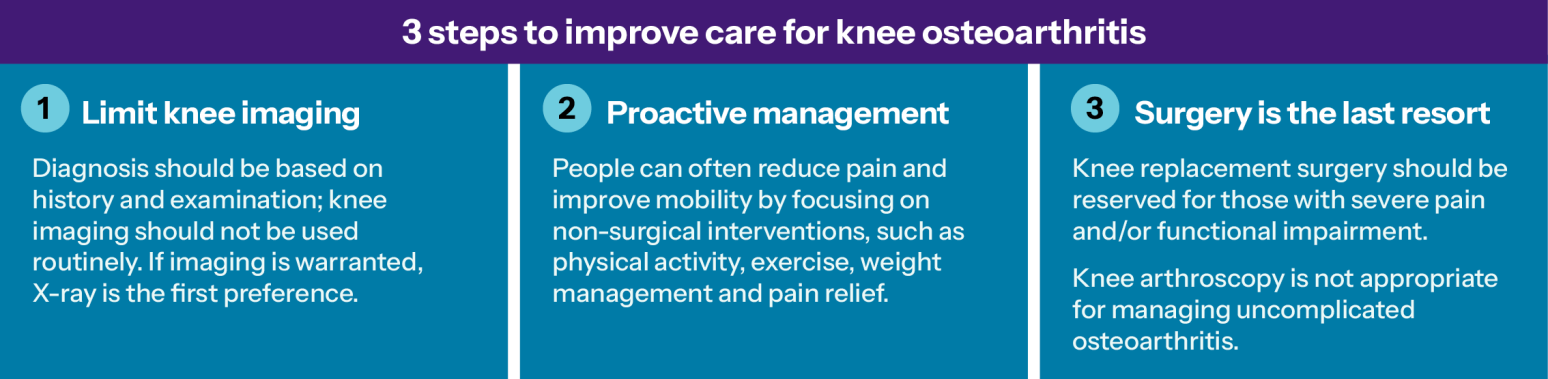
Dr Holdenson Kimura stressed that knee replacement remained appropriate and potentially life-changing for patients with severe, persistent pain and functional impairment despite adequate conservative treatment.
But referring patients for orthopaedic assessment too early could unintentionally reinforce the belief that surgery was inevitable.
She said patients should have a genuine opportunity to trial first-line treatments over a sustained period, rather than attending a single physiotherapy appointment before being referred.
The report also raised questions about whether Medicare arrangements are contributing to the growth in imaging.
Restrictions introduced in 2018 on GP-requested knee MRI scans for patients aged 50 and over may have inadvertently encouraged greater use of CT and ultrasound, although the report does not establish a causal relationship.
Dr Holdenson Kimura acknowledged the possibility.
“In 2018, GPs’ ability to refer for MRI over the age of 50 was restricted,” she told TMR.
“It’s difficult to know but it’s possible that has contributed to the increase in the rates of CT and ultrasound as alternatives to MRI.”
However, she said improving care also required recognition of the time needed for comprehensive consultations, particularly as GPs increasingly managed patients with multiple chronic conditions.
The Commission’s clinical commentary identified patient expectations, time pressure, fear of missing pathology and lack of confidence in clinical diagnosis as potential drivers of unnecessary imaging.
It also recommended considering better remuneration for longer GP consultations to support thorough assessment and patient education.
Dr Holdenson Kimura said taking the time to establish the right management plan from the outset could ultimately save both patients and the health system from unnecessary investigations and follow-up appointments.
For patients who remained insistent on imaging, she suggested a flexible approach that included offering physiotherapy, exercise, and a chronic condition management plan, with a commitment to review their progress and not rule out a scan in the future.
“We don’t want to come across as denying patients healthcare, which is not what we’re trying to do,” she said.
Her central message to GPs was to have confidence in their clinical assessments, use language that encouraged patients to remain active, and strongly promote non-surgical management as the first line of treatment.
“Empowering patients to believe that it will work and to have the confidence to give it a really good crack is key,” she said.
Professor David Hunter, a rheumatologist and clinical researcher at the University of Sydney and Royal North Shore Hospital who contributed to the Commission’s latest report’s expert group, said the consequences of unnecessary imaging extended well beyond the initial investigation.
“The bigger concern I have, is that the application of imaging leads to downstream effects that I don’t think people necessarily think about when they first order a scan,” he told The Medical Republic.
“So patients go on and have further investigations – but probably more importantly concerning, are the inappropriate interventions these scans can lead to, like arthroscopy.
“We really need to get the message out about the downstream consequences, that people don’t necessarily think about with regards to the initial investigation.”
He said structural abnormalities, particularly degenerative meniscal lesions, were extremely common in older adults, including those without knee pain or other symptoms.
Yet imaging reports could create anxiety and reinforce the belief that structural changes required surgical correction or immediate specialist referral.
“When the patient sees that scan, they see a war zone of a report, and it’s very hard for them to unsee that report,” Professor Hunter said.
He said clinicians needed to move away from treating imaging abnormalities in isolation, and instead focus on symptoms, function and clinical assessment.
“We need to treat the person, not the scan,” he said.
However, he acknowledged the difficulties facing GPs, who must manage patient expectations and explain why imaging was often unnecessary.
“It takes it takes a fair amount of counsel to tell someone why we don’t need an image to make the diagnosis,” Professor Hunter said.
“We need to explain that we are confident of the diagnosis based on what we’ve seen in a clinical examination. So it takes a bit of time and a reasonable amount of confidence.”
The Atlas Focus Report: Osteoarthritis of the Knee and the Commission’s updated Osteoarthritis of the Knee Clinical Care Standard are available through the Australian Commission on Safety and Quality in Health Care.
