

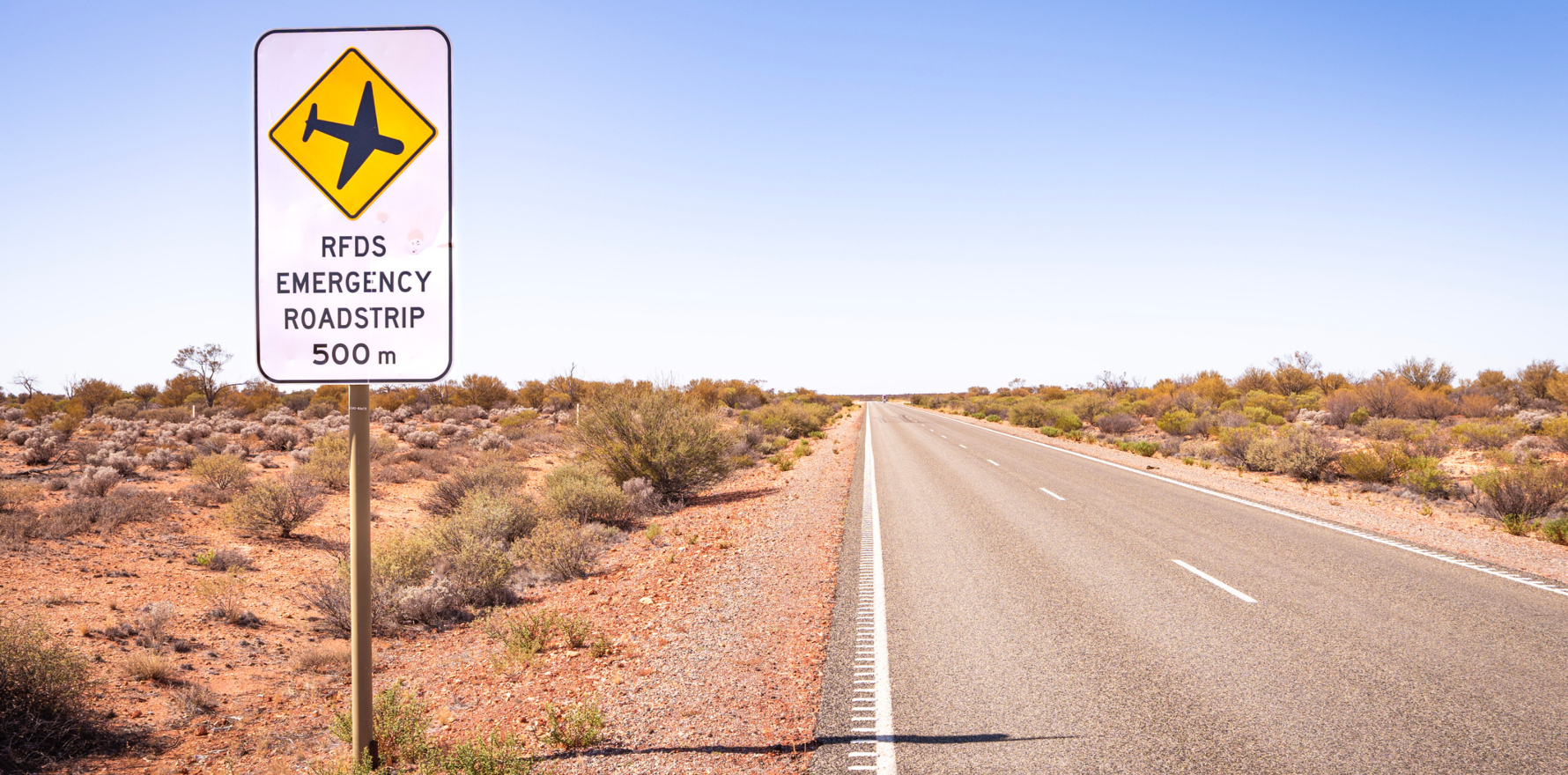
We know what rural health needs. We just need to join the dots, the Royal Flying Doctors Service says.
Changes to Medicare, workforce support measures, and moving on from pilot programs are among the rural health fixes proposed by the RFDS in its latest Best for the Bush report.
Thousands of Australians living in remote and rural areas had a life expectancy 13 years lower than those in metro areas, and that gap wasn’t closing, said the organisation serving rural communities for nearly a century.
“Primary health care in rural and remote Australia is at a critical juncture,” said RFDS Federation chief executive Emma Buchanan.
“For the communities furthest from care, progress has been too slow and too modest for the scale of need, with a decade of national improvement failing to narrow the health divide.”
This year’s report showed that travel costs were a major factor in healthcare access, with respondents worrying as much about getting to a doctor as the cost of the medical care itself.
This was in addition to long wait times and few after-hours services.
GPs took care of most health needs in the bush, but 42,000 people lived more than an hour away from their nearest doctor, the report said.
“A bulk-billed appointment 200 kilometres away is not a free appointment. When a check-up means a tank of fuel, a night away and a day’s lost wages, people understandably weigh up whether they can afford to go at all, and all too often they wait until a manageable problem has become an emergency,” said RFDS Federation chief executive Emma Buchanan.
“Australia needs a national rural and remote health action plan, built and delivered locally, that funds care where people live, so the cost of distance is no longer carried by patients.”
The proven models were already there, the report said, but too often they were run as pilot projects that were not then recurrently funded and adapted to other communities, and trust was lost when services were closed.
“Reform must be planned over decades, not budget cycles, with funding certainty that sustains community confidence and workforce stability,” the report said.
In addition, progress should be measured against agreed benchmarks for changes in communities with the least access and reported publicly, the RFDS advised.
The report noted that, for the first time, the National Health Reform Agreement Addendum 2026-2031 (the Agreement) included a dedicated schedule on rural and remote health equity, saying it’s “a once-in-a-generation opportunity to close health inequalities that have persisted for decades”.
However, there was no actual plan of action, the report said, with no one level of government responsible for overseeing the entire “patient journey”.
“What is missing is the connective tissue: a national rural and remote health action plan that turns existing commitments into funded, sequenced actions, assigns responsibility for them, and takes them into the communities where care is hardest to sustain,” the report said.
It said the plan should be jointly led by state and territory health ministers and developed along with communities, Aboriginal Community Controlled Health Organisations, Primary Health Networks, state and territory health services, and service providers.
“Much of what works in these communities is already known, including visiting teams, transported clinics, virtual care and medicines placed ahead of need, and in partnership with government we can take those models to more communities so more people can access care closer to home,” said Ms Buchanan.
The RFDS recommended:
- agreed benchmarks for reasonable access to services people would actually use (co-designed, rather than built with consultation);
- funding of the whole model – everything from the airstrip needed to land a plane to connectivity for the telehealth service, not just the currently covered by Medicare cost of the doctor’s visit, because the Medicare model only worked where there were fixed services;
- support for the right mix of workforce skills in a community, including housing, supervision, and payment not tied to consultation volume;
- and a shared record that followed the patient rather than being situated with one practitioner.
Related


Medicare rules about how clinicians were paid also did not work for remote patients, and community need exemptions to Section 19(2) of the Health Insurance Act 1973 would allow patients seen by a grant-funded GP to also access Medicare-funded follow-on care through the same doctor, the RFDS said.
Without changes, people in remote and regional Australia would continue to suffer and die from conditions that their city cousins did not.
“In very remote Australia, people die of diabetes and chronic obstructive pulmonary disease at more than twice the rate of people in major cities, and coronary heart disease alone accounts for approximately one-third of the mortality gap between them,” the RFDS report said by way of illustration.
“These are conditions where timing, proximity and continuity of care are decisive. A heart attack that is survivable in a city can be fatal in a community hours from a hospital equipped to treat it. Diabetes held stable by regular monitoring in a city may progress between intermittent visits further out. The condition is the same; however, the health care system surrounding it is often not.”
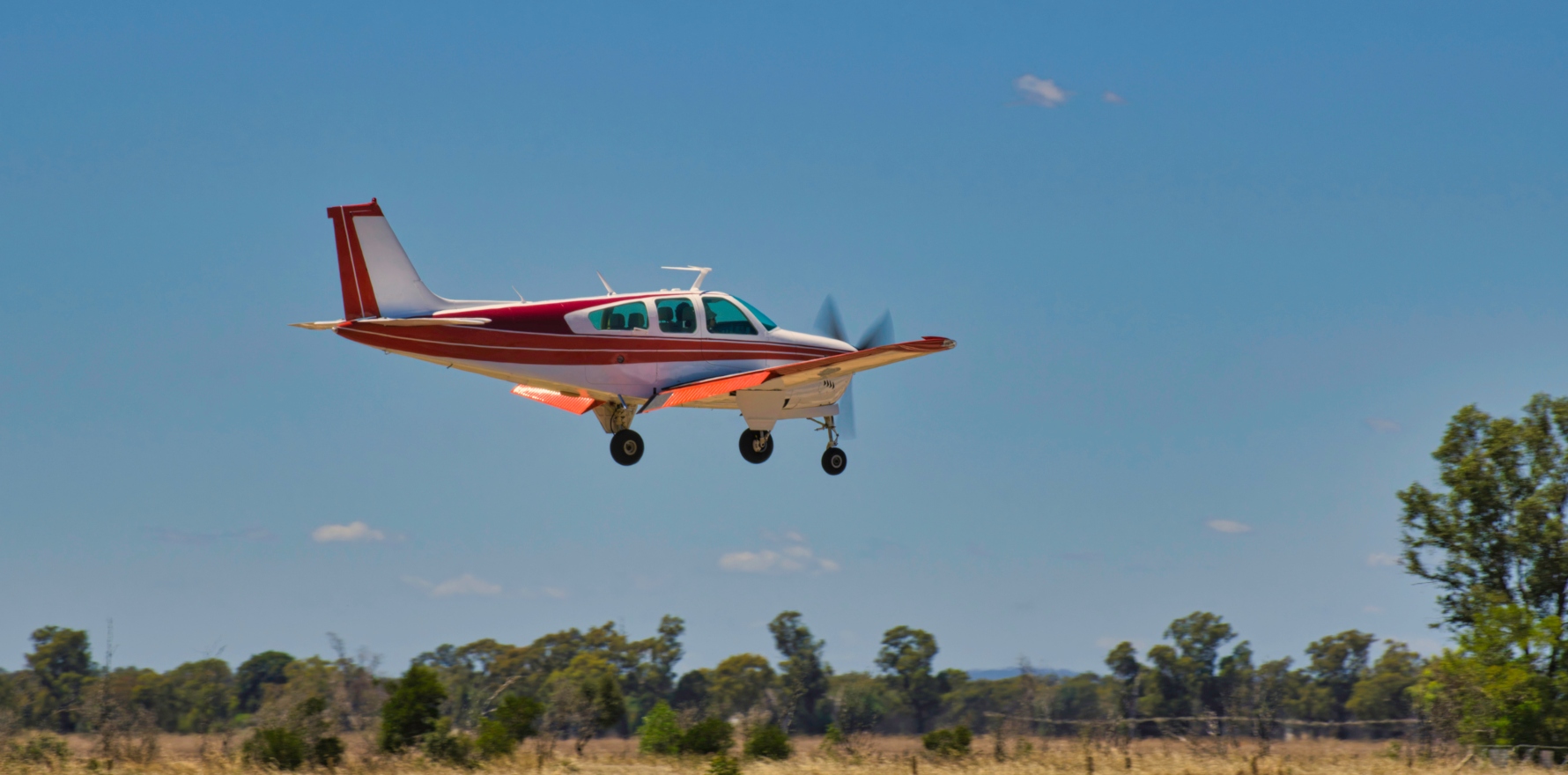
The RFDS is one of the largest aeromedical services in the world, taking people to emergency services, transferring them between hospitals, and also providing primary healthcare and a 24-hour emergency telehealth service. It covers around 2.9 million people from 23 aeromedical bases and over 200 primary care locations.
Over three years to 2024-25, Commonwealth funding to the organisation paid for 14,613 aeromedical evacuations, 103,771 GP and nurse clinic consultations, 31,808 dental appointments, 45,557 mental health services, and maintained around 2,100 medical chests.
The report said that independent economic analysis showed Commonwealth-funded primary health care services over that period, which included GP and nurse clinics, dental treatment, and mental health consultations, meant patients avoided over 85 million kilometres of travel that would have cost them around $94 million.
The analysis also found that around 5900 premature deaths were averted and 440,000 years of healthy life preserved over the same period by Commonwealth-funded RFDS aeromedical evacuations and GP and nurse clinics.
The RDFS nurse and GP clinics reduced the cost to the wider health system by around $90 million by treating patients in the community who would otherwise have had to be admitted to hospital by aeromedical evacuation, according to the analysis.
Read the full report here.
