


Predictive glucose technology may give insulin-treated patients an earlier opportunity to act, but experts say prospective trials and clinical judgement remain essential.
AI-enabled glucose prediction could give insulin-treated patients an earlier opportunity to prevent hypoglycaemia, with new research linking the technology to fewer overnight lows and improved time in range.
A retrospective real-world study involving 249 adults found that using an AI-enabled Night Low Predict feature at bedtime was associated with 20% lower odds of nocturnal hypoglycaemia of any severity compared with nights when the feature was not used.
Researchers analysed 8158 nights of continuous glucose monitoring (CGM) data from adults who had experienced at least one nocturnal hypoglycaemic event.
The findings, published in Diabetes Research and Clinical Practice, add to growing interest in moving continuous CGM beyond showing patients their current glucose level and direction of travel towards predicting clinically important events before they occur.
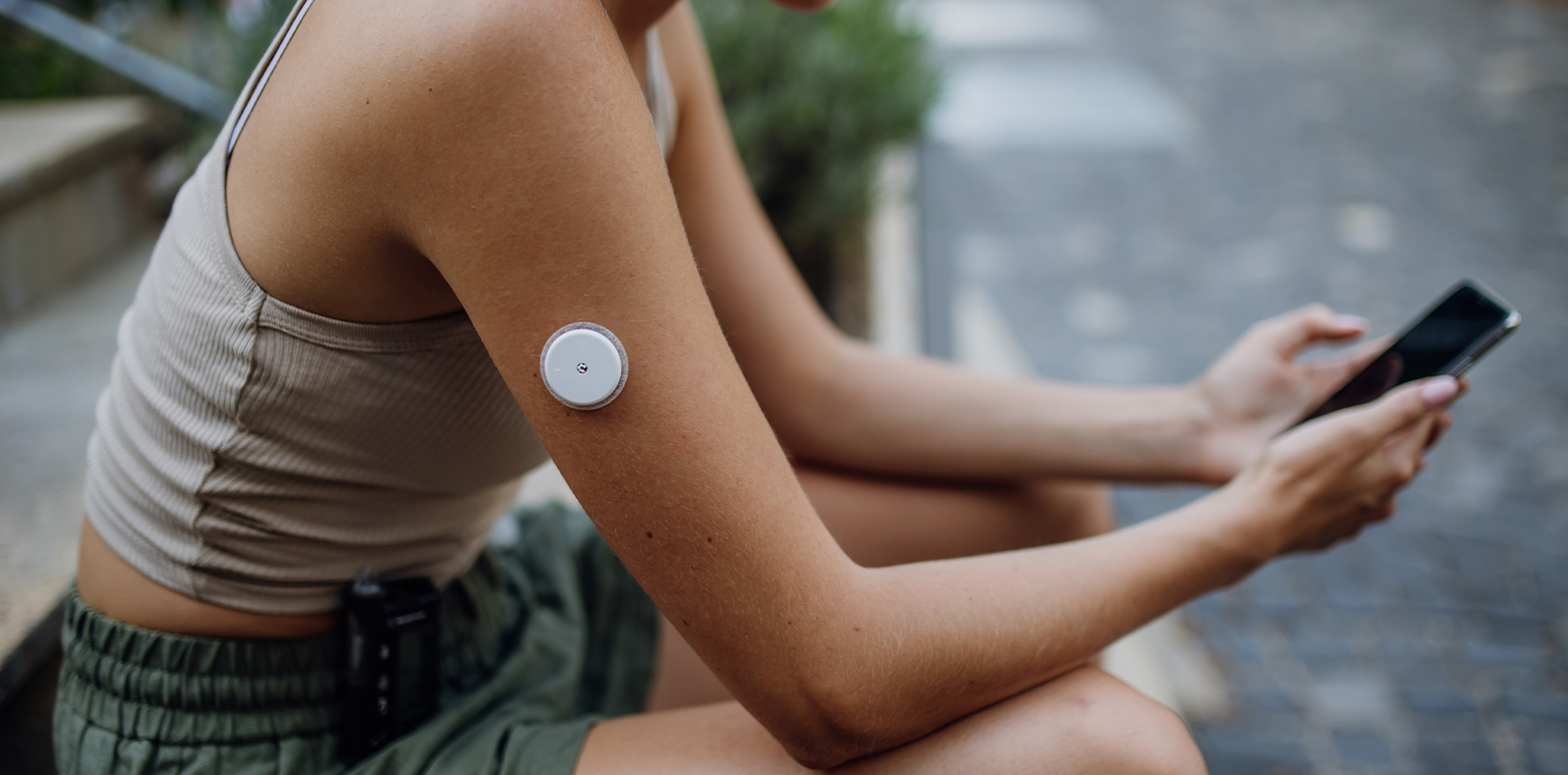
Predictive CGM combines current and historical sensor data with machine-learning algorithms. Depending on the system, it can estimate short-term glucose direction, warn that a low-glucose event is imminent or calculate the likelihood of hypoglycaemia during a specified overnight period.
But the observational nature of the real-world study meant it could not establish that the prediction feature itself caused the reduction in overnight hypoglycaemia.
The researchers nevertheless concluded that the results supported the potential for night-time glucose prediction to help people with diabetes manage nocturnal hypoglycaemia in everyday settings.
The shift from monitoring to prediction will be among the emerging topics considered as clinicians and researchers gather in Melbourne today for the International Diabetes Federation Western Pacific Region Congress.
Associate Professor Neale Cohen, director of clinical services at the Melbourne-based Baker Heart and Diabetes Institute, said predictive technology could change the way patients use glucose information.
“For decades, glucose monitoring has helped answer the question: what is happening now? Predictive technology asks a different question: where is glucose likely to be heading next?” he said.
“For people using insulin, that additional warning may create an opportunity to respond earlier.
“The clinical value is not simply more data; it is whether that data can be translated into timely, understandable information that supports safer and more confident self-management.”
Related


A second study published in Diabetes Technology & Therapeutics approached the question differently, using a clinically backed digital-twin simulator to model how adults with type 1 diabetes might respond to predictive alerts.
The in silico intervention produced an average 2.9 percentage point reduction in time below range and an increase of more than 3.6 percentage points in time in range. It also reduced the daily number of CGM low-glucose alarms by 67%.
These results did not come from patients receiving the intervention in a prospective clinical trial. Instead, researchers used computer simulation to examine how different responses to predicted glucose changes could affect glycaemic outcomes under modelled conditions.
The researchers said the digital-twin approach allowed potential interventions to be tested under controlled conditions, but the results demonstrated potential clinical utility rather than outcomes directly observed in people.
They said the evaluation provided strong evidence supporting the potential clinical utility of the technology.
“By enabling proactive, data-driven interventions, the app’s predictive features can reduce hypoglycaemia and improve TIR without the significant hyperglycaemic trade-offs associated with less targeted strategies,” the researchers concluded.
“These promising results warrant further investigation in a real-world clinical trial to confirm the benefits observed in this simulated environment.”
Associate Professor Cohen said that distinction was important when considering the developing evidence base.
“The real-world and in silico findings answer different questions and should be interpreted accordingly,” he said.
“Real-world data help us understand how a feature performs when people choose whether or not to use it in everyday life.
“Digital-twin modelling helps researchers evaluate possible interventions under controlled conditions.
“Together, they add to the evidence base, but prospective clinical research and appropriate clinical judgement remain important.”
The potential significance of predicting hypoglycaemia extends beyond conventional glucose measures. Nocturnal hypoglycaemia remains a concern for many people treated with insulin and has implications for sleep, fear of hypoglycaemia and diabetes distress.
Australian findings from global research commissioned by Roche Diabetes Care suggested there was substantial patient interest in predictive technology.
Almost eight in 10 Australians surveyed (78%) said they would like technology capable of predicting glucose changes before they occurred.
More than half said diabetes negatively affected their sleep, while almost one in three said feeling safer overnight would help them feel more in control of their condition.
Associate Professor Cohen said technology could not remove the complexity of diabetes management and should not be regarded as a replacement for education or clinical care.
“Its promise is in helping people recognise risk earlier and make better-informed decisions between consultations,” he said.
“For clinicians, the challenge will be to understand where predictive information adds value, ensure patients know how to respond appropriately, and keep the technology anchored to individual treatment goals.”
The studies sit within a wider body of work investigating whether prediction can reduce the burden of hypoglycaemia and make CGM information more useful to patients.
Anand Vairavan, managing director of Roche Diagnostics Australia, said the research reflected a broader evolution in the use of health data.
“The future of diabetes care is not simply collecting more data. It is turning data into meaningful insight that may help people and their healthcare teams anticipate risk, support more personalised care and reduce some of the uncertainty of living with diabetes,” he said.
The International Diabetes Federation Western Pacific Region Congress is being held in Melbourne from 18 to 21 August 2026.
