

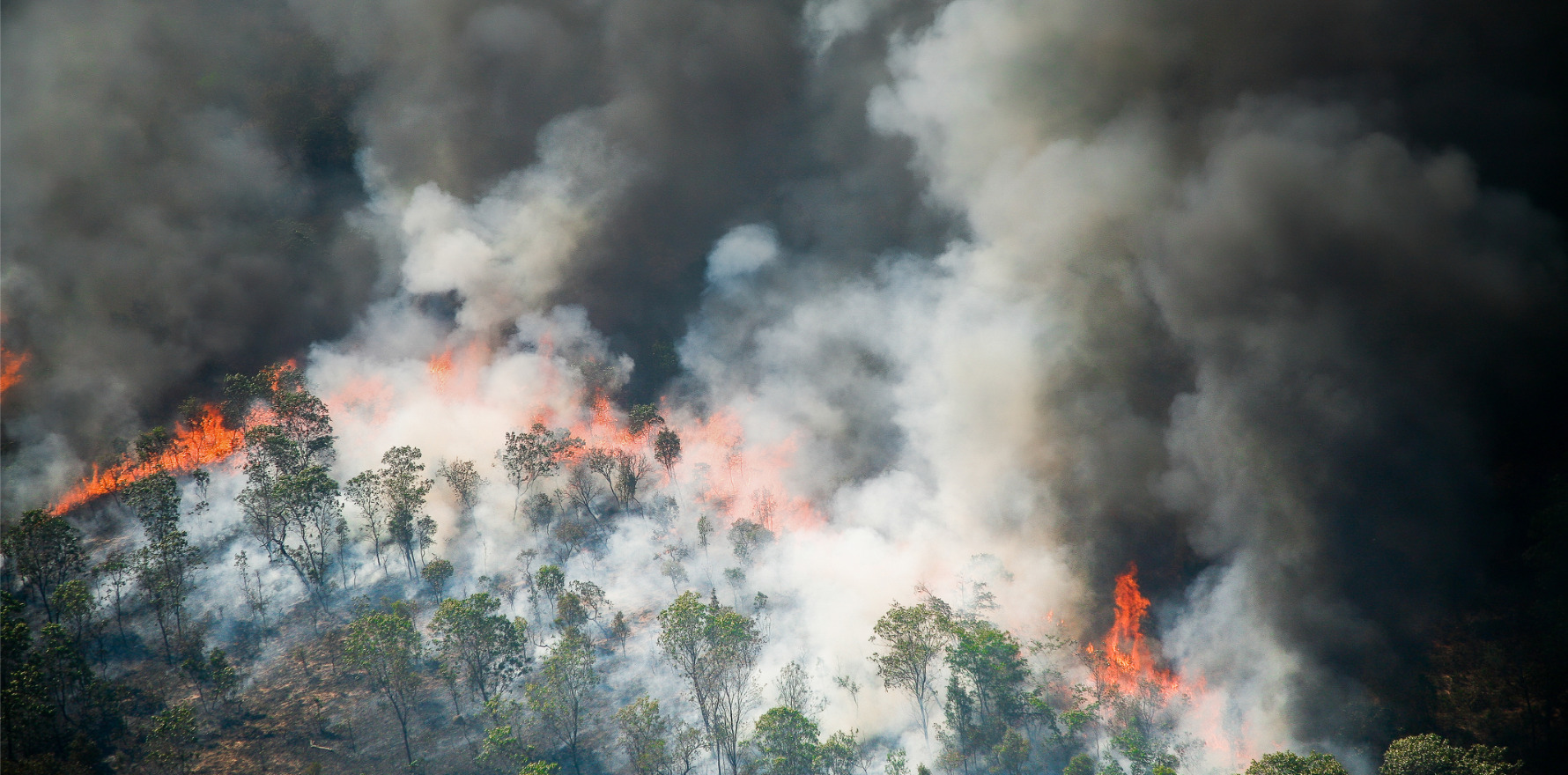
An international study including Australian data found schizophrenia and anxiety cases spiked within days of exposure.
Short-term exposure to bushfire smoke is associated with a measurable rise in emergency department presentations for mental health disorders among children and adolescents, a large multi-country study has found.
The research, which included Australian data, strengthens concerns that bushfire smoke is not only a cardiopulmonary hazard but also an acute neuropsychiatric stressor for young people.
Results have been published in Nature Mental Health.
“To the best of our knowledge, this is the largest study on estimating the associations between wildfire-specific PM2.5 [particulate matter with a diameter of 2.5micrometres or less] and ED visits for child mental disorders, on a multi-country scale, with 15 years of data,” the authors wrote.
“This association was supra-linear and could persist for nearly one week after exposure, with schizophrenia being the most concerning. Boys and younger children under five years were more vulnerable to most sub-types of mental disorders, while girls experienced a greater increase in the odds of schizophrenia, from exposure to wildfire-specific PM2.5.
“Community-level GDP, built-up ratio and non-wildfire PM2.5 level were significant modifiers, with a higher vulnerability observed in communities with low GDP, higher built-up ratio and high non-wildfire PM 2.5 levels and in Brazil.”
Using health and exposure data from 845 communities across Australia, Brazil and Canada between 2004 and 2019, researchers examined more than 3.17 million ED visits for mental disorders in individuals aged 19 years and younger.
The data spanned diagnostic categories including substance use, schizophrenia, bipolar affective disorder, depression, anxiety and other specified or unspecified conditions.
Australian health data were collected for 91 Statistical Areas Level 3 of New South Wales from the NSW Admitted Patient Data Collection during 2005‒2019.
The analysis distinguished bushfire-specific PM2.5 from PM2.5 generated by other sources and compared their respective associations with paediatric mental health-related ED visits.
Each 1μg/m³ increase in daily wildfire-specific PM2.5 was linked to a 1.4% increase in the odds of a mental health-related ED visit, with the strongest signal emerging about six days after exposure and persisting across roughly a week-long window.
The researchers noted that the association varied by diagnosis. Schizophrenia-related ED visits showed the largest increase, with substantially higher odds compared with other categories, while clinically important elevations were also observed for anxiety, depression and bipolar affective disorder.
Substance use-related visits increased as well; however, it was a smaller relative change. The findings suggested that acute smoke exposures may preferentially destabilise certain symptom clusters, particularly psychotic and severe anxiety presentations over short periods of time.
However, the researchers noted that the study could not determine whether the smoke precipitated first-onset symptoms, relapse, exacerbation of comorbidity or help-seeking behaviour driven by broader distress.
The study also identified subgroups and settings with stronger associations. Effects were generally more pronounced in boys, in very young children under five years for several subtypes, and in communities characterised by lower income and greater urbanisation.
At a country level, Brazil showed the highest estimated risk, followed by Australia, while Canada showed fewer statistically significant associations for some outcomes, a difference the authors discussed in the context of differing baseline pollution, health-system access and socioeconomic conditions.
Related

Beyond relative risks, the authors estimated the attributable burden of bushfire-specific PM2.5. Across the study period, bushfire smoke was associated with an estimated 22,459 additional ED visits for child and adolescent mental disorders per year, representing about 15% of total mental health ED visits in the dataset under causal assumptions.
The researchers pointed to several plausible biological pathways linking inhaled particulate exposure to mental health outcomes, including neuroinflammation, oxidative stress, disruption of the blood–brain barrier, hormonal and stress-axis dysregulation, epigenetic changes, sleep disruption, and indirect effects mediated by physical symptoms and reduced sunlight exposure during smoke events.
For clinicians and health services, the researchers said the findings reinforced the need to treat wildfire smoke episodes as periods of heightened mental health risk for children and adolescents, not solely respiratory risk windows.
EDs and community services in smoke-affected regions may need to anticipate short-lag surges in acute psychiatric presentations, particularly for anxiety, mood destabilisation and psychosis-related symptoms, and to plan surge pathways that include paediatric-appropriate assessment capacity and follow-up.
The subgroup patterns also support targeted outreach to families with very young children, boys, and those living in lower-income and densely built urban areas, where compounded exposures and barriers to care may magnify harm.
The authors noted that their study focused on the air-pollution pathway and did not capture other wildfire-related mental health drivers such as evacuation trauma, property loss, extreme heat and longer-term climate anxiety, suggesting the overall mental health burden of wildfires on young people may be even broader.
Limitations included reliance on community-level exposure estimates rather than individual exposures, potential under-recognition and under-coding of mental disorders in very young children and limited representativeness, as Australian data were sourced only from NSW and community coverage varied over time.
They said the consistency of methods across three countries and the scale of the dataset provided a strong signal that bushfire smoke was associated with meaningful increases in acute paediatric mental health service utilisation.
The researchers said the study added urgency to integrating mental health protections into fire preparedness and response. This included public health messaging that addresses neuropsychiatric as well as respiratory risks, school and childcare guidance for smoke days, accessible clean-air shelters and equitable access to paediatric mental health care during and after smoke events.
“These findings underscore the importance of integrating mental health considerations into public health responses to wildfire events and support the development of targeted adaptation and intervention strategies for vulnerable paediatric populations,” they concluded.
