

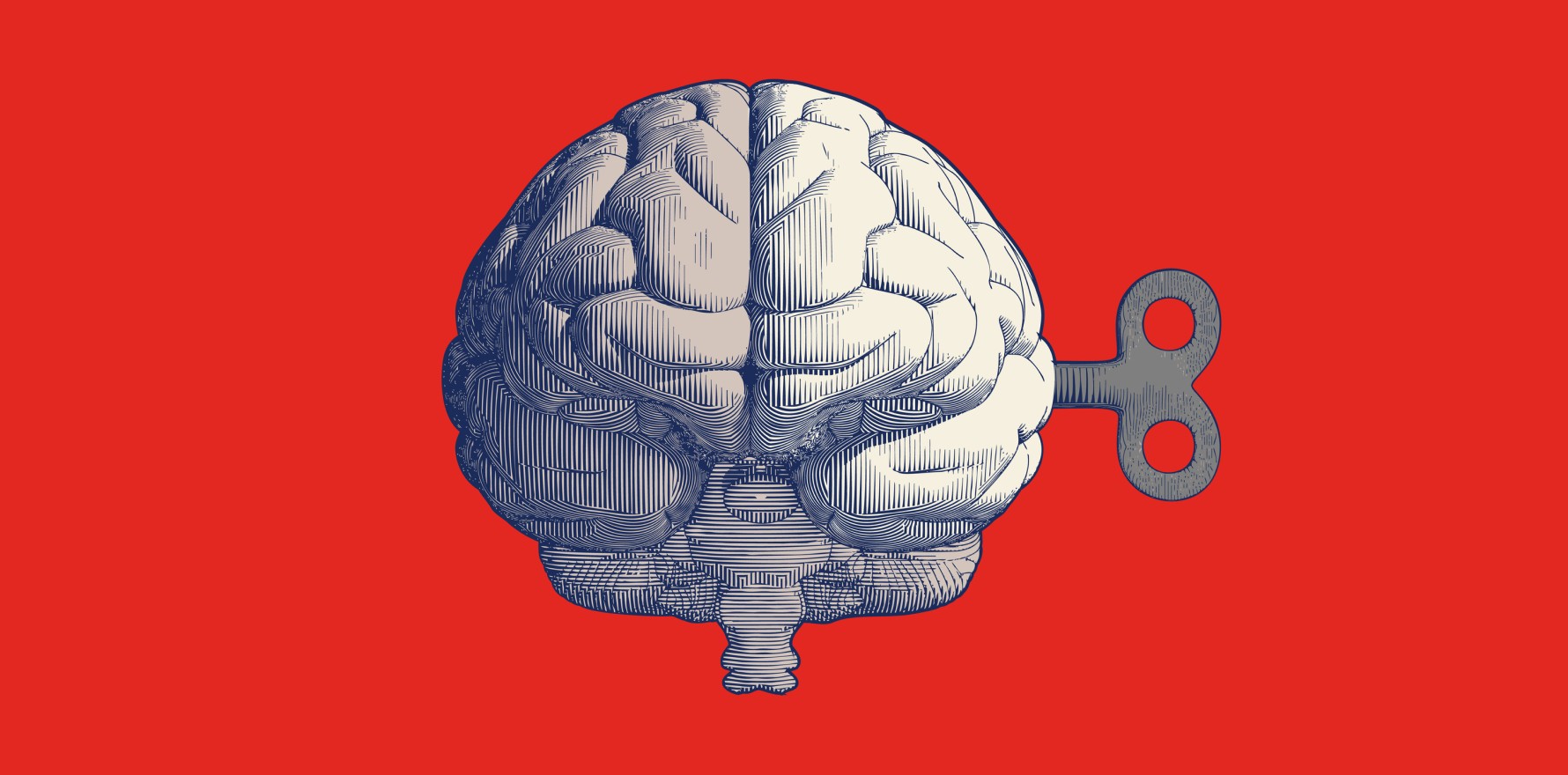
If AI is not merely a tool but an environment, one that quietly reshapes how we perceive the world around us, then we need to think beyond AI writing our notes.
If writing is thinking, what happens when we offload writing to machines?
I’ve thought – and written – a lot about this question. Still, I enjoyed emergency physician Helen Ouyang’s fresh and sensitive perspective in her New York Times essay on AI scribes.
She traces how medical note writing evolved over the past century, starting in the early 1900s, when Mayo Clinic’s Dr Henry Plummer reorganised medical records around patients, allowing physicians to follow them across visits and over time.
Decades later, pioneering informaticist Dr Lawrence Weed developed the SOAP note, encouraging physicians to make their reasoning visible on the page.
Like most physicians, I learned the SOAP structure in the early 2000s. Over time, I learned to write notes that clearly explained patients’ stories to others and, perhaps even more importantly, to myself.
It takes time and effort. But as Paul Graham wrote, “Writing is thinking”. Leslie Lamport went further: “If you’re thinking without writing, you only think you’re thinking.”
Now, as Dr Ouyang, herself a writer, observes, note writing is changing before our eyes … and ears.
By shifting us from author to editor, AI scribes reshape how we think and reason. Many of us are feeling it.
One of her more original observations is how AI also changes how we listen. Freed from taking mental or written notes during a conversation, we may become more present with patients. We may also become less engaged in the difficult work of listening closely and creating narratives in our minds.
A few reflections.
First, we’ve already offloaded much of our writing to the electronic health record. Today’s notes are often bloated, illogical, and sometimes nearly incomprehensible. AI didn’t create that problem.
Second, note writing itself isn’t necessarily sacred. Until the early 1900s, physicians didn’t write notes. Physicians in the early 2100s almost certainly won’t either. We are continually adapting how we work. The question is how we can preserve what matters most.
Related
Finally, I’ve long thought of AI scribes and related applications as tools. That view is reassuring because tools are something we choose how to use. It fits into Kranzsberg’s first law that tech is neither good nor bad nor neutral
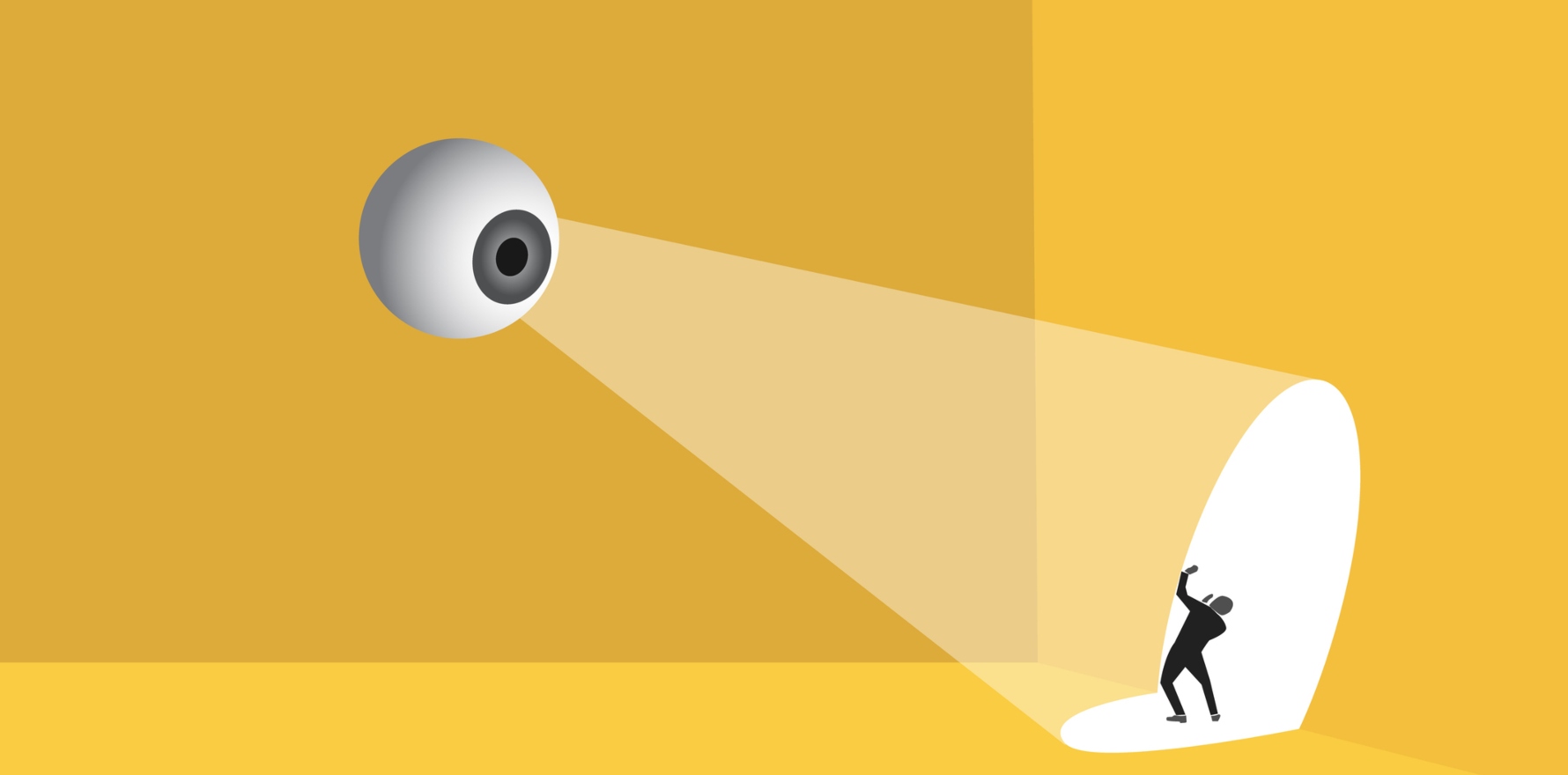
But in a recent essay for Convivial Society, philosopher LM Sacasas argues otherwise. Drawing on Marshall McLuhan and Ivan Illich, he suggests AI is not merely a tool but an environment, one that quietly reshapes how we perceive the world around us.
If that’s right, then we need to think beyond AI writing our notes.
The deeper question, as Dr Ouyang hints at, is whether we’ll continue to notice how our new environment is changing us, and whether we’ll remain active participants in deciding what comes next.
Professor Spencer Dorn is executive medical director at the University of North Carolina and professor of medicine at UNC.
This article was first published on Professor Dorn’s LinkedIn feed. Read the original article here.
