

The health department says talks were limited to implementation of proposed regulations, with no significant changes evident between the exposure draft and final rules.
The Department of Health, Disability and Ageing held individual meetings with four of the world’s biggest tobacco companies during consultation on Australia’s landmark new on-product tobacco health warnings, according to a departmental transparency report.
The DoHDA’s’s latest Report on significant interactions between the Department of Health, Disability and Ageing and the tobacco industry reveals officials met separately with British American Tobacco Australia, Imperial Tobacco Australia, Philip Morris, and Richland Express on 15 November 2024.
This article originally ran on TMR’s sister site, Health Services Daily. TMR readers can sign up for a discounted subscription.
The meetings followed a targeted consultation conducted by Allen and Clarke Consulting on the draft Public Health (Tobacco and Other Products) Amendment (On-Product Health Messages and Other Measures) Regulations 2024.
According to the report, Allen and Clarke invited the four companies that had lodged submissions to the targeted consultation to individual virtual meetings with the DoHDA.
“The department undertook virtual meetings with the four tobacco companies, regarding the contents of their submissions to further understand implementation considerations regarding the draft Public Health (Tobacco and Other Products) Amendment (On-Product Health Messages and Other Measures) Regulations 2024,” the report said.
“Allen and Clarke Consulting attended the interviews as an observer.”
Related

The DoHDA said the interactions were conducted as part of Australia’s obligations under Article 5.3 of the World Health Organization Framework Convention on Tobacco Control, which requires governments to protect public health policy from the vested interests of the tobacco industry.
“As part of Australia’s obligations under Article 5.3 of the World Health Organization Framework Convention on Tobacco Control, the Department of Health, Disability and Ageing (the department) only interacts with the tobacco industry where necessary to ensure that our regulation is effective,” the report said.
“Where any significant interactions between the department and the tobacco industry do occur, they are published in this report.”
The report outlined a two-track consultation process.
A public consultation on the draft regulations was open from 30 October to 8 November 2024.
At the same time, Allen and Clarke Consulting conducted a separate targeted consultation with tobacco companies between 30 October and 29 November 2024.
Submissions were received from British American Tobacco Australia, Imperial Tobacco Australia, Philip Morris, and Richland Express. Scandinavian Tobacco Group Australia did not lodge a submission, while TabSol Australasia was later added to the targeted consultation after contacting the DoHDA for further information.
The report noted that no tobacco industry submissions were received through the public consultation.
“The targeted consultation was undertaken in parallel to a public consultation which was open from 30 October – 8 November 2024. No submissions to the public consultation were received from industry.”
The DoHDA also said the targeted consultation submissions would not be released.
“Due to the inclusion of commercial-in-confidence information, the submissions received during the targeted consultation cannot be published.”
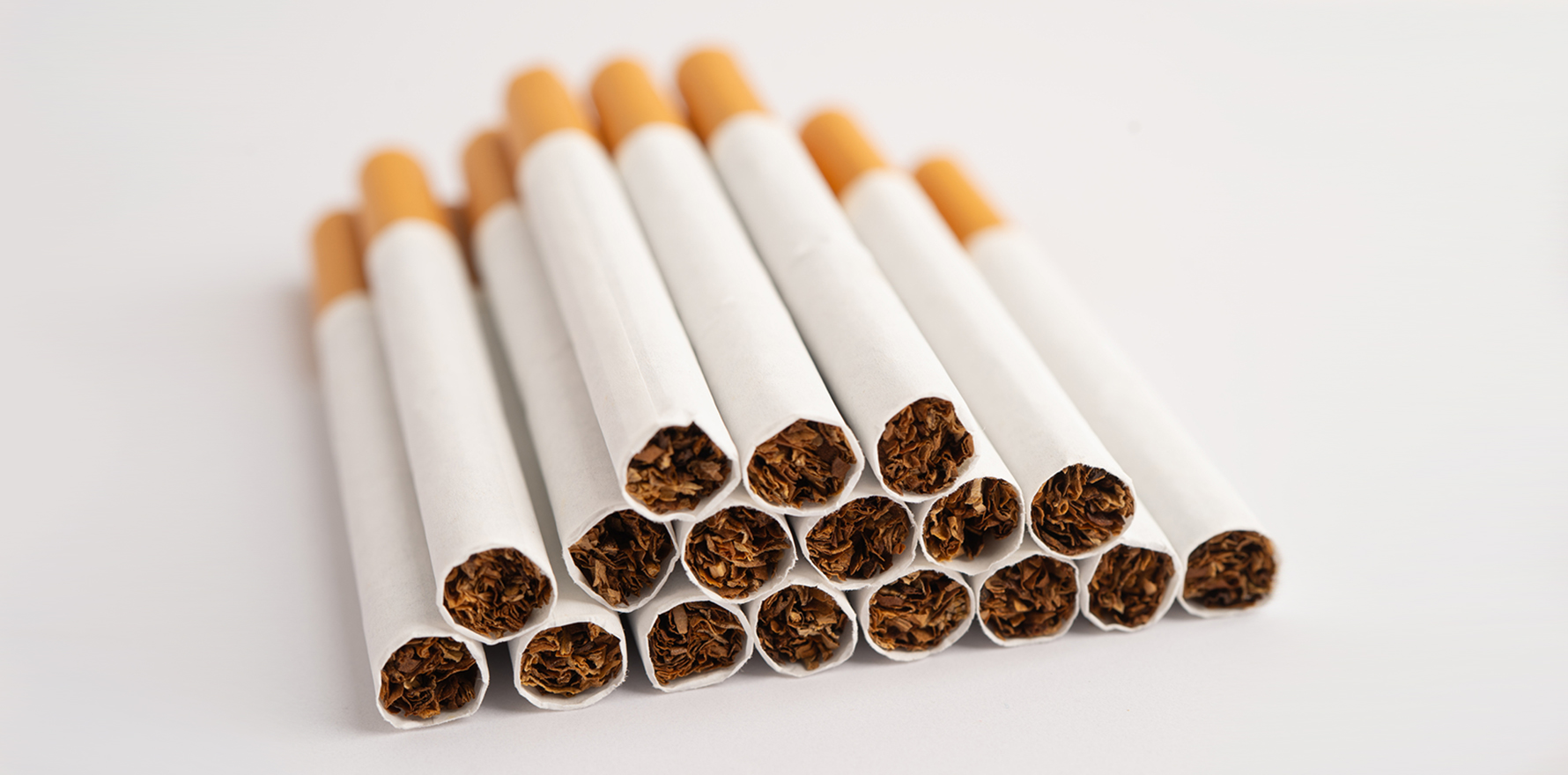
The regulations were registered on 12 December 2024 and introduced Australia’s world-first requirement for health messages to be printed directly on individual cigarettes, along with other tobacco packaging reforms.
A comparison of the exposure draft released for consultation and the final regulations did not reveal any obvious substantive changes that appeared to favour the tobacco industry.
The key reforms, including the introduction of on-product health messages, remained intact in the final legislative instrument. While there were drafting and explanatory changes between the exposure draft and the final regulations, no significant policy changes were readily apparent.
