

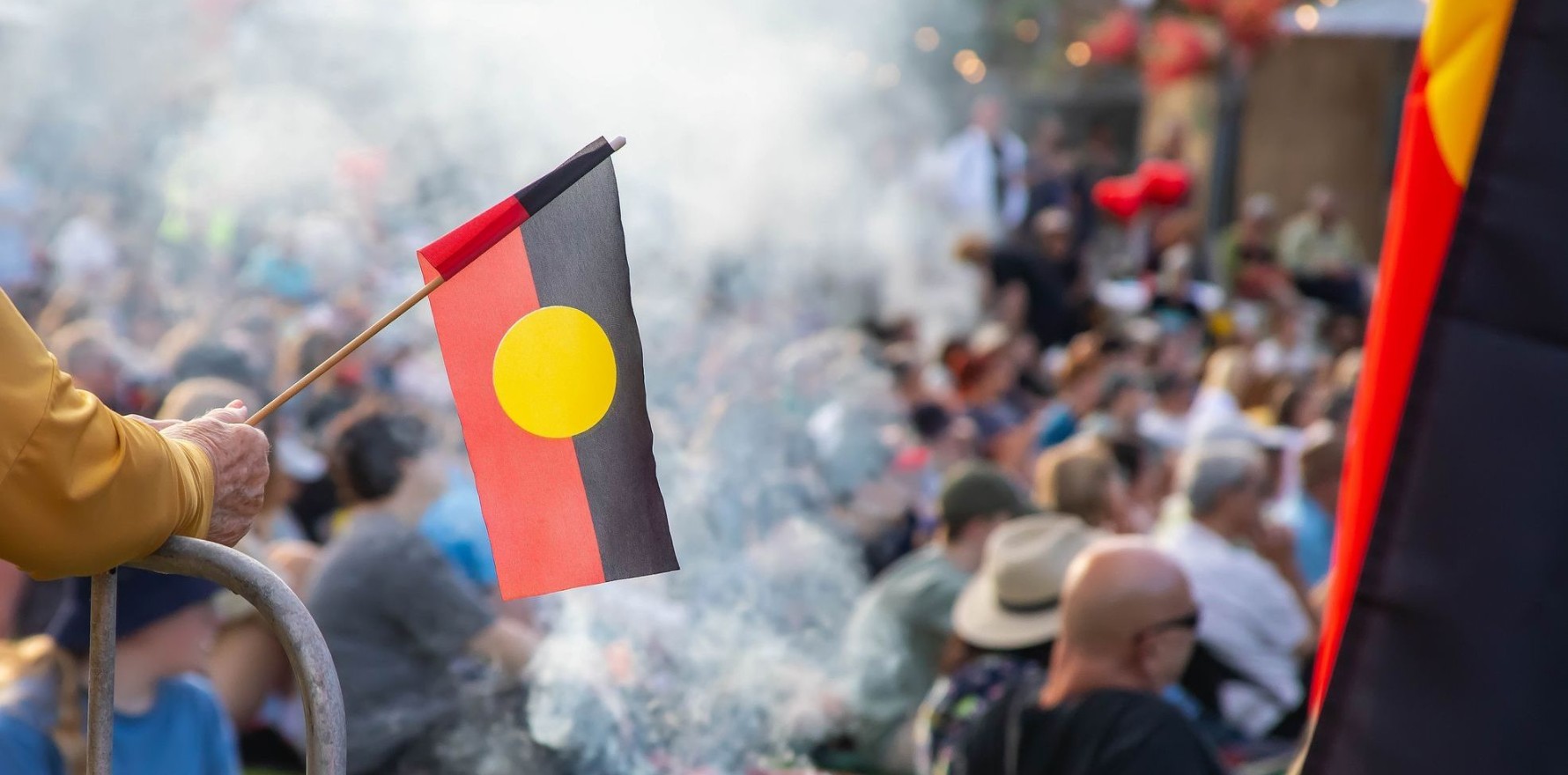
The AMA launches a new reconciliation action plan, committing to improve membership opportunities for Indigenous doctors.
AMA president Dr Danielle McMullen says the association is committed to deepening its understanding of Indigenous history and culture, officially launching the association’s new reconciliation action plan at the federal AMA conference on Saturday.
In a panel discussion introducing the plan, ophthalmology registrar Dr Thomas Mylne – a Gangalu man who grew up in regional Queensland – spoke about the importance of connection in Aboriginal and Torres Strait Islander culture.
“For Aboriginal and Torres Strait Islander peoples, connection is inseparable from health,” he said.
“It includes connection to family, kinship, community, culture, country, language, and identity.
“These are not peripheral considerations to be addressed after the real clinical work is done. They are the foundations upon which health and well-being are built.
“As doctors, we therefore need to understand connection holistically. A patient may be digitally connected yet feel culturally unsafe.
“They may have access to a telehealth appointment, but no safe place from which they can attend it.
“Information may reach them instantly, but it may not be included in language that is meaningful, culturally relevant, or trusted.
“A health service may be geographically close, whilst remaining relationally different. Our most marginalised communities have both the most to gain and the most to lose from an increasingly connected world.”
Dr Mylne also cautioned against removing the human touch from healthcare, arguing that improving health for First Nations communities meant more than merely delivering a service.
“If efficiency becomes our only measure for success, we can mistake a completed transaction for a therapeutic relationship,” he told delegates.
“And if we only focus on data, devices, and systems, we risk losing the humanity that makes medicine not simply a science, but an art.
“The art of medicine lives in how we listen. It lives in trust, time, humility, and relationship.”
Dr Mylne encouraged any doctors who wanted to improve cultural safety to research and make connections with their local land councils and Aboriginal Community Controlled Health Organisations.
Related

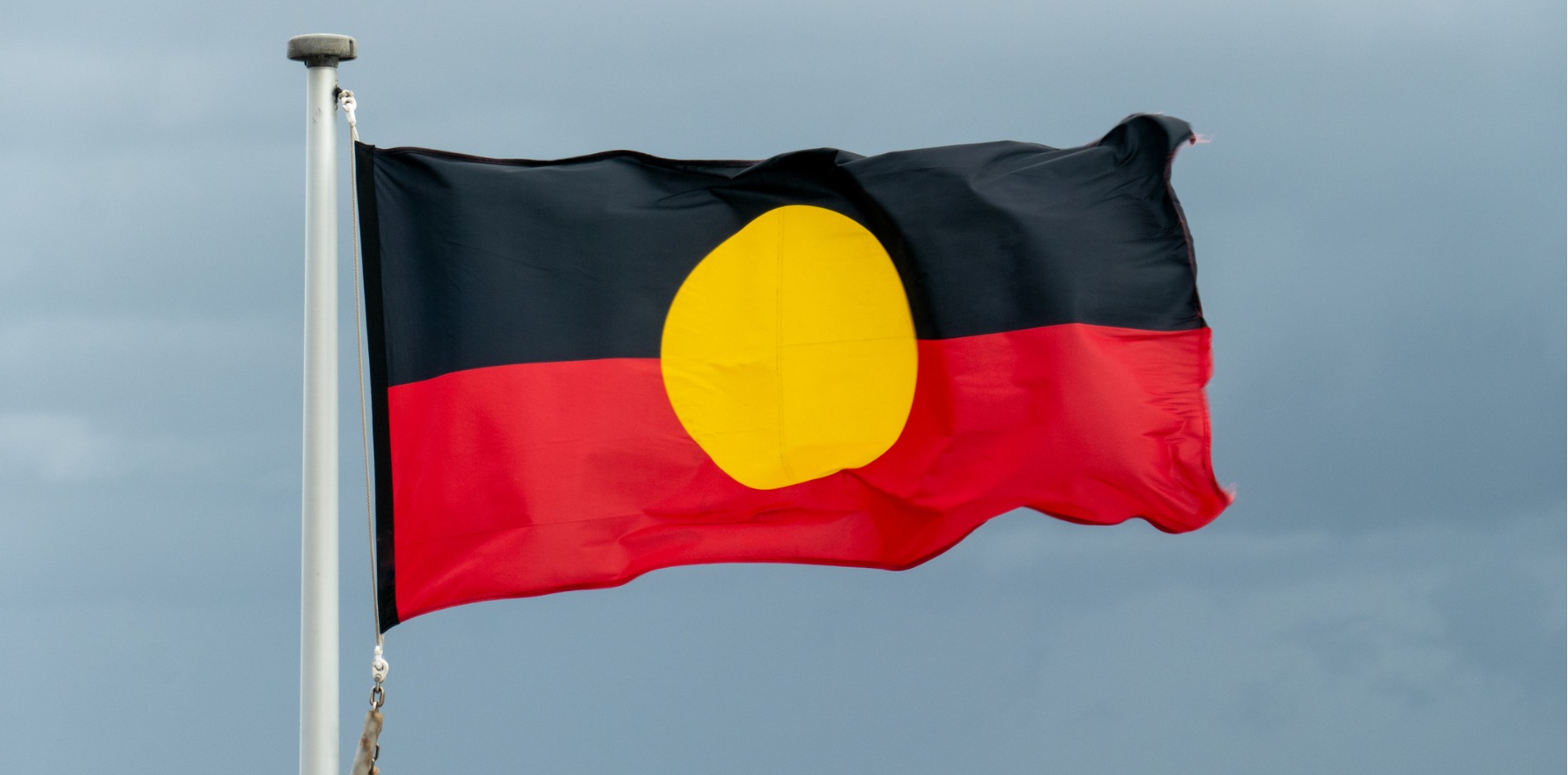
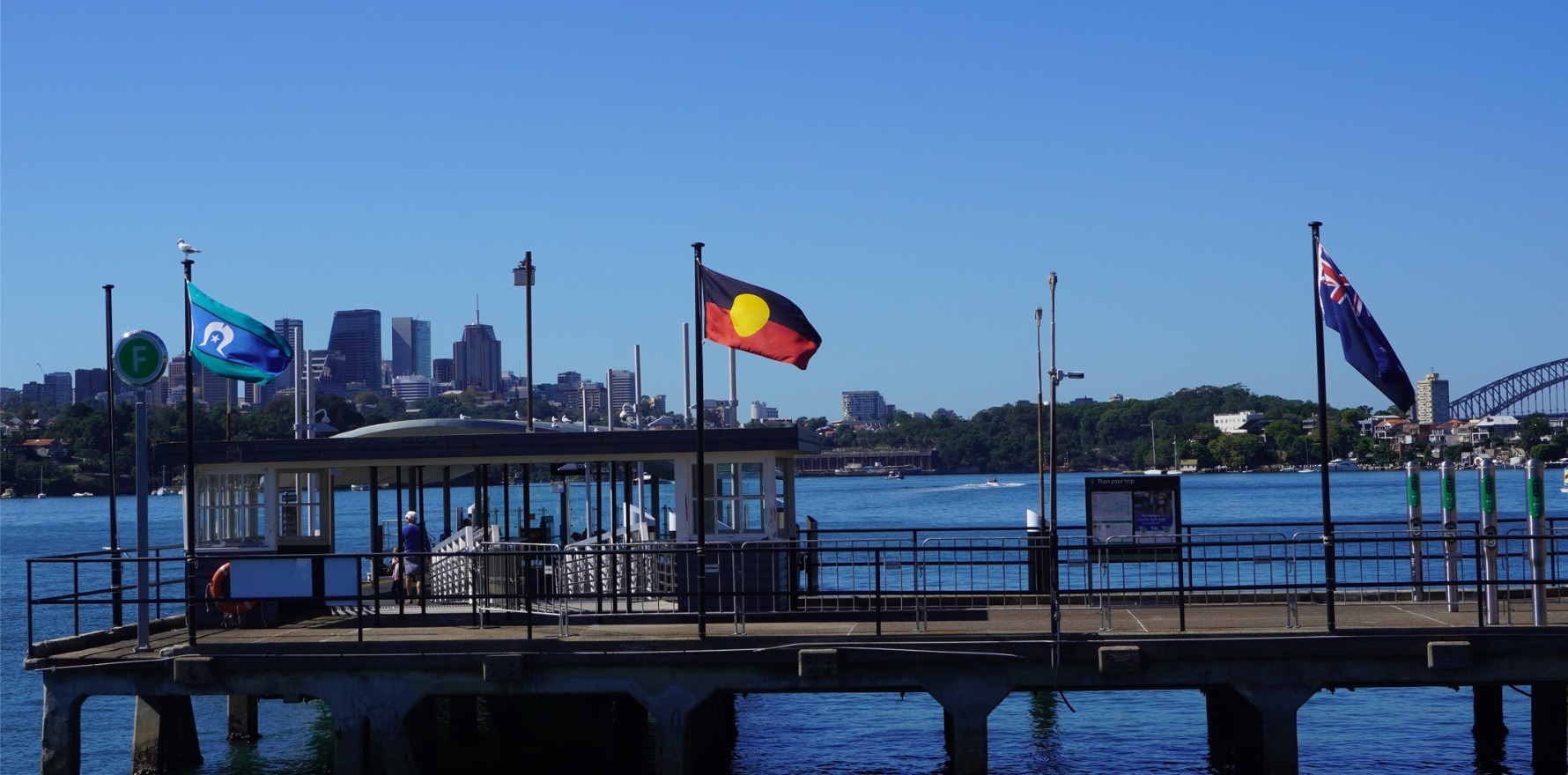
The AMA plan, which was formally endorsed by Reconciliation Australia, set out responsibilities, planned actions, and timelines across 15 different goals.
The goals included celebrating NAIDOC week, “demonstrat[ing] respect to Aboriginal and Torres Strait Islander peoples by observing cultural protocols” and increasing Aboriginal and Torres Strait Islander recruitment.
Some of the specific actions included reviewing HR policies to ensure inclusive recruitment practices, inviting past recipients of the AMA Indigenous medical scholarship to share their experiences and insights, and “developing tailored membership options and incentives that support recruitment and retention, professional connection, and leadership pathways”.
In her speech to the national conference, Dr McMullen recognised that the association asked its Aboriginal and Torres Strait Islander members to share their stories “more than most” and that it was an “unfair burden”.
“The AMA has had a long history; some of it dark, I expect, particularly with regard to Aboriginal and Torres Strait Islander health,” she said.
“But for many years we have tried to be standing with our Aboriginal and Torres Strait Islander colleagues and patients to advocate for better health outcomes for First Nations peoples.”
The reconciliation action plan will be available on the AMA website in coming weeks.
The 2026 AMA national conference was held at Pullman East Melbourne on 28 and 29 August.
