

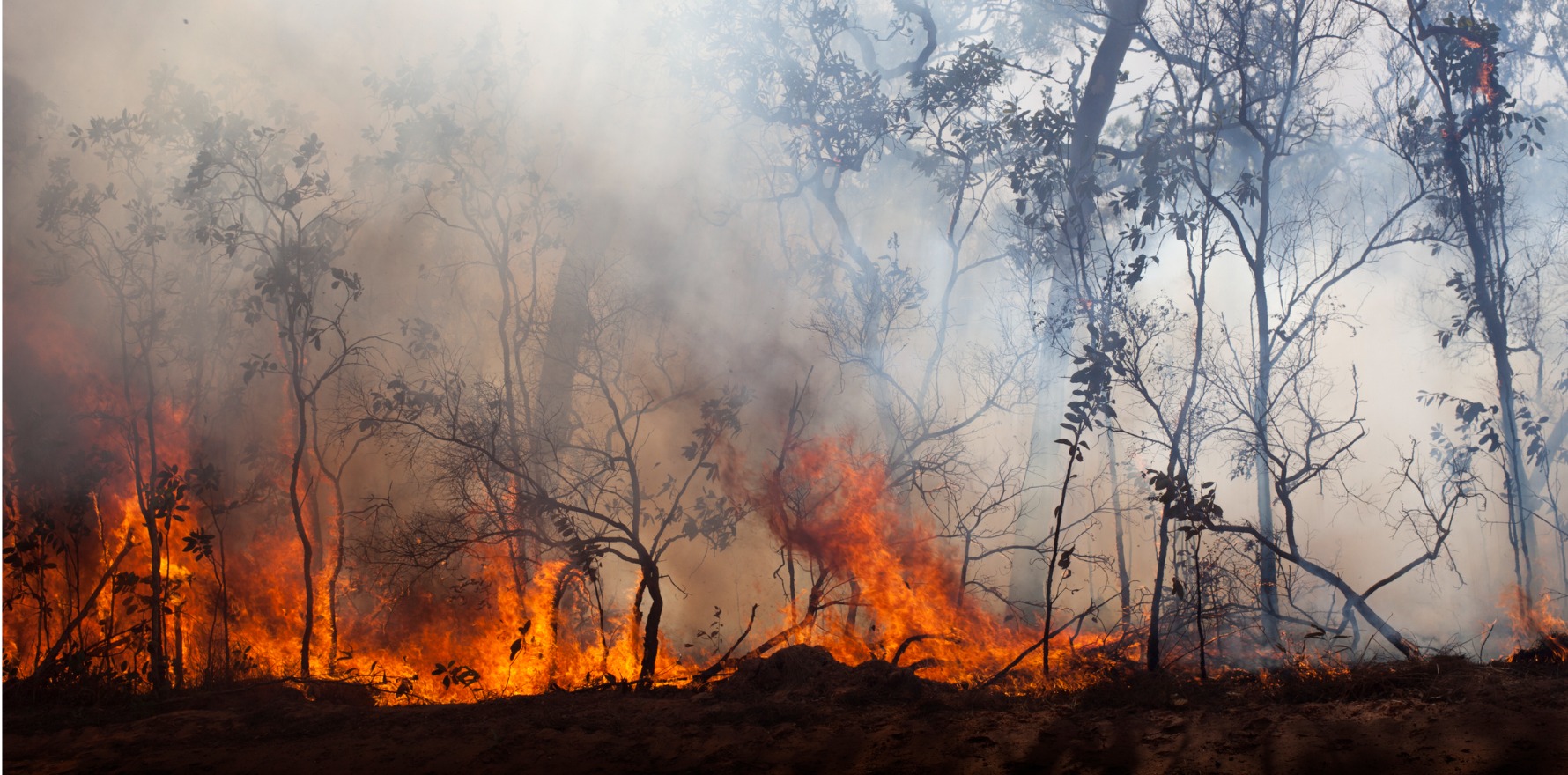
Bushfires in NSW have prompted emergency changes that show progress on the health sector’s responses to natural disasters.
With bushfire season already upon us, the health sector is making adjustments to compensate for natural disasters.
Emergency changes to prescription regulations have been issued, allowing patients living in the affected regions in NSW now able to access a limited supply of medications without a prescription.
This temporary change has been enacted to ease pressure on the health system by providing essential medicines for conditions such as diabetes, asthma and heart conditions.
“This is about making sure people can continue to access their essential medications during emergencies,” NSW Health Minister Ryan Park said.
“In unfolding events like bushfires, essential items such as prescriptions and medications may be lost or suddenly become inaccessible.
“If you find yourself in this situation, if you can, please contact Healthdirect on 1800 022 222, or speak to a pharmacist, to seek advice specific to your circumstances.
“If your medication is considered essential, pharmacists will be able to provide you with a full pack without a prescription to ensure you don’t run out during this extreme weather event.”

This came after NSW Health issued an authority under the Poisons and Therapeutic Goods legislation that commenced December 4 and will end on January 4 unless extended.
“I have spoken with many community members who have been left with only the clothes they were wearing after fleeing the devastating bushfire in the Koolewong community this past weekend,” Member for Gosford Liesl Tesch said.
“This Authority is about acting quickly to ensure that those impacted can access important medications without delay, easing the burden in a small but essential way during this devastating time.
“Thank you to all agencies who have come together to provide wraparound support to those impacted by the recent bushfire, standing behind our community when we need it most.”
ACRRM has also reiterated its focus on providing long-term support to areas repeatedly affected by natural disasters.
The emergency changes to prescribing regulations have also been welcomed by the rural GP college, which said that it opens the door for greater multi-disciplinary collaboration in times of crisis.
“It’s a very appropriate sort of recognition that that the burden is going to fall back on the primary care and general practice in those settings,” ACRRM president Dr Rod Martin told The Medical Republic.
“It’s a central approach, it’s not dissimilar to the provisions that are currently available for the pharmacist to re-dispense medications for which a patient’s got a good long history of having that medication before.
“Team leadership is going to be inundated, so it’s fantastic that all the other team members can come and help out and make sure that the load gets distributed evenly.”
