


Department of Veterans Affairs to pay GPs $99.30 to facilitate ‘proactive, continuous and coordinated care’.
GPs can now pocket a new $99.30 incentive for longer mental health consultations with veterans, as part of a push to improve long-term health outcomes.
GPs can co-bill the incentive with MBS items, including mental health treatment planning (MHTPs) or time-tiered consultation (20 minutes or more) for ongoing mental health support.
The incentive, which came into effect on 1 July, can be claimed up to four times annually, with at least one month required between services.
Veteran Access Payment (VAP) co-claiming arrangements will still apply – taking an MHTP consult, for instance, from $125.30 to a total of $233.40, including the VAP and new incentive.
RACGP rural chair professor Michael Clements, a GP and veteran, said he was “very pleased” with the incentive, noting the previous structure fell short of covering the time veteran MHTPs and reviews often required.
“For the standard veteran who does need a little bit of mental health support, maybe they need a mental health care plan, the GP is going to be able to dedicate [longer consults] to that,” he said.
For now, GPs can submit manual claims for multiple veterans simultaneously by completing a veteran mental health incentive payment claim form and emailing it to the DVA – online claiming won’t be available until late 2026.
No additional training is required for GPs to claim these incentives, but the DVA encouraged providers to complete training through the Veterans’ Health eLearning Platform (VETs HeLP).
Related
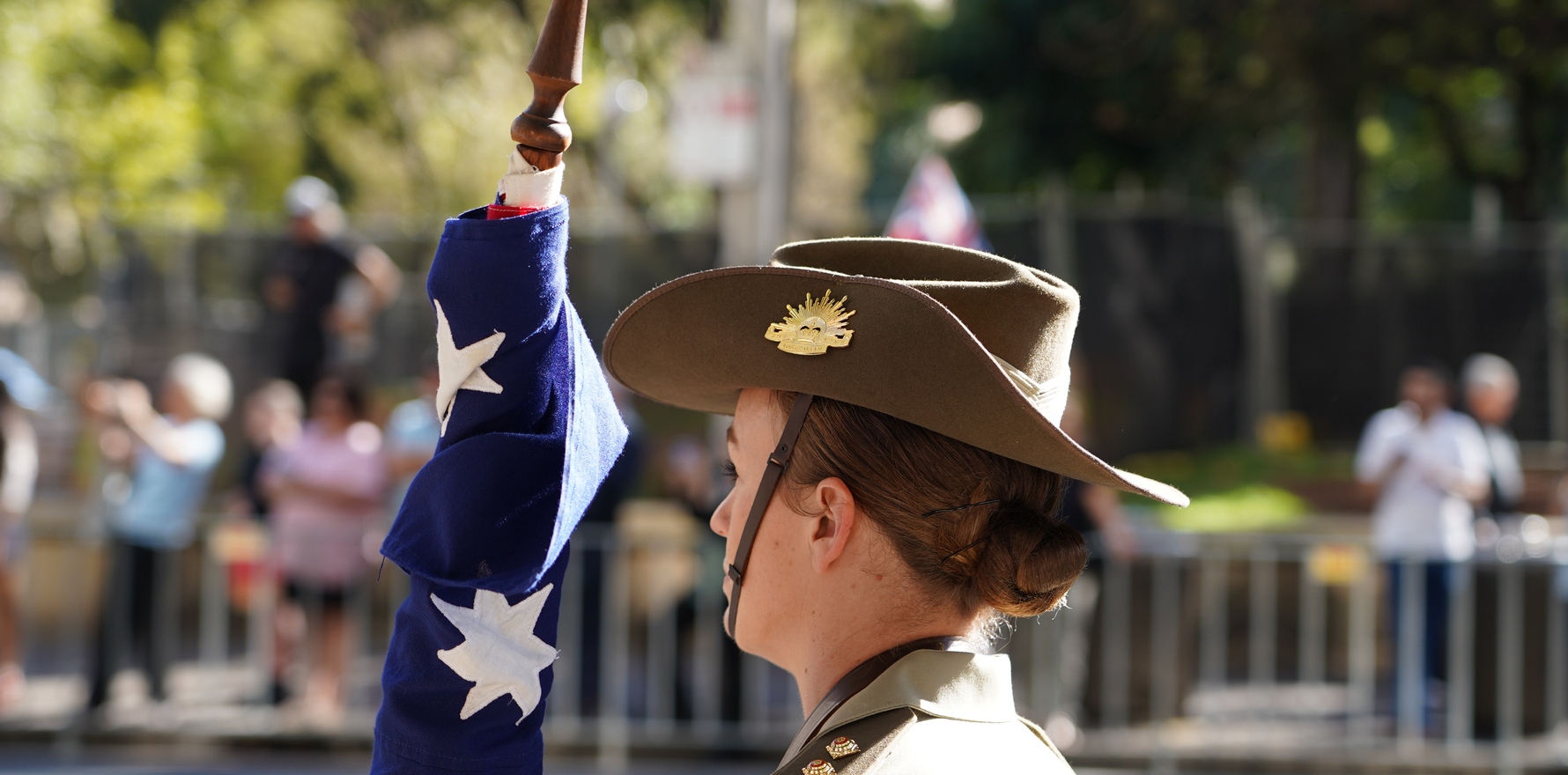


Professor Clements welcomed the rollout, though flagged early friction for GPs.
“They are coming to us with the codes that we can co-bill. So, some absolute clarity around co-billing is very much welcomed,” he said.
GPs may initially be confused by the MBS codes or hesitant to conduct longer consultations until all co-claiming items and descriptors are fully integrated into the software system, Professor Clements told The Medical Republic.
The DVA’s investment responds to recommendations from the Royal Commission into defence and veteran suicide and forms part of a $58.3 million investment over three years, followed by $21 million annually on an ongoing basis to strengthen GP-led veteran mental health care.
Under reforms to Better Access last November, key items for MHTP reviews and mental health consultations were axed and replaced with general attendance items.
“[This initiative] backs up what I’ve consistently seen from the DVA, which is a desire to support GPs in the provision of care to their patients,” Professor Clements said.
“I know that this is not the last we’re seeing from the DVA in terms of better supporting our veteran patients,” he said.
“It’s a bit of a myth that it’s the psychologists who do the bulk of mental health care for veterans. In fact, it’s done in the GP room over lots of conversations and often small interventions,” he told TMR.
Professor Clements told TMR that GPs have a clinical vantage point psychologists often don’t, particularly on how veterans’ mental and physical conditions compound.
“I know that when my patients have a flare in their pain or physical condition, that’s going to have a direct impact on their mental health as well,” he said.
Professor Clements said he also hoped the incentive would change how GPs engage with veterans more broadly.
“I’m hoping this means that [veterans] will see that GPs are more likely to engage with them and take them on, because veterans can be complex.
“But also, I’d expect the veterans would find that the GP makes an effort to actually book long appointments with them and dedicate the time to conducting a thorough mental health check and status review,” he said.
GPs participating in the rural enhancement initiative will receive an additional 10% loading on their rate, applicable in the following rural hospitals in NSW, Victoria, South Australia, and Western Australia.
