

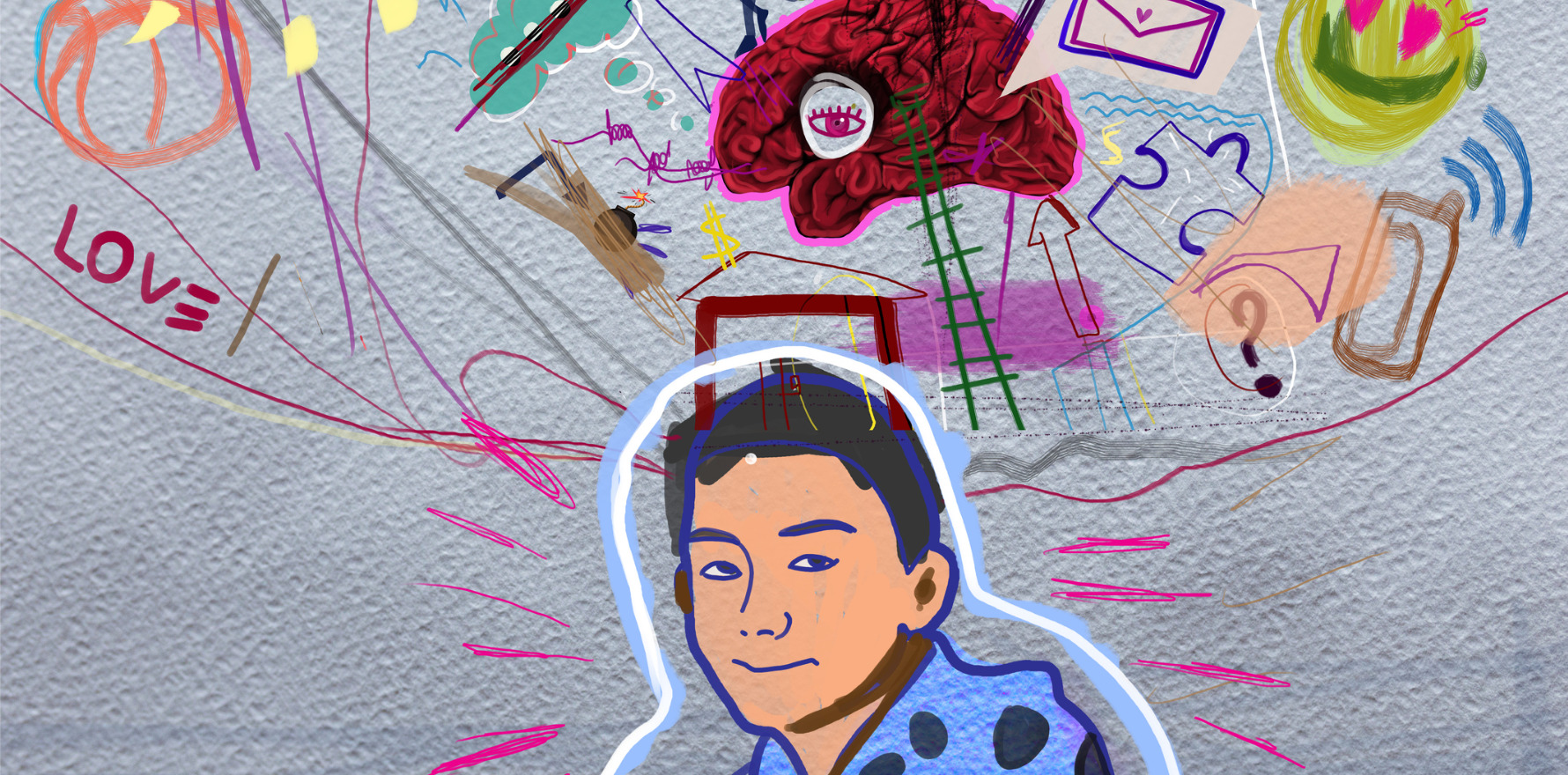
The guidance offers evidence-based advice on risk assessment, treatment and coordinated care as hospitalisations for intentional self-harm among young people continue to rise.
Australian clinicians now have the country’s first dedicated clinical practice guidelines to help identify and treat children and teenagers in acute mental health distress, as hospitalisations for youth self-harm continue to climb.
The guidance, developed with researchers and clinicians from the Murdoch Children’s Research Institute, The Royal Children’s Hospital and the University of Melbourne, aims to support healthcare professionals caring for patients aged up to 19 years who present with suicidal ideation or non-suicidal self-injury.
The Suicide and Non-suicidal Self-injury in Children and Adolescents: Evidence-based Clinical Practice Guideline is intended to support professionals, including both health and non-health professionals across healthcare, education and community settings to deliver safe, timely and developmentally appropriate support and care, informed by the best available evidence, and clinical and lived experience.
The 71 recommendations come after a systematic review found there was no specific clinical guidance tailored to younger people experiencing suicidal thoughts or self-harm.
Researchers analysed international guidelines and uncovered major gaps in evidence-based advice for child and adolescent mental health care.
MCRI researcher Sydney Stevens said the absence of targeted advice had been surprising.
“We reviewed over 120 international guidelines, and we assessed them against standardised criteria for development and found a lot of them either didn’t report their methods of development or weren’t developed with evidence,” she told The Medical Republic.
“We found some pretty significant gaps in child adolescent mental health.”
She said the guidelines were developed with input from young people who had lived experience of suicidal ideation, self-harm or hospitalisation.
She said involving young people was essential to ensure the guidelines reflected real-world care and would help curb the national rise in hospitalisations among young people for intentional self-harm.
“From the beginning, it was critical we listened to young people who had experiences of suicidal ideation and self-harm in order to bridge the gap between evidence and real-world application,” she said.
“We wanted to understand where systems have caused harm, where care has fallen short and how services must change to better support vulnerable young people. These guidelines offer a range of practical and responsive recommendations that can be disseminated and used to improve care.”
The guidelines include a broad set of evidence-based recommendations designed for GPs, emergency clinicians and specialists.
“We found that support people, including parents, carers and other trusted adults in a young person’s life, are really important for recovery, so including those people in conversations where appropriate is key,” she said.
Ms Stevens said healthcare providers should actively involve those support people where appropriate.
The guidance also stresses the importance of clear and direct communication about suicide and self-harm.
Clinicians are encouraged to ask young people about suicidal thoughts using unambiguous language, challenging the long-standing misconception that talking about suicide may encourage the behaviour.
Related
Another major focus is coordinated care. GPs are often the first point of contact for young people experiencing mental health problems, yet communication gaps between primary care and specialists can disrupt treatment.
“We found that GPs are often the first point of call when people seek help for mental health issues,” Ms Stevens told TMR.
“It’s important that GPs communicate as well as they can with specialists, and that specialists continue to communicate with GPs, because GPs often remain a trusted person in a young person’s life and help organise and lead that care.”
The guidelines recommend that risk assessments consider a young person’s circumstances, social environment and support network rather than relying on rigid scoring tools. They also encourage earlier intervention in community settings such as schools or primary care clinics to prevent crises escalating to hospital emergency departments.
Medication guidance forms another key component. The recommendations caution against prescribing drugs specifically to treat self-harm or suicidal behaviour, noting that some medications can increase suicidal thoughts in younger patients.
Instead, medication should be used to treat underlying conditions such as depression or anxiety, alongside careful monitoring and clear education for young people and families about risks and side effects.
Ms Stevens said while the guide represented a positive step forward, no single resource, service or treatment could address the challenges of youth suicide prevention alone.
“Organisations, policy makers, clinicians and consumers must work together to improve our whole system of care,” she said.
“This new document is the next step towards an evidence-informed system that listens to children and families and works collectively to prevent harm and support recovery.”
Read the full guideline here.
If this article has raised issues for you, or if you’re concerned about someone you know, call Lifeline on 13 11 14.
