

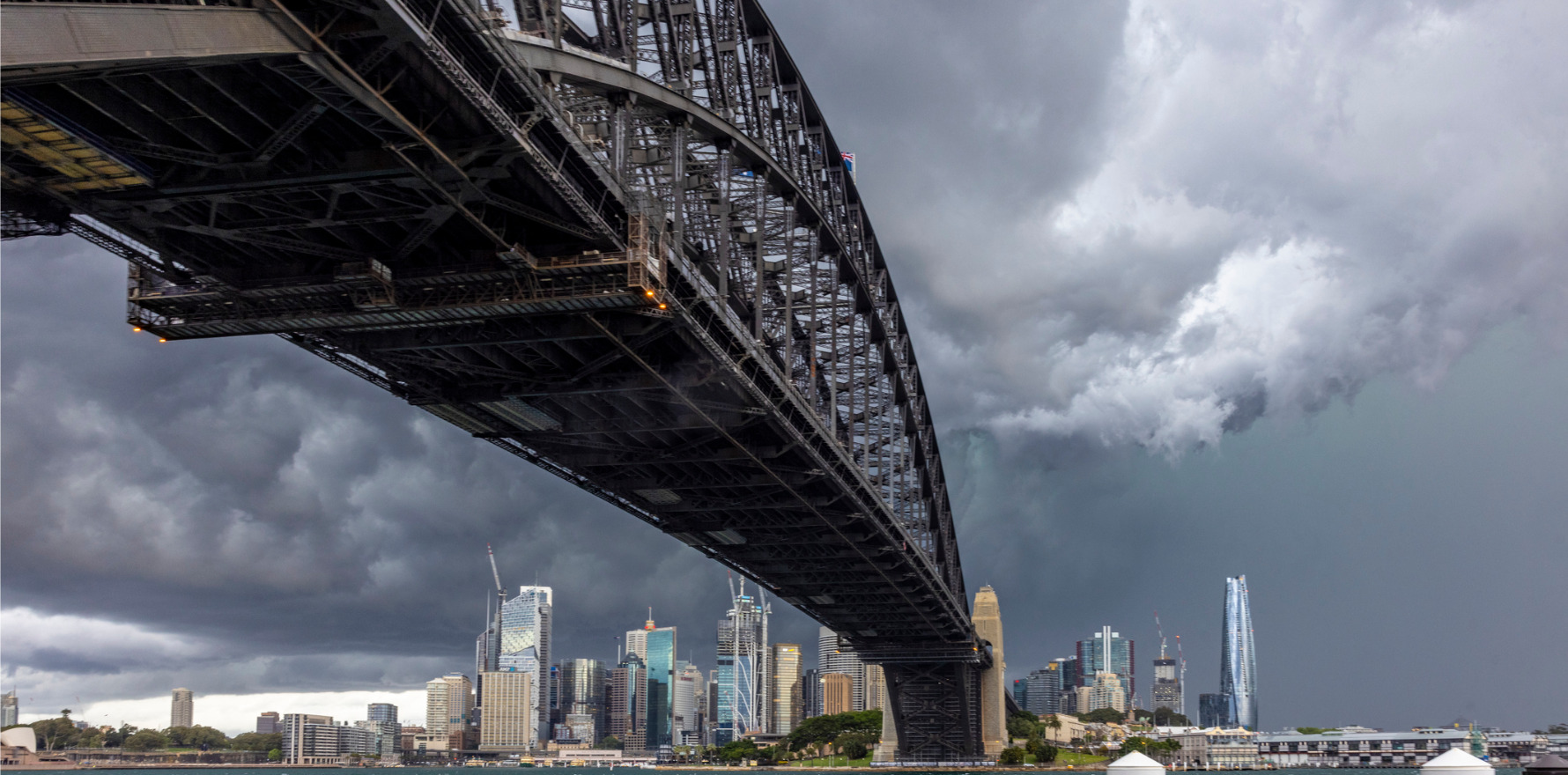
The peak risk season has arrived as pollen levels rise and storm activity increases.
New South Wales Health authorities have issued a health alert to clinicians and the community about the risk of thunderstorm asthma, particularly between October and December, when pollen counts peak and storm activity increases.
Thunderstorm asthma occurs when storm conditions interact with high pollen levels, causing pollen grains, particularly rye grass pollen, to rupture into smaller fragments that can be inhaled deeply into the lungs.
This can trigger sudden and severe asthma symptoms, even in individuals without a prior asthma diagnosis but who are affected by hay fever or other allergic conditions.
NSW Health senior staff specialist in Allergy and Clinical Immunology, Professor Connie Katelaris, said that thunderstorm asthma required very specific conditions to occur together.
“We do know that specific thunderstorm conditions related to moisture and airflow can increase people’s exposure to high concentrations of very small fragments of pollen,” she said.
“This exposure can trigger symptoms wheeze, chest tightness, breathing difficulty and cough. Symptoms can escalate very quickly and may become life threatening.”
In NSW, high levels of rye grass pollen appear to be associated with thunderstorm asthma in some areas.
“Anyone with diagnosed asthma should continue to use their preventor and have access to their reliever medication during this high-risk period,” Professor Katelaris said.
“Even if you don’t have asthma, pollen is at its highest throughout spring and may spark problems in people with allergies like hay fever or those who have undiagnosed asthma.”
Thunderstorm asthma events can occur anywhere where there are both high pollen levels and thunderstorms. The greatest risk of thunderstorm asthma is in areas across southern NSW and the Riverina, but events have been recorded west of the dividing range from Tamworth to Albury.
Residents in the Riverina area can register for an automated notification system which notifies registered residents by SMS or email of high thunderstorm asthma risk in the area.
NSW Health listed some steps to prepare for the season, including:
- Ensure patients who have ever been diagnosed with asthma or have hay fever have an up-to-date action plan in place, including how to manage symptoms if they flare-up.
- For children with asthma, any updated asthma action plans should also be provided to the child’s preschool, childcare centre or school.
- Check that asthma reliever medication and spacer are up-to-date and stored in an easily accessible spot.
- Know the warning signs of asthma like wheezing, breathlessness, feeling tight in the chest or persistent cough and when to seek advice from your doctor or urgent emergency care
- When there are high pollen and a thunderstorm, where possible remain inside and keep windows and doors closed.
Victoria’s Department of Health has also updated its resources for health professionals in relation to epidemic thunderstorm asthma.
Health professionals can access epidemic thunderstorm asthma training programs and resources, including a thunderstorm asthma flowchart for pharmacists, and a resource for emergency departments and urgent care centres to facilitate self-assessment and gap analysis of preparedness for an epidemic thunderstorm asthma event.
Additional resources are also available from the National Asthma Council.
